
7 Warning Signs of Hidden Water Damage in New Orleans Homes
New Orleans homeowners face a water damage risk unlike anywhere else in the country. Here’s how to catch hidden leaks and moisture problems before they become costly disasters — with expert guidance from local certified restoration specialists.
If you’ve lived in New Orleans, Metairie, Lakeview, or Gentilly for any length of time, you already know that water is a constant companion — and not always a welcome one. With over 60 inches of annual rainfall, hurricane seasons that routinely test the limits of local drainage infrastructure, and a housing stock where many homes were built 50 to 100 years ago, hidden water damage is one of the most common and most costly problems facing local property owners today.
The challenge isn’t always a burst pipe or a flooded living room. Those are obvious. The real danger is the slow, invisible water intrusion that happens behind your walls, beneath your floors, and inside your ceiling cavities — damage that can go undetected for months or even years before it surfaces as a structural problem, a mold outbreak, or a six-figure repair bill.
At Restoration New Orleans, our IICRC-certified technicians respond to water damage calls across the Greater New Orleans area every day. Over the years, we’ve seen the same patterns repeat: homeowners who noticed something small and ignored it — only to discover far larger problems hidden underneath. This guide is designed to help you recognize those early warning signs before the damage spreads.
Why Hidden Water Damage Is Especially Dangerous in New Orleans
Most cities deal with water damage. New Orleans deals with it on a different level entirely. The city’s position — largely below sea level, bordered by Lake Pontchartrain, and crossed by the Mississippi River — creates moisture conditions that don’t exist in most other American cities. Combine that with the warm, humid subtropical climate, and you have an environment where water damage doesn’t just happen — it accelerates.
In a drier climate, a slow roof leak might take a year to cause visible damage. In New Orleans, the same leak can produce mold growth within 24 to 48 hours, cause wood rot within weeks, and spread through wall cavities within months — all without any obvious signs on the surface. That’s the defining danger of hidden water leaks in this environment: by the time you see something, the real damage is already done.
Older homes throughout Central City, Tremé, Carrollton, and the Lower Garden District were built with materials that absorb moisture readily. Plaster walls, wooden subfloors, and older plumbing systems that were never designed for today’s humidity levels create structural vulnerabilities that are invisible until they fail. And when they fail, the repair costs can be significant — often many times what early intervention would have cost.
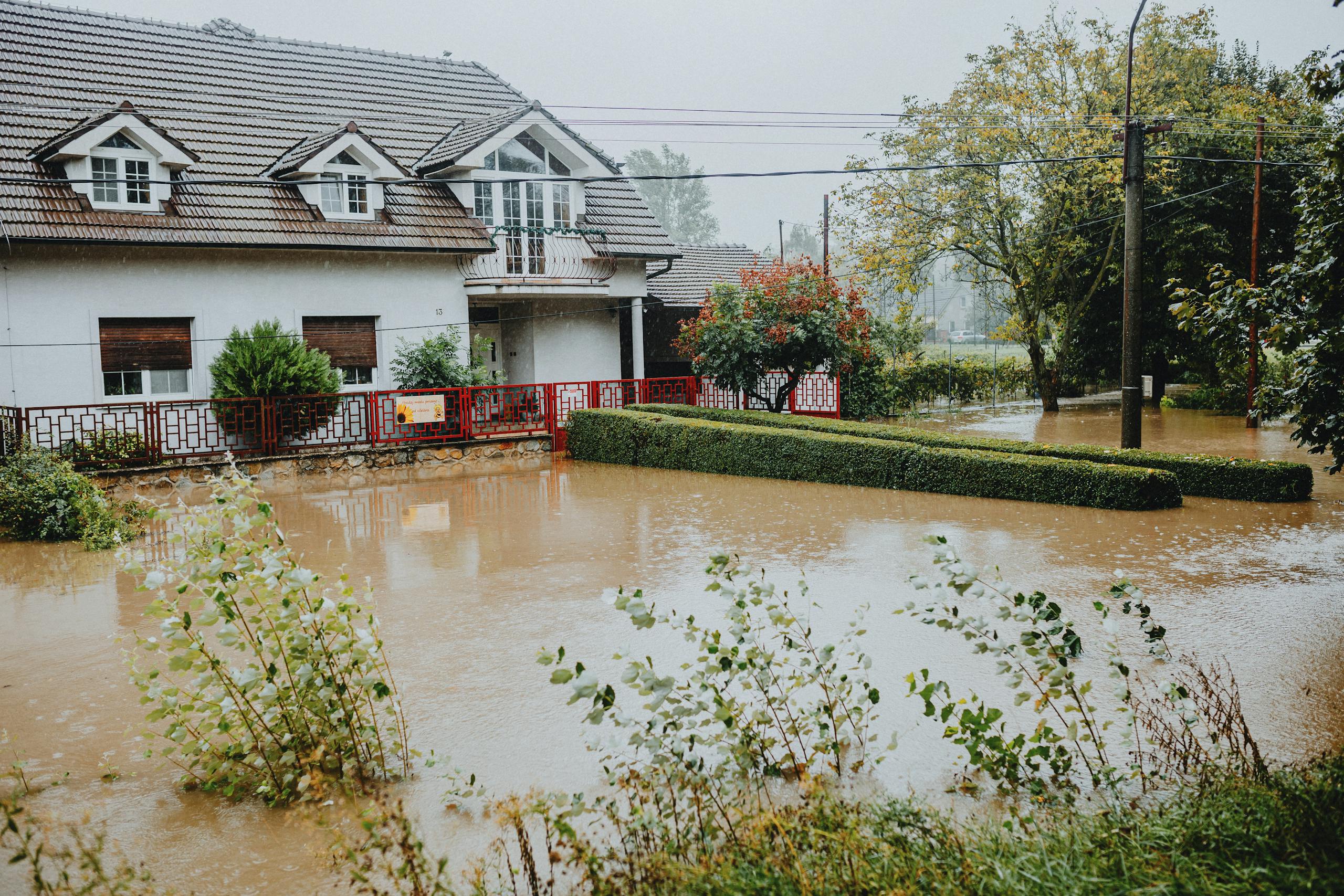
The 7 Warning Signs of Hidden Water Damage
These are the seven most common indicators our certified restoration team identifies during water damage inspections across Greater New Orleans. Some are visible. Some you’ll smell before you see. All of them deserve immediate attention.
Unexplained Increases in Your Water Bill
⚡ High Risk — Act ImmediatelyYour water usage hasn’t changed. You haven’t added any appliances or landscaping. But your monthly bill is climbing — and nobody in your household can explain why. This is one of the most reliable early indicators of a hidden water leak somewhere in your plumbing system.
In New Orleans homes, the most common culprits are slow slab leaks underneath concrete foundations, deteriorating supply lines behind walls, and aging toilet flappers that run continuously. A pinhole leak in a copper supply line — common in homes built between the 1950s and 1980s — can lose hundreds of gallons of water per week into your wall cavities without producing any visible sign on the surface.
If your water bill has increased by 15% or more without explanation, don’t assume it’s a billing error. Call a plumber to test your system — and consider a professional water damage inspection to check for moisture accumulation in hidden areas.
Musty or Earthy Odors That Won’t Go Away
🦠 Mold Risk — Inspect NowA persistent musty smell is one of the clearest indicators of hidden moisture — and in New Orleans’ climate, it often means mold is already actively growing somewhere in your structure. The smell may be strongest in specific rooms, near certain walls, or in enclosed spaces like closets, crawl spaces, and utility rooms.
Many homeowners mask the odor with air fresheners, candles, or dehumidifiers and assume the problem is resolved. It never is. Mold growing inside wall cavities, beneath flooring, or in your HVAC system produces musty odors that travel through your entire home — and the source is always a moisture problem that hasn’t been addressed.
In New Orleans, mold can begin growing within 24 to 48 hours of any water intrusion event — including events as minor as a slow drip from an upstairs bathroom or a small gap in window flashing. By the time the odor becomes noticeable, colonies are typically already established and spreading.
Stains, Discoloration, or Bubbling on Ceilings and Walls
💧 Active Moisture — Immediate InspectionYellow or brown stains on your ceiling. Bubbling or peeling paint on interior walls. Discoloration around window frames or baseboards. These visual changes are almost always caused by water — either currently active or from a past intrusion that was never properly dried and treated.
In New Orleans older homes, the pattern is familiar: a roof leak during a summer storm creates a small ceiling stain that appears to dry out and stop. The homeowner paints over it. The next storm season, the leak returns — and beneath the fresh paint, the original moisture damage has spread further through the structure, potentially fostering mold growth in the ceiling cavity above.
Bubbling paint on walls near plumbing fixtures — bathrooms, kitchens, and laundry rooms — almost always indicates moisture behind the surface, either from a leaking pipe, a failing tile grout seal, or condensation accumulation from a nearby HVAC line. In any of these cases, the surface appearance is the smallest part of the problem.
Warping, Buckling, or Soft Spots in Floors
🏚️ Structural Risk — Do Not DelayIf your hardwood floors have developed a slight hump, your vinyl flooring is peeling at the seams, or you feel soft spots when you walk across certain areas — water has almost certainly reached your subfloor. This is one of the more serious warning signs because by the time you feel it underfoot, significant moisture absorption has already occurred.
In New Orleans, this problem is especially common in properties that experienced flooding — even minor flooding — without complete professional drying. Many homeowners cleaned up visible water and considered the matter resolved, without realizing that moisture had saturated the subfloor, the floor joists, and in some cases the sill plates at the base of the wall system.
Soft spots in flooring near bathrooms, kitchens, and wet bars almost always indicate subfloor damage from a slow leak beneath the fixture — often from a wax ring failure around a toilet, a leaking supply line connection, or a dishwasher or refrigerator drain line that has been dripping slowly for months.
Visible Mold Growth — No Matter How Small
🦠 Health Risk — Professional Remediation RequiredIf you see mold — even a small patch in a corner, on a baseboard, or around a window frame — you are almost certainly looking at the surface indication of a much larger colony growing behind walls, under floors, or in ceiling cavities. Mold does not grow in small isolated patches on the surface of a dry home. Its presence always indicates ongoing or historic moisture.
In Greater New Orleans, the combination of warm temperatures and high humidity creates conditions where mold can grow year-round — not just after flooding events. A shower that isn’t properly ventilated, a bathroom exhaust fan that vents into an attic instead of outside, or a slow drip behind a kitchen cabinet can all create enough sustained moisture to support active mold growth in as little as 48 hours.
Consumer cleaning products — bleach, vinegar, commercial mold sprays — do not penetrate porous building materials. They kill mold on the surface temporarily while leaving roots intact inside drywall, wood framing, and insulation. Professional mold remediation is the only solution that addresses both the visible growth and the underlying moisture source.
Rust Stains, Corrosion, or Mineral Deposits Around Fixtures
🔩 Pipe Failure Risk — Inspect SoonRust-colored stains beneath sink cabinets, around pipe connections, or on the wall behind your water heater are visible evidence of slow, consistent moisture. In New Orleans, where older homes often still have cast iron or galvanized steel plumbing systems, surface rust around pipe connections is a serious warning sign that the underlying material is actively corroding — and that water has been present long enough to oxidize exposed metal.
Mineral deposits — white or grey crusty buildups around faucet bases, supply line connections, and valve stems — indicate that water has been seeping slowly and evaporating repeatedly over a long period, leaving behind dissolved minerals with each cycle. These deposits confirm that a slow leak has been active for an extended time, often longer than the homeowner realizes.
Homes throughout the French Quarter, Mid-City, and Central City with original cast iron plumbing — some dating to the early 20th century — should be considered high priority for professional plumbing inspection if any surface rust or corrosion is observed. Cast iron drain lines in particular are prone to crack and collapse internally, creating slow leaks inside walls that may not surface for months.
Sounds of Running Water When Nothing Is On
⚡ Active Leak — Call ImmediatelyIf you hear the sound of dripping, trickling, or running water when all fixtures are turned off and no appliances are running — there is almost certainly an active leak somewhere in your plumbing system. This sound may be faint and intermittent, or it may be louder and continuous. Either way, it should be treated as an emergency until identified.
The most common sources of these sounds in New Orleans homes include slab leaks (water running under your concrete foundation), pipe leaks inside wall cavities, and running toilet fill valves that never fully stop after flushing. Slab leaks are particularly common in older homes throughout Metairie, Kenner, and the east bank of New Orleans, where copper supply lines installed decades ago have begun to corrode and pinhole.
A simple way to confirm an active leak: turn off all water-using fixtures and appliances, then check your water meter. If the meter dial is still moving, water is flowing somewhere in your system — and it is not going where it should be going.
Quick Reference: Hidden Water Damage Warning Signs
Use this table as a homeowner checklist. If you identify three or more of these signs in your property, a professional water damage inspection is strongly recommended — regardless of whether you currently see visible water damage.
| # | Warning Sign | Common Location | Risk Level | Likely Cause |
|---|---|---|---|---|
| 1 | Unexplained water bill increase | Entire property | High | Hidden pipe leak, slab leak, running toilet |
| 2 | Persistent musty or moldy odor | Walls, closets, crawl spaces | High | Active mold growth from hidden moisture |
| 3 | Stains, discoloration, or bubbling on surfaces | Ceilings, walls, around windows | High | Active or historic water intrusion |
| 4 | Warping, buckling, or soft spots in floors | Subfloor, near wet areas | High | Subfloor saturation, fixture leaks |
| 5 | Visible mold growth — any size | Corners, baseboards, window frames | Critical | Ongoing or historic moisture intrusion |
| 6 | Rust, corrosion, or mineral deposits | Under sinks, around water heater | Medium–High | Slow long-term leak, aging plumbing |
| 7 | Sounds of running water when nothing is on | Walls, floors, foundation | High | Active pipe leak or slab leak |
Emergency Prevention Tips for New Orleans Homeowners
Knowing the warning signs is the first step. Taking action to prevent hidden water damage from developing is the second. These are the most effective prevention measures for local properties — tailored to New Orleans’ specific climate and housing conditions.
Schedule Annual Water Damage Inspections
Professional moisture inspections using thermal imaging and moisture meters identify hidden problems before they become emergencies. For New Orleans properties, once per year is the minimum — twice yearly for older homes or properties with prior flood history.
Inspect Your Roof Before and After Hurricane Season
June through November is peak risk. A professional roof inspection before the season starts — and after any significant storm — can identify small flashing gaps, cracked shingles, and failed sealants before they allow water infiltration during the next heavy rain.
Regrout and Reseal Bathroom Tile Annually
In New Orleans’ humid climate, tile grout and caulk around showers, tubs, and bathroom floors deteriorate faster than in drier regions. Resealing annually prevents water from penetrating behind tile surfaces — one of the most common hidden moisture sources in local homes.
Monitor Your Water Bill Monthly
Track your monthly water usage and compare month-over-month. A sudden unexplained increase — even a small one — is an early warning that deserves investigation. Many utility providers offer online usage dashboards that make this easy to monitor in real time.
Install Water Leak Sensors in High-Risk Areas
Smart leak detectors placed under sinks, near water heaters, behind washing machines, and in crawl spaces provide early warning of water accumulation — often before any visible sign appears. Basic units cost under $30 and can prevent thousands of dollars in hidden damage.
Inspect Crawl Spaces and Attics Twice Yearly
Two of the most common locations for hidden water damage in New Orleans homes are the spaces homeowners visit least. Attic inspections can catch roof leak infiltration early. Crawl space inspections identify subfloor moisture, plumbing leaks, and foundation drainage issues before they cause structural damage.
What to Do If You Find Signs of Hidden Water Damage
Finding one or more of these warning signs in your home does not mean the situation is out of control — but it does mean you need to act quickly. Here is the recommended sequence of action for New Orleans homeowners who suspect hidden water damage:
- Do not ignore the sign or wait to see if it gets worse. Water damage always worsens over time — it does not resolve itself.
- Document what you’ve seen with photos and note the date. This documentation is valuable for insurance purposes.
- Turn off water to the affected area if you believe a plumbing leak is active — your main shut-off valve is typically located near your water meter.
- Do not attempt to remove visible mold with household cleaners. This can disturb spores and spread contamination throughout your home.
- Call a certified water damage restoration professional for an inspection before undertaking any repairs. Professional moisture mapping identifies the full scope of hidden damage before work begins.
- Contact your homeowner’s insurance provider to document the situation — many policies cover sudden and accidental water damage, and early documentation strengthens your claim.
Our team at Restoration New Orleans provides free initial assessments and on-site inspections across the Greater New Orleans area. We carry full moisture detection equipment, provide written estimates before any work begins, and document every project with complete photo records to support insurance claims.
Frequently Asked Questions — Hidden Water Damage in New Orleans
The Bottom Line for New Orleans Homeowners
Hidden water damage is the most expensive problem you can ignore. In a city where the climate, the age of the housing stock, and the frequency of weather events conspire to create moisture problems year-round, early detection is not just smart — it is essential for protecting your home, your family’s health, and your property’s long-term value.
The seven warning signs in this guide — rising water bills, persistent odors, surface staining, floor changes, visible mold, rust and corrosion, and sounds of running water — are your home’s way of telling you that something is wrong beneath the surface. Listen to them. Act on them quickly. The cost of early intervention is always a fraction of the cost of delayed restoration.
If you have noticed any of these signs in your New Orleans, Metairie, Lakeview, Gentilly, or surrounding area home, contact Restoration New Orleans today. Our IICRC-certified team provides free on-site assessments, complete moisture mapping, and written estimates before any work begins — with 24/7 emergency availability for active water damage events.
Don’t Wait for Hidden Water Damage to Become a Disaster
If you’ve noticed any of the warning signs in this guide — or simply want peace of mind about your New Orleans home — our IICRC-certified team is ready to help. Free inspections. Written estimates. 24/7 availability across Greater New Orleans.