“Black mold” is the phrase that makes a homeowner’s stomach drop. A dark patch creeping along the bathroom ceiling, a musty corner behind the washing machine — once you see it, the questions start: Is it dangerous? Can I clean it myself? What is this going to cost?
The answers matter, because New Orleans homes deal with this more than most. Subtropical humidity, long cooling seasons, and a history of storms and flooding keep local homes damp for much of the year. And this weekend’s first real cold front brought cool, dry air — which is exactly when homeowners start opening closets and crawl spaces they have not checked in months, and find surprises.
What “Black Mold” Actually Is
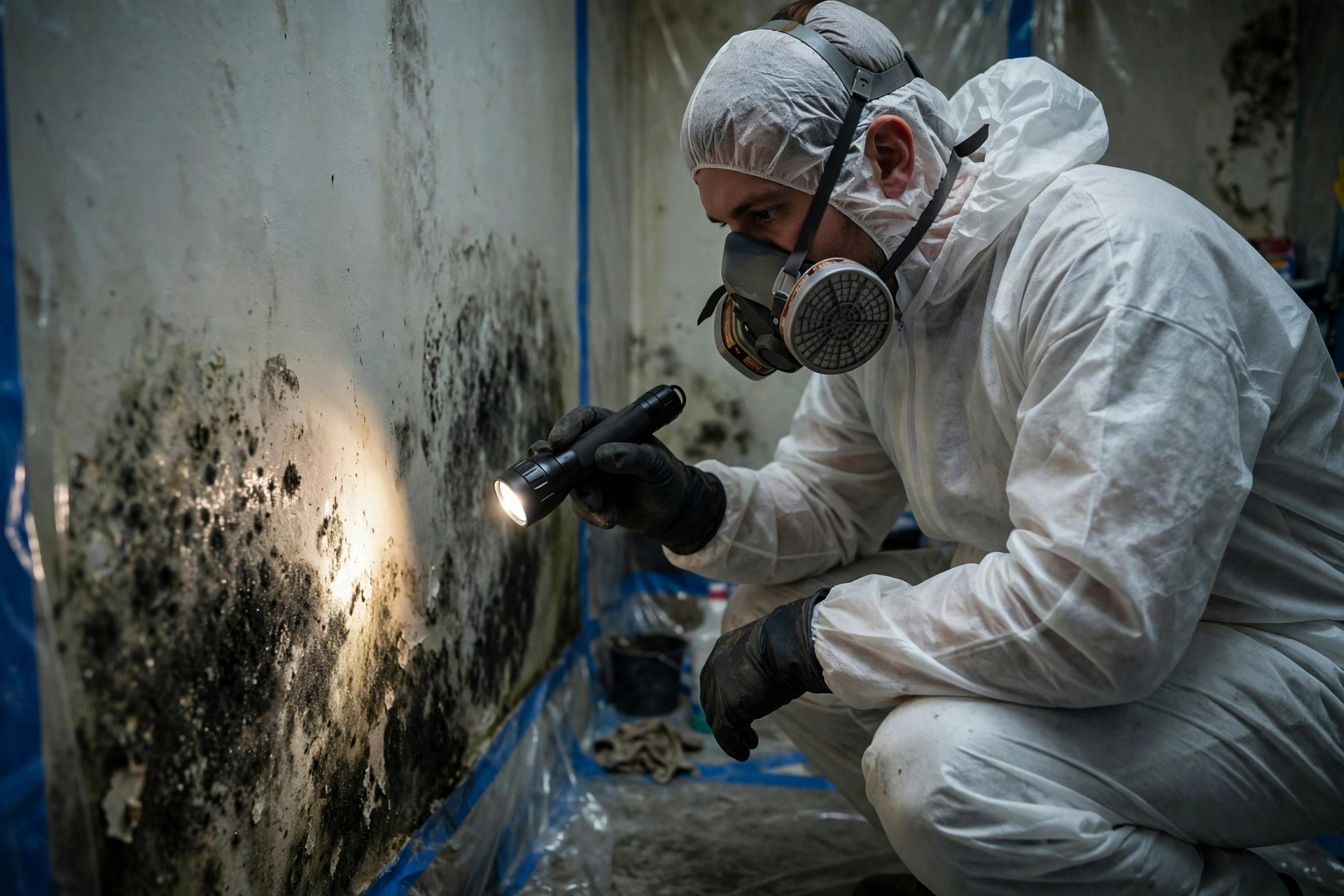
The term usually means Stachybotrys chartarum, a dark greenish-black mold that grows on cellulose-rich materials — drywall, wood, paper — wherever moisture lingers. But many dark molds are not Stachybotrys, and color alone cannot identify a species.
What matters more than the species is what mold needs: moisture, a food source, and time. In New Orleans that usually means a slow plumbing leak, a dripping AC condensation line, poor bathroom ventilation, or damp left behind after a storm. Fix the moisture and the growth stops; skip that step and everything else is temporary.
Why New Orleans Homes Face More of It
Local conditions stack the deck: year-round humidity, HVAC systems running nearly year-round (which creates condensation around ducts and drain lines), older housing stock with aged materials that hold moisture, and hidden dampness inside walls from past storms and flash flooding. Mold often starts where a homeowner never looks — until the smell gives it away.
Signs It May Be Growing in Your Home
- Visible dark patches — dark green or black, sometimes slimy or fuzzy — on walls, ceilings, or around windows and vents.
- A persistent musty odor that cleaning does not fix. Our musty smell guide covers the six most common sources in local homes.
- Water stains or a history of leaks — even old ones. Growth often hides on the back side of drywall, where a stain is the only clue.
- Allergy-like symptoms that ease when you leave the house — sneezing, congestion, itchy eyes. That pattern points to something in the indoor air.
- The usual hiding places: weak-ventilation bathrooms, under sinks, around AC vents, basements, and crawl spaces. See our full rundown of mold hiding spots.
Health Risks Worth Taking Seriously
Most molds — black or otherwise — can trigger allergic reactions and respiratory irritation in sensitive people. Children, older adults, and anyone with asthma, allergies, or a weakened immune system tend to feel it first. If household members have unexplained symptoms that improve away from home, talk to a doctor about environmental causes.
Keep perspective: not every dark patch is the infamous “toxic black mold,” so panic is unwarranted — but ignoring visible growth is not an option either. Mold never improves on its own, and colonies spread while you wait.
What DIY Mold Removal Gets Wrong
Small, contained patches on hard, non-porous surfaces — a few square feet on tile or glass — are fine to handle yourself with gloves, eye protection, a respirator mask, detergent, and thorough drying. Beyond that, the usual mistakes make things worse:
- Reaching for the bleach. Bleach lightens surface color but does not kill roots inside porous materials like drywall or wood — and it adds moisture, the last thing a mold problem needs.
- Painting over it. Mold grows straight through paint. The stain comes back, usually worse.
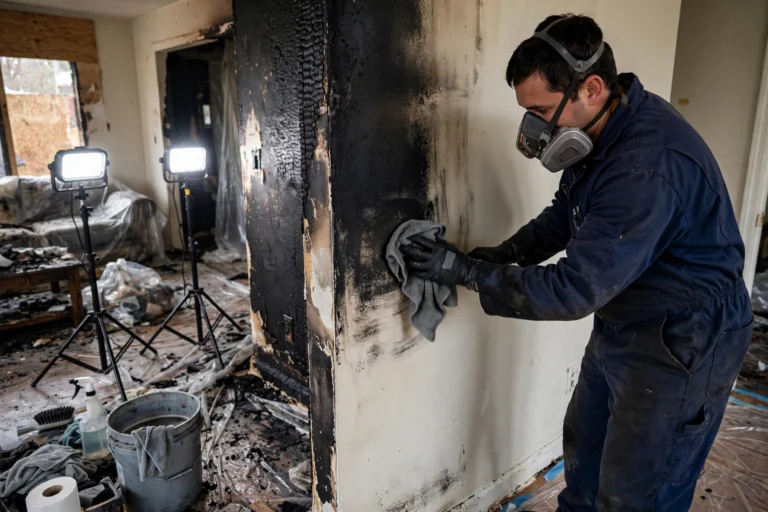
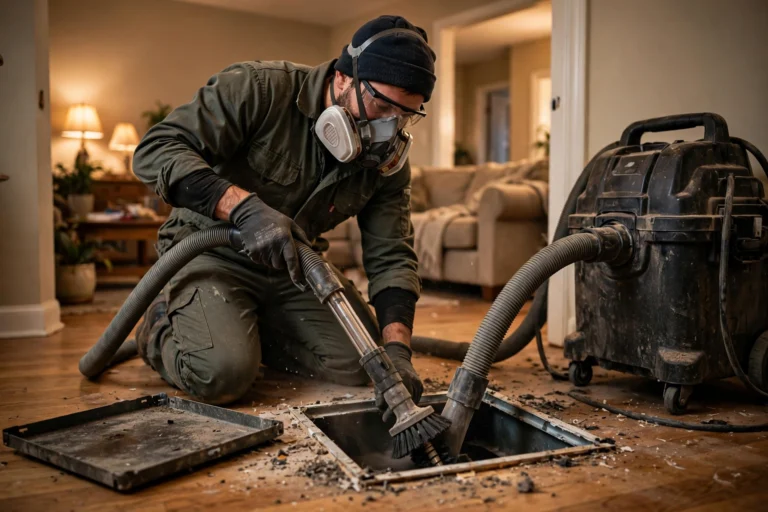
- Scrubbing without precautions. Aggressive scrubbing launches spores into the air. Turn off your HVAC first — running the system pulls spores into ductwork that may then need professional air duct cleaning.
- Skipping the moisture source. The big one. If the leak or humidity problem remains, the mold returns within weeks. Real removal starts with drying things out for good.
What Professional Black Mold Removal Involves
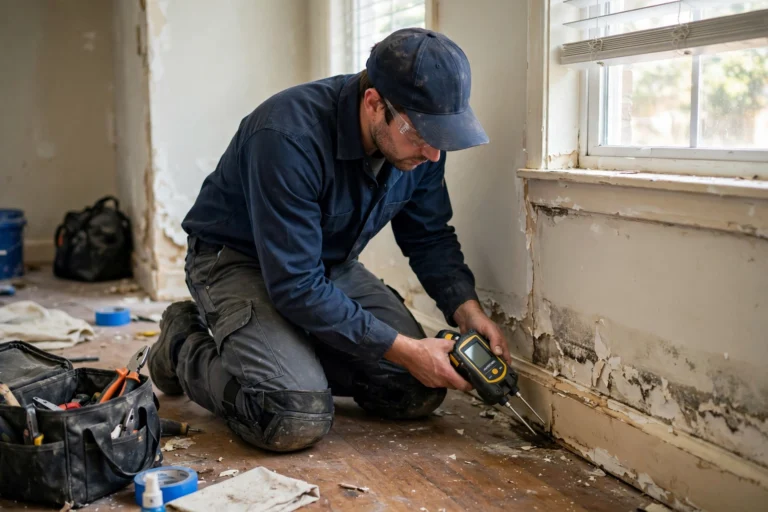
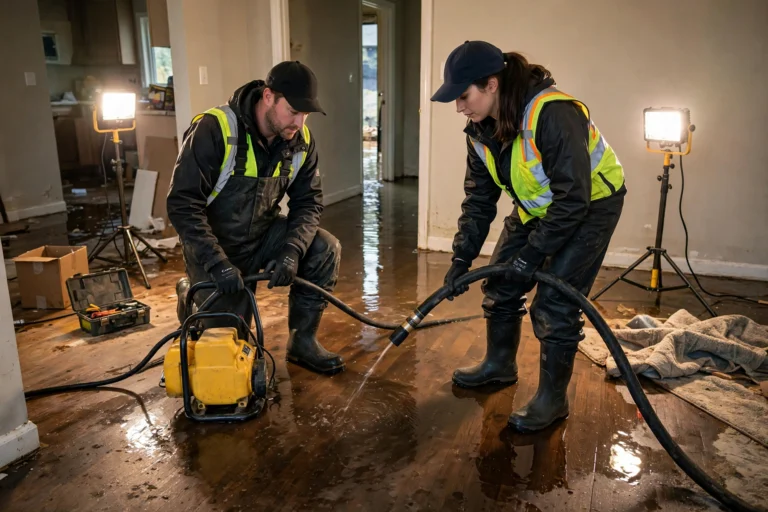
A certified crew works in a set order: inspection and moisture mapping to find every affected area, including hidden ones; containment with sealed barriers and HEPA-filtered air scrubbers so spores do not spread during the work; removal and cleaning — porous materials with deep growth get removed, hard surfaces get professional antimicrobial treatment; fixing the water source, where mold work overlaps with water damage restoration; and verification that moisture levels are normal and the growth is gone. That full process is what our mold remediation service covers across Greater New Orleans.
What Drives the Cost
No honest company quotes a price sight unseen. The cost depends on the size of the affected area, how accessible it is (a crawl space or behind walls takes more labor), whether porous materials must be removed and replaced, how complex the moisture-source repair is, and whether lab testing or documentation for insurance is needed. One pattern holds: small, early problems cost far less than large, established ones — calling at the first sign of growth is the cheapest move a homeowner can make.
When to Call a Professional
Bring in a certified mold remediation team when the growth covers a large area or multiple rooms, it is inside your HVAC system or ductwork, it followed flooding or a major leak, someone in the household has symptoms you suspect are connected, it keeps coming back after DIY attempts, or you need documentation for an insurance claim or property sale.
Dealing with mold right now? Our IICRC-certified team serves Greater New Orleans around the clock. Call (504) 520-4646 for an inspection — the sooner growth is found, the simpler the fix.
Frequently Asked Questions
How do I know if mold is “black mold”?
You cannot tell by color alone — many dark molds look identical to Stachybotrys. Lab testing can identify the species, and it is most useful for real estate transactions or when a doctor wants to know what someone was exposed to. In practice, professionals treat all significant growth the same way: find the moisture, contain the area, remove it, verify.
Can I remove black mold myself?
Small patches on hard, non-porous surfaces — yes, with protective gear and thorough drying. Anything larger, anything inside walls or ductwork, or growth that keeps returning belongs to a professional crew with containment and HEPA filtration.
Does bleach kill black mold?
Not reliably. Bleach lightens surface color but does not reach roots inside porous materials, and it adds moisture. It is one of the most common reasons DIY mold jobs fail.
Will my homeowners insurance cover mold removal?
It depends on your policy and the cause. Damage from sudden events like a burst pipe is more likely covered than growth from long-term neglect. Document everything with photos and check with your agent before assuming either way.
How long does professional mold removal take?
It depends on the extent. A small contained job can take a day or two; larger projects involving multiple rooms, material removal, and moisture-source repairs take longer. A proper inspection gives you a realistic timeline before work starts.