12 Costly Mistakes Homeowners Make After Water Damage
Water damage is already expensive. The mistakes homeowners make afterward — in the hours, days, and weeks that follow — often double or triple the final bill. Our IICRC-certified New Orleans team has seen every one of these firsthand. Here’s how to avoid them.
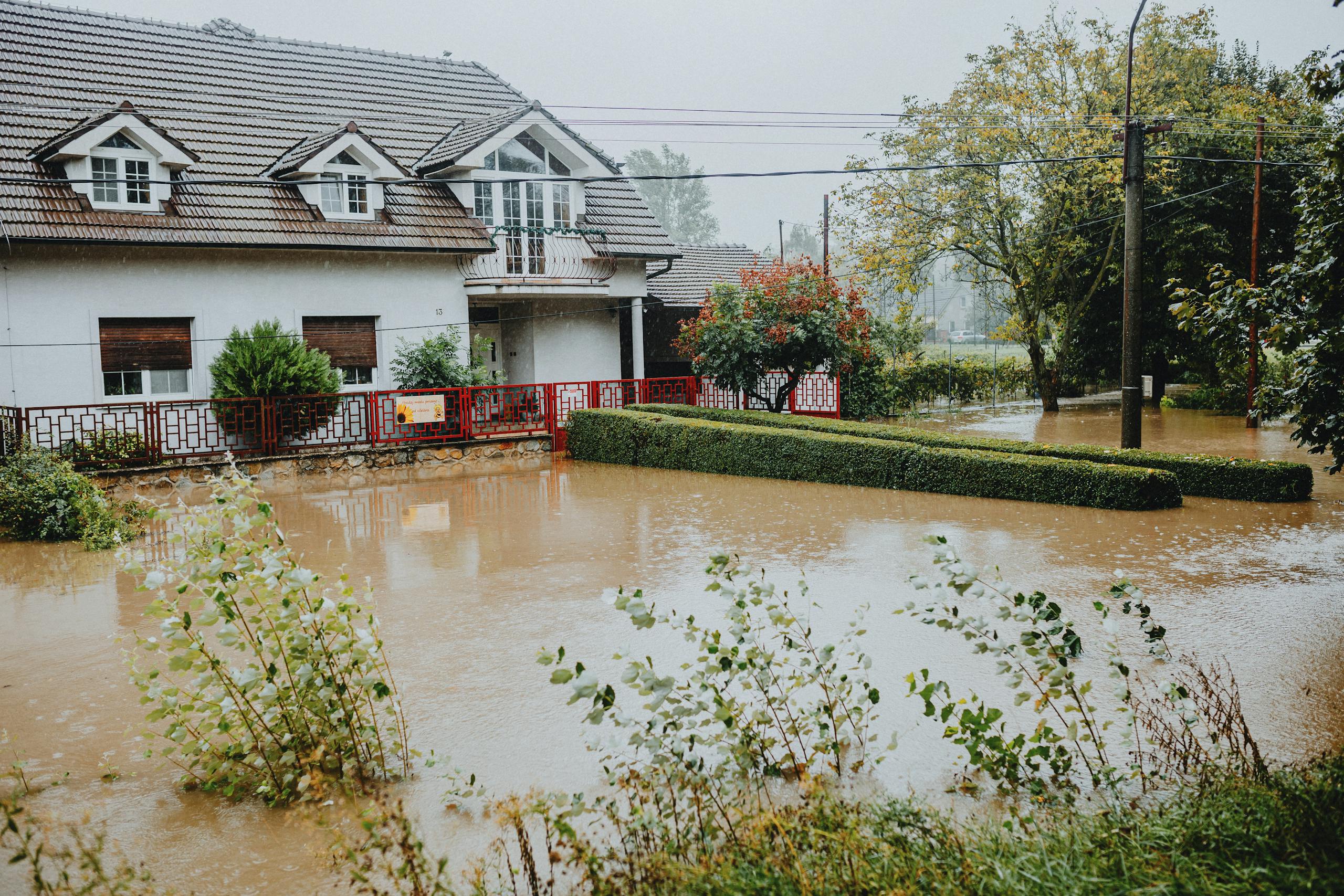
Water damage in New Orleans moves fast. Whether it comes from a burst pipe, a roof failure during a summer storm, or floodwater rising after heavy rainfall — the moment water enters your home, a clock starts ticking. Every hour without the right response increases the total scope of damage, the risk of mold, and the final cost of restoration.
At Restoration New Orleans, our certified team responds to water damage events across the metro every single day. In nearly every case, the same pattern repeats: the water damage itself was manageable — but the decisions made in the hours and days after made it significantly worse.
This guide covers the 12 most costly mistakes homeowners make after water damage. If you have active damage right now, call us at (504) 520-4646 immediately — we respond 24/7.
The 12 Most Costly Water Damage Mistakes
Waiting Too Long to Call for Professional Help
⚡ Most Common & CostlyThe single most expensive mistake homeowners make is waiting. Many assume the visible water is the whole problem — and that once surfaces appear dry, the issue is resolved. It is not. Water migrates into wall cavities, subfloor assemblies, insulation, and structural framing within hours. In New Orleans’ warm, humid climate, mold can begin growing within 24 to 48 hours on those saturated materials.
We regularly receive calls from homeowners who experienced a water event three or four days earlier and are now noticing musty odors or warping floors. What was a straightforward two-day drying project has become a full mold remediation job at significantly higher cost.
Assuming the Damage Is Only What You Can See
🔍 Dangerous AssumptionVisible water is always the smallest part of the problem. Water follows the path of least resistance — traveling through wall cavities, under flooring, along pipe channels, and into structural framing far faster than most homeowners realize. A water stain on your ceiling is not the damage — it is a symptom of damage that has already occurred across a much larger hidden area.
Professional restoration technicians use thermal imaging cameras and moisture meters to map the full extent of hidden moisture. Without these tools, the true scope is invisible — and homeowners who rely on visual inspection alone consistently underestimate what has happened.
Trying to Dry Everything with Household Fans
❌ Ineffective MethodHousehold fans move ambient air — they do not extract moisture from structural materials. Drywall, subfloor, insulation, and wood framing absorb water deeply and require professional-grade air movers and dehumidifiers running continuously for 3 to 5 days to achieve proper structural drying results.
Worse, using fans in New Orleans’ humid environment without professional dehumidification can spread moisture to adjacent areas that were previously unaffected — expanding the damage footprint while giving the false impression that progress is being made.
Not Documenting Damage Before Cleanup Begins
📸 Insurance RiskBefore anything is moved, extracted, or cleaned — photograph and video every affected area in detail. Walk through the entire property documenting water levels, affected materials, damaged belongings, and structural impact. This documentation is critical for your insurance claim and becomes your legal evidence of what occurred before any remediation work began.
Homeowners who start cleaning up before documenting often find their insurance claims denied or significantly reduced because they cannot prove the scope of damage at the time it occurred. Our team always documents first, then works. Do the same before calling anyone.
Using Bleach or Household Cleaners on Mold
🦠 Health & Safety RiskBleach kills surface mold temporarily but does not penetrate porous building materials like drywall, wood, and insulation where mold roots grow. The visible surface appears clean while active growth continues inside the material. Consumer cleaning products are not a solution — they are a temporary mask.
Additionally, disturbing mold without proper containment protocols releases spores into the air, which can spread contamination throughout your HVAC system and into other rooms. In a New Orleans home with central air conditioning running, this can spread mold spores across an entire property within hours.
Failing to Shut Off the Water Source Immediately
⚡ First PriorityWhen water damage from a plumbing failure occurs, every second the water source remains active adds more water to the problem. Every homeowner should know exactly where their main water shut-off valve is located before any emergency occurs. In Greater New Orleans, shut-off valves are typically located near the water meter — at the street or near the home’s point of entry.
Know this in advance. Confirm the valve turns properly before any emergency. A seized valve that hasn’t been operated in years can fail to stop flow when you need it most.
Not Contacting Your Insurance Company Promptly
📋 Policy RequirementMost homeowner’s insurance policies in Louisiana require prompt notification of a damage event as a condition of coverage. Waiting days or weeks to report — even while trying to handle things yourself first — can give your insurer grounds to deny or reduce your claim based on delayed notification and failure to mitigate.
Contact your insurance provider the same day. Document your call. Ask specifically about what is covered, what documentation they require, and whether they have a preferred restoration vendor list. You are not obligated to use their list — but knowing it helps your planning.
Hiring an Uncertified or Out-of-Town Contractor
⚠️ Quality & Legal RiskAfter major water events in New Orleans — particularly following storms — out-of-town contractors flood the market offering fast, cheap restoration. Many are unlicensed, uninsured, and unfamiliar with Louisiana building codes, local construction methods, and the specific challenges of restoring properties in this climate. This can leave you with incomplete remediation, future mold, and work that doesn’t meet code.
Always verify: Louisiana license, general liability and workers compensation insurance, IICRC certification in water damage restoration, and a written estimate before work begins. Our team meets all of these standards on every project we handle.
Throwing Away Damaged Belongings Before Insurance Inspection
📋 Coverage RiskAfter a water event, the impulse to immediately remove damaged furniture, rugs, clothing, and belongings is understandable — but doing so before your insurance adjuster has documented them can significantly reduce your personal property reimbursement. Move damaged items to a dry, protected area rather than discarding them.
Photograph every item individually with identifying details visible. Create a written inventory with descriptions and estimated values. Keep this documentation even after your claim is processed — disputes can arise months later when you least expect them.
Rebuilding Before Complete Structural Drying
🔨 Most Expensive RepairOnce visible water is gone and the space feels dry to the touch, many homeowners begin immediately replacing damaged materials — installing new drywall, painting, replacing flooring. Installing new materials over structural assemblies that have not been completely dried traps residual moisture inside, creating ideal mold-growth conditions behind the new surface where it cannot be detected.
Professional drying protocols require monitoring moisture levels in structural materials until they reach acceptable baseline readings — a process that typically takes 3 to 5 full days with professional equipment. Reconstruction should not begin until certified moisture readings confirm complete drying across all affected assemblies.
Ignoring Air Duct Contamination
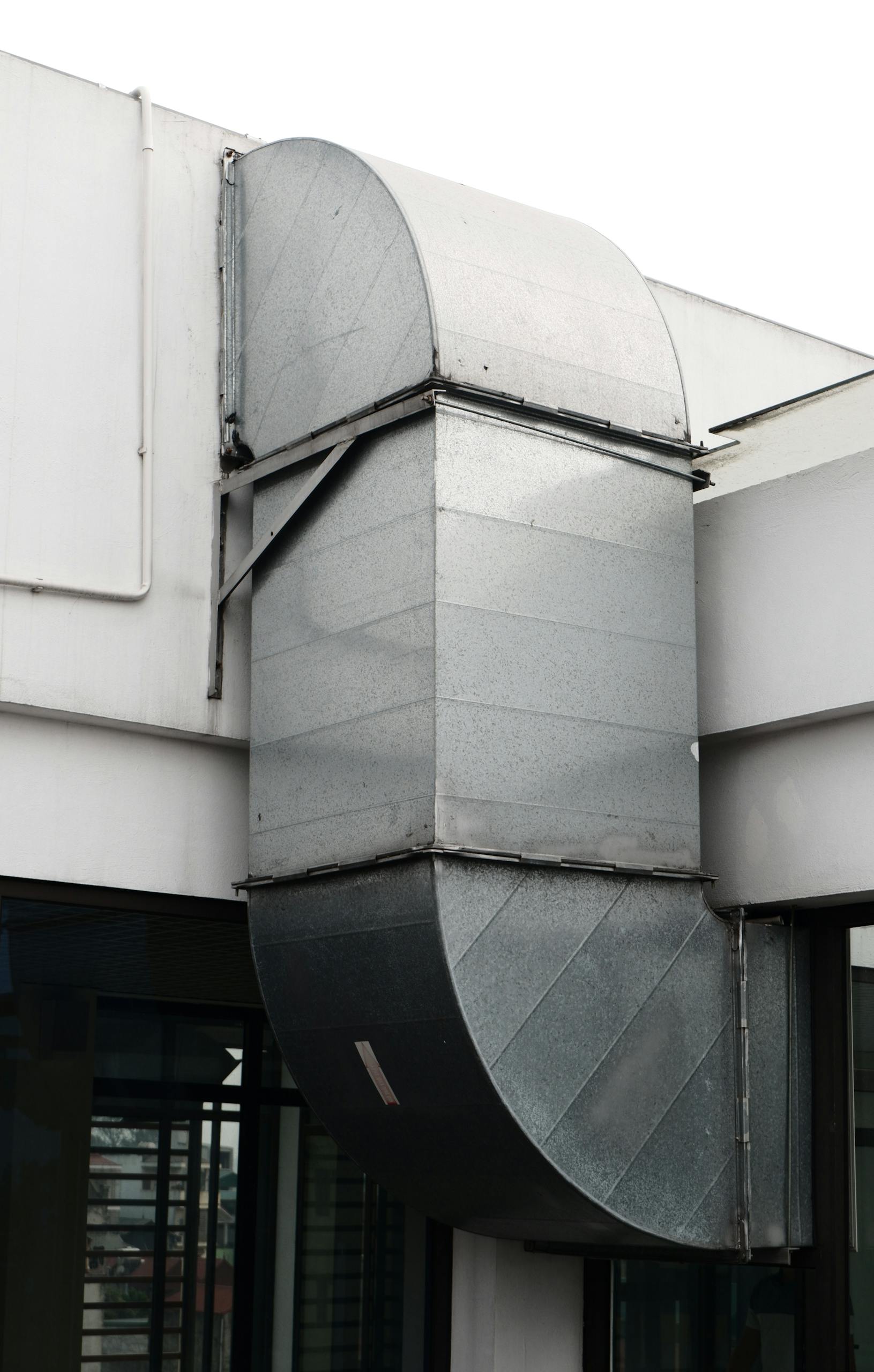
🌬️ Hidden Health RiskDuring flooding, water commonly enters HVAC ductwork. If your air handler, duct system, or vents were submerged or exposed to moisture, mold growth inside the ducts is almost certain within 24 to 48 hours. Once mold establishes inside ductwork, every time your system runs it distributes spores throughout every room in your home — contaminating areas that were never affected by the original water event.
After any flooding or significant water event that could have reached your HVAC system, professional air duct inspection and cleaning is an essential part of the complete restoration process — not an optional add-on.
Not Fixing the Root Cause Before Restoring
🔁 Guarantees Repeat DamageHomeowners spend significant money restoring damage from a leaking roof, a failing pipe, or a drainage problem without first permanently fixing the water intrusion source. Six months later, the same source causes new damage — often in adjacent areas — and the restoration process starts over entirely at full cost.
Before any restoration work begins on the affected structure, the root cause must be identified and permanently addressed. In New Orleans properties, this often involves not just the obvious failure point but also underlying contributors — inadequate slope away from the foundation, failing roof flashing, or tree root infiltration in sewer lines.
Quick Reference: All 12 Mistakes
Use this table as your checklist after any water event. If you are currently making any of these mistakes, call our team immediately at (504) 520-4646.
| # | Mistake | Risk | Added Cost |
|---|---|---|---|
| 1 | Waiting too long to call professionals | Critical | $5,000–$15,000+ |
| 2 | Assuming damage is only what’s visible | High | $3,000–$10,000 |
| 3 | Using household fans instead of pro drying | High | $4,000–$12,000 |
| 4 | Not documenting before cleanup | High | Full claim denial |
| 5 | Using bleach on mold | High | $8,000–$25,000 |
| 6 | Not shutting off water source immediately | Critical | $500–$5,000/hr |
| 7 | Delaying insurance notification | High | Full denial risk |
| 8 | Hiring uncertified contractors | Medium–High | $5,000–$20,000 |
| 9 | Discarding belongings before inspection | Medium | $5,000–$30,000 |
| 10 | Rebuilding before complete drying | High | Full redo cost |
| 11 | Ignoring HVAC duct contamination | High | $3,000–$15,000 |
| 12 | Not fixing the root cause first | Critical | Full repeat damage |
Expert Recommendations — What to Do Instead
Every mistake above is avoidable. Here is what our IICRC-certified team recommends immediately following any water damage event in Greater New Orleans:
- Call immediately — within hours, not days. We are available 24/7 at (504) 520-4646 with a goal of on-site within 60 minutes.
- Shut off water first — know your main valve location before any emergency occurs. Confirm it works.
- Document everything — photo and video every affected area before touching anything. This is your insurance evidence.
- Do not attempt DIY drying — household fans cannot achieve structural drying. Professional equipment is required.
- Do not disturb visible mold — call for professional assessment before any attempted removal.
- Notify your insurer same day — document your call, ask what’s covered, get a claim number.
- Verify contractor credentials — Louisiana license, insurance, and IICRC certification before signing anything.
- Wait for clearance readings — do not begin reconstruction until certified moisture readings confirm complete drying.
- Check your HVAC ducts — if your system was exposed to moisture, schedule inspection and cleaning as part of restoration.
- Fix the source first — permanently address the root cause before any restorative work begins.
Frequently Asked Questions
The Bottom Line — Act Fast, Act Right
Water damage is stressful. The urge to do something immediately is completely natural. But what you do in the hours after a water event is as important as what happened during it. Every mistake in this guide adds cost, time, and complexity to a restoration process that could have been straightforward with the right immediate response.
Document, call your insurer, shut off the water source, and call a certified restoration professional without delay. Restoration New Orleans is available 24/7 with free on-site assessments, written estimates before any work begins, and complete photo documentation for insurance purposes. Call us at (504) 520-4646 — the sooner we respond, the less this costs you.
Don’t Make These Mistakes — Call Us First
The faster you call, the less your water damage costs. Our IICRC-certified New Orleans team responds 24/7 with professional drying equipment, thermal imaging inspection, and complete documentation for your insurance claim.