Prevent frozen pipes in New Orleans by insulating exposed pipes, disconnecting garden hoses, covering outdoor taps, and keeping the heat on during a freeze. Get Restoration New Orleans responds 24/7 at (504) 520-4646 if a pipe bursts and water damages your home.
Key takeaways
- Insulate every exposed pipe in crawl spaces, attics, garages, and along exterior walls before the first hard freeze.
- Disconnect garden hoses, drain outdoor taps, and fit insulated covers on outdoor faucets.
- Find your main water shutoff valve now, and make sure every adult in the home knows how to turn it off.
- During a freeze, keep the heat steady, open sink cabinets on exterior walls, and drip the tap farthest from the water meter.
- If a pipe bursts, shut off the water, keep clear of electrics, and photograph the damage before cleanup.
Why are New Orleans homes at risk from frozen pipes?
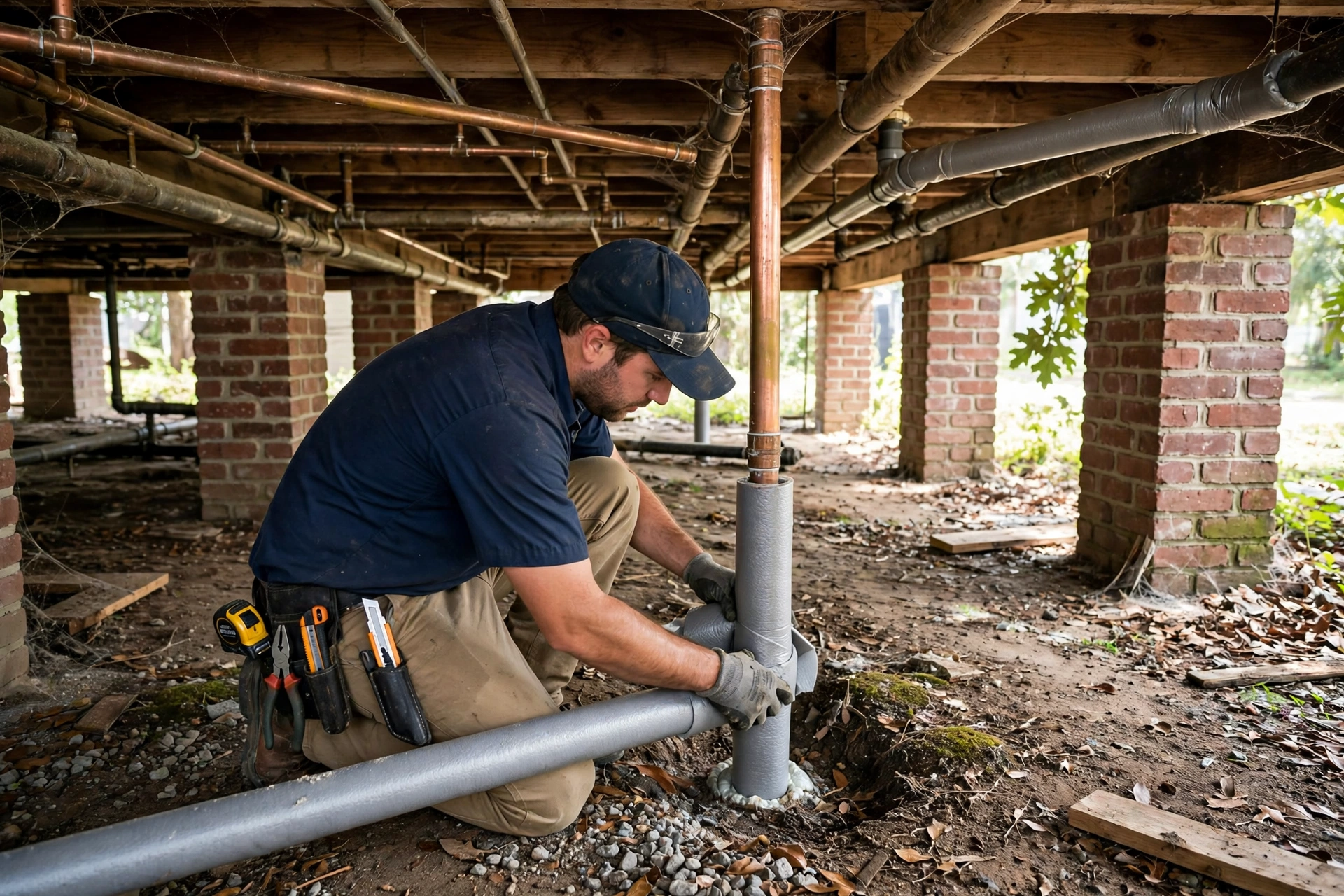
New Orleans winters are usually mild, and that is exactly why a freeze catches so many homes out. Many houses here are raised on piers, with water pipes running underneath in open crawl spaces where cold air moves freely. Older homes often have little insulation around those pipes, and a pipe that has never frozen in a mild winter can freeze solid during one long, cold night.
A cold front is moving through southeast Louisiana this week, with cooler, drier air into the weekend. That is not yet freezing weather, but it is the right moment to prepare, while the work is still easy to do.
Where do pipes freeze first?
Pipes freeze where cold air reaches them and warmth does not. Walk your home with that rule in mind, and check these places first:
- Pipes in crawl spaces under raised homes, especially near vents and open sides.
- Pipes in attics, garages, and unheated utility rooms.
- Pipes running along exterior walls, particularly in kitchens and bathrooms.
- Outdoor taps, hose bibs, sprinkler lines, and pool plumbing.
- The spot where the water service enters the home through the foundation.
If you can see a pipe in an unheated space, treat it as exposed. Insulation slows heat loss but does not make a pipe freeze-proof on its own, so the steps below work as a set.

What should you do before the first hard freeze?
Insulate exposed pipes
Fit foam pipe insulation sleeves around exposed hot and cold water pipes. Pre-slit sleeves slide over straight runs, and tape holds them in place. Cover joints and bends as well as straight sections, since a single bare elbow can be the weak point, and replace any section that is wet or damaged.
Disconnect hoses and protect outdoor taps
Disconnect every garden hose, drain it, and store it indoors. A hose left connected can trap water against the tap and freeze the pipe behind the wall. After disconnecting, open the outdoor tap briefly to let any remaining water drain out, then close it and fit an insulated faucet cover. If your home has a separate shutoff for outdoor taps, close it and drain that line too.

Seal drafts and find the shutoff
Seal gaps where cold air blows onto pipes, such as around vents and where pipes pass through walls. Then find your main water shutoff valve and test it, often near the water meter or water heater, and show every adult in the home how to turn it off. In a burst-pipe emergency, minutes spent searching for the valve are minutes water spends spreading.
Set a minimum temperature
The American Red Cross advises keeping the thermostat at 55°F or higher when you are away during cold weather, and keeping the temperature steady day and night during a freeze. Do not turn the heat off to save money while you are away for a weekend. A cold house with unheated pipes is the combination that causes most freeze damage.
What should you do during a hard freeze?
When the forecast shows temperatures at or below freezing, add these steps:
- Open the doors of sink cabinets on exterior walls so warm room air can reach the pipes inside.
- Open interior doors so heat moves from room to room.
- Keep the garage door closed if water lines run through the garage.
- Drip one tap only, the tap farthest from your water meter, at a thin trickle about as thick as a strand of spaghetti. The Sewerage & Water Board of New Orleans gives the same advice: run only one tap, and do not run any tap at full blast.
- Once temperatures climb back above freezing, turn the tap off. Running water above freezing does not protect pipes, and it wastes water.

Dripping is a precaution for a hard freeze, not a substitute for insulation. Use it when the cold is prolonged, when pipes have frozen before, or when a pipe sits in a particularly exposed spot.
How do you know a pipe has already frozen?
The most common sign is a tap that gives no water, or only a trickle, while other taps work normally. You may also see frost, a bulge, or a crack on an exposed pipe. Do not assume the problem will fix itself when the weather warms: a frozen pipe can split while frozen and only start leaking once the ice thaws.
If you suspect a frozen pipe, open the tap it serves so water has somewhere to go as the ice melts. Warm the pipe gently with a hair dryer or towels soaked in warm water, working from the tap back toward the frozen section. Never use an open flame to thaw a pipe, and call a plumber if the frozen section is inside a wall.
What should you do if a pipe bursts?
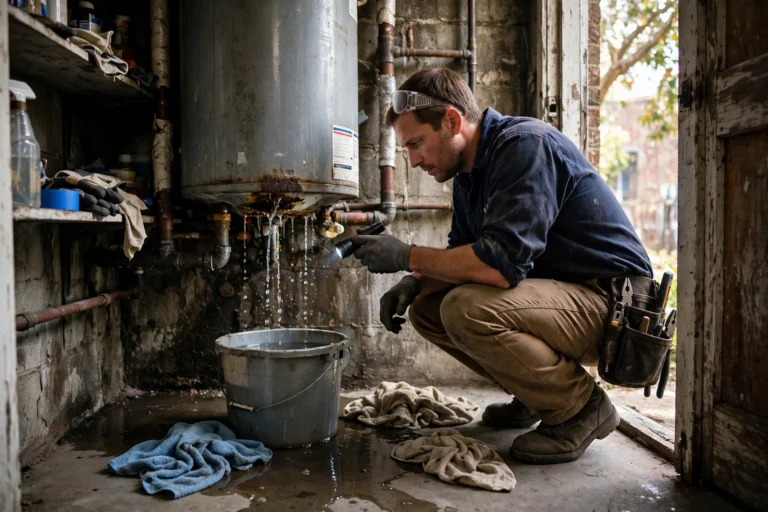
- Turn off the main water supply if you can do so safely.
- Switch off electricity to the affected area if water is near outlets, switches, or appliances.
- Open a tap to relieve pressure and drain remaining water from the line.
- Move dry belongings out of the way, and photograph every wet room and damaged item before you throw anything away.
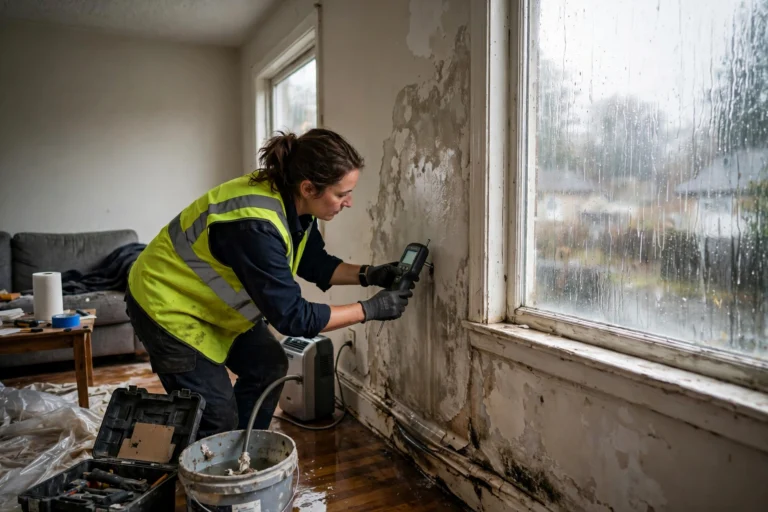
- Call a plumber to repair the pipe, then call a restoration team to dry the structure. Wet materials can start to grow mould within a day or two if they stay damp, so drying should not wait for the repair.
For help with the water damage itself, see our guide to water damage restoration. If the drying process is new to you, our guide on drying a house explains what to expect, and our guide to water damage insurance covers what to document for a claim.
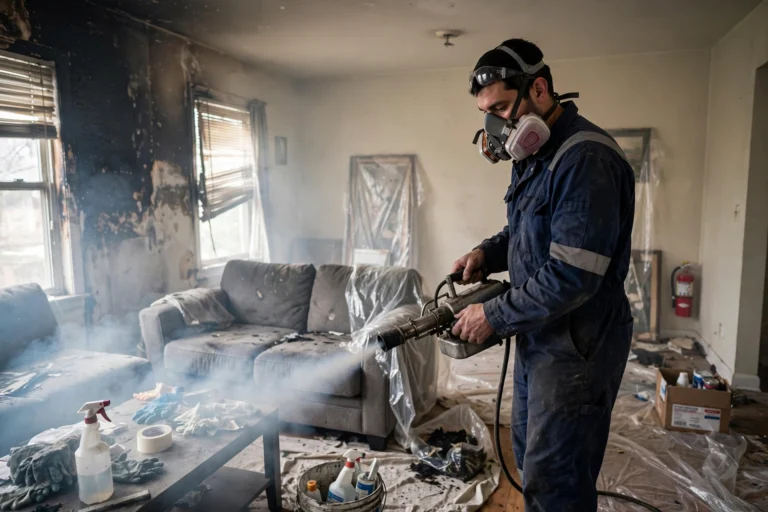
If water has spread through floors or walls, call Get Restoration New Orleans at (504) 520-4646. The team responds 24/7 across Greater New Orleans and can extract water, dry the structure, and document the damage.
Frequently asked questions
At what temperature do pipes freeze in New Orleans?
Pipes are at risk when outdoor temperatures fall to freezing and stay there, especially overnight. Exposed pipes in unheated crawl spaces, attics, and garages are most vulnerable, and wind and a long cold night increase the risk more than a brief dip near freezing.
Should I drip my taps during every cold night in New Orleans?
No. Drip one tap, the one farthest from your water meter, only during a hard freeze, and turn it off once temperatures rise above freezing. Insulation, a steady indoor temperature, and open sink cabinets are the everyday protections; dripping is an extra step for prolonged cold.
Does pipe insulation guarantee my pipes will not freeze?
No. Insulation slows heat loss and gives pipes more time in cold weather, but it does not generate heat. In a long, hard freeze, insulation works best together with steady indoor heating, sealed drafts, and, when needed, a dripping tap.
What is the most important thing to do before winter in a raised New Orleans home?
Insulate the pipes under the house and find your main water shutoff valve. Raised homes have exposed crawl-space plumbing, so those two steps cover both prevention and the fastest possible response if a pipe does burst.
What should I do first if a pipe bursts?
Turn off the main water supply if it is safe to do so, then switch off electricity to the affected area if water is near electrics. Photograph the damage before cleanup, call a plumber for the repair, and arrange professional drying promptly so wet materials do not stay damp.