Carbon monoxide safety in New Orleans starts with a working detector on every level of your home, placed outside each sleeping area and tested monthly. If an alarm sounds, get everyone into fresh air at once and call 911 from outside. Get Restoration New Orleans responds 24/7 at (504) 520-4646 if smoke or fire has affected your home.
Key takeaways
- Carbon monoxide has no colour, smell or taste, so a working detector is the only warning most homes get.
- Put a detector on every level of your home and outside each sleeping area, and test it monthly.
- Replace detectors on the manufacturer's schedule, usually every 5 to 7 years, and check the batteries when the clocks change.
- Headache, dizziness, nausea and confusion that ease once you are outdoors can be warning signs.
- If the alarm sounds, leave at once, call 911 from fresh air, and do not go back inside until emergency responders clear the home.
Why does carbon monoxide risk rise when the heating season starts?
Heating season is arriving in New Orleans. Thursday 5 November is sunny with a high near 79°F, but a stronger cold front arrives on Saturday, with morning lows in the 40s on Sunday and Monday. Furnaces, boilers, water heaters and fireplaces are about to run for the first time in months, while windows stay shut against the cooler air.
That combination is when carbon monoxide risk climbs. Equipment that sat idle all summer can have a blocked flue or a venting fault no one noticed, and a closed-up house gives the gas nowhere to go. The risk is not about cold weather itself. It is about equipment switching on after a long rest, in homes sealed tight for the first time since spring.
Daylight saving time ended on 1 November, so this week is the natural moment to check every detector in the house. If you have not pressed a test button since spring, do it before the first cold night.
Where does carbon monoxide come from in a New Orleans home?
Carbon monoxide (CO) forms when fuel does not burn completely. In a typical home the sources are the furnace, boiler, gas water heater, fireplace, gas stove and any portable heater that burns fuel. Normally these appliances vent the gas safely outside. The danger starts when something interferes with burning or venting: a blocked chimney or flue, a cracked heat exchanger, a damaged vent pipe, or an appliance that has not been serviced in years.
Generators deserve a special warning. The Consumer Product Safety Commission reports that generators were linked to 92 carbon monoxide deaths in the United States in 2020, more than any other consumer product, followed by portable heaters with 33. A generator should only ever run outdoors, well away from windows and doors, and never in a garage, porch or carport, even with the door open. The same rule covers charcoal grills, camping stoves and patio heaters, and never warm up a car in a closed garage.
Where should you put carbon monoxide detectors?
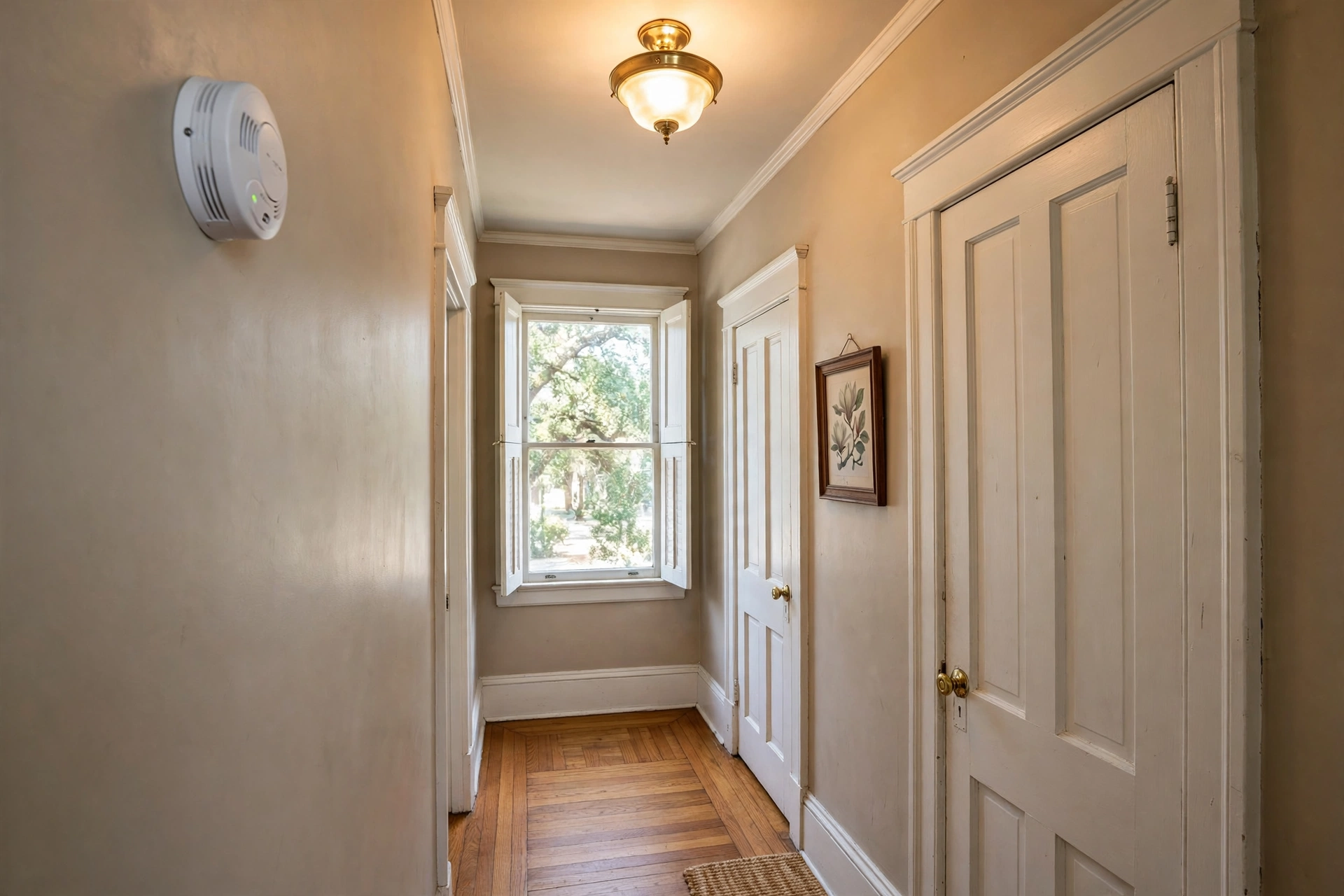
Placement decides whether a detector can do its job. The Consumer Product Safety Commission and the National Fire Protection Association recommend a detector on every level of the home and outside each sleeping area, so the alarm is loud enough to wake people at night. Interconnected alarms are best, because when one sounds, they all sound.
Follow the manufacturer's instructions for your exact model first, and use these placement rules alongside them:
- One detector on every level, including the basement if your home has one.
- One in the hallway outside each sleeping area.
- One near the furnace, water heater or other fuel-burning appliance, but at the distance the manufacturer recommends, usually at least 15 feet away, so normal operation does not cause nuisance alarms.
- Keep detectors out of high-humidity rooms such as bathrooms, away from direct sunlight, and away from drafty windows and doors, where moving air can delay detection.
How do you test and maintain a detector?
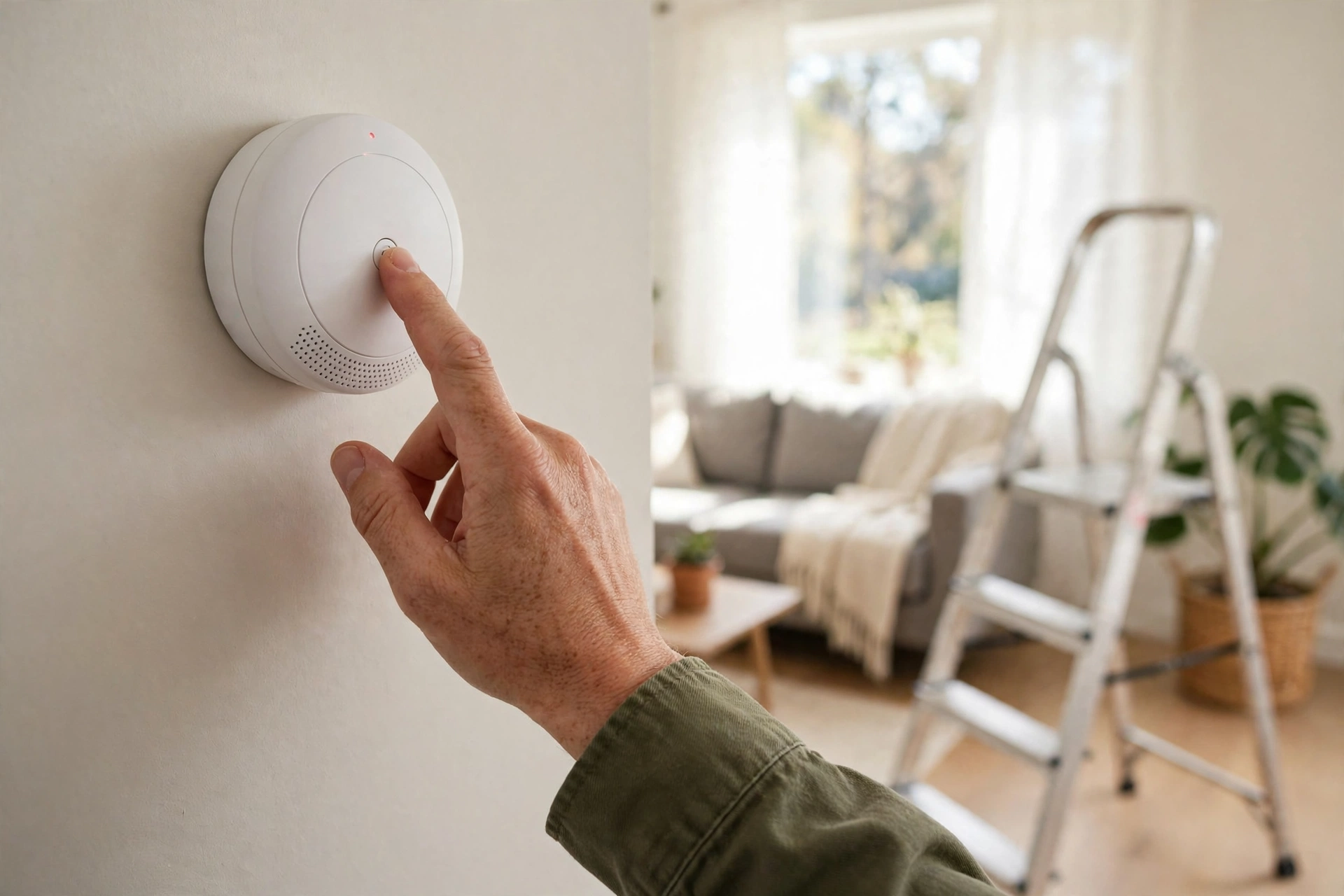
A detector only protects you if it works, and testing takes less than a minute. Press the test button once a month and listen for the alarm. If it stays silent, change the batteries and test again. If it still stays silent, replace the unit.
Batteries are the most common point of failure, so tie the habit to something you already do. Check detector batteries when the clocks change in spring and autumn, the habit the Centers for Disease Control and Prevention recommends. Plug-in models should have a battery backup so they keep working during a power cut.
Detectors also wear out. Most manufacturers recommend replacing the whole unit every 5 to 7 years, and many newer alarms give an end-of-life signal when their sensor has expired. Check the manufacture or replacement date printed on the back of the unit.
What are the warning signs of carbon monoxide poisoning?
Because you cannot see, smell or taste carbon monoxide, the first clues are often physical. The CDC lists the most common symptoms as headache, dizziness, weakness, upset stomach, vomiting, chest pain and confusion. They are often described as flu-like, which is exactly why they are easy to dismiss.
Watch for patterns rather than single symptoms. Several people or pets in the home feeling ill at the same time, or symptoms that ease when you go outdoors and return when the heating runs, are both worth taking seriously. According to the CDC, more than 400 Americans die each year from unintentional carbon monoxide poisoning not linked to fires, and more than 100,000 visit an emergency department.
If you suspect carbon monoxide poisoning, do not wait for the symptoms to prove it. Get everyone into fresh air and call 911, and tell the dispatcher you suspect carbon monoxide so responders arrive with the right equipment.
What should you do if your carbon monoxide alarm goes off?
Act on the alarm, not on how you feel. The National Fire Protection Association says to move to fresh air right away. Do not stop to open windows around the house, do not look for the source, and do not silence the alarm and go back to bed.
- Get everyone outside at once, and count heads.
- Call 911 from fresh air, outside the home.
- Stay outside until emergency responders say it is safe to go back in.
- Once the home is cleared, have a qualified technician find and fix the source before you use the appliance again.
If the alarm went off while you were away, do not walk straight back in. Call 911 from outside and let responders check the home first. If smoke or soot is part of the picture, see our guide to fire and smoke damage restoration for what happens next, and our guide to smoke damage cleanup for how soot is handled room by room.

How can you lower the risk before the cold arrives?
A detector warns you about a problem. Regular maintenance helps stop the problem from happening at all. Work through this short list before the coldest part of the season:
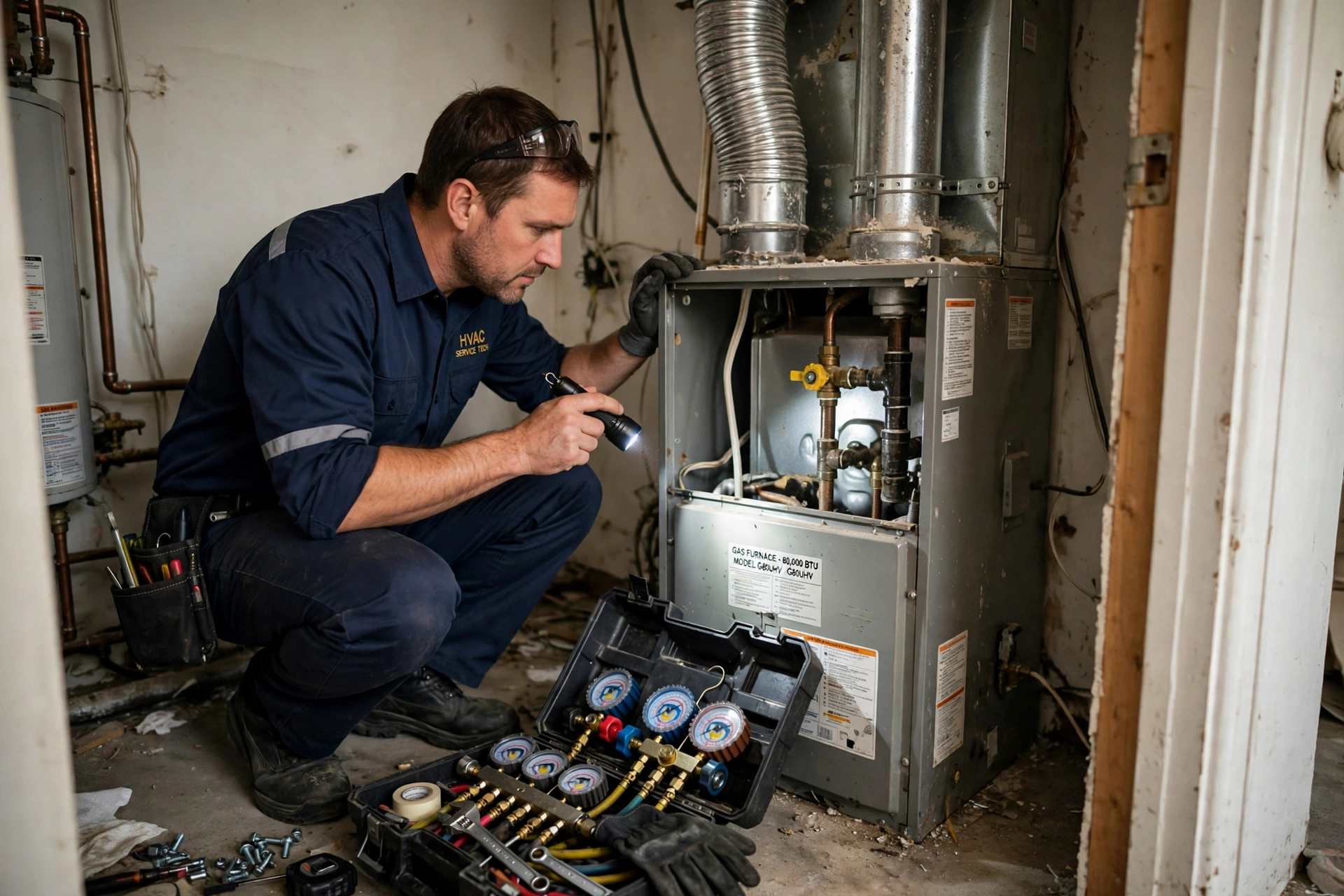
- Have your heating system, water heater and any other gas, oil or coal-burning appliance serviced by a qualified technician every year, before heating season begins.
- Have the chimney and flue checked for blockages, cracks and nesting material. Our guide to chimney repair explains what a proper chimney check covers.
- Keep exterior exhaust vents clear of leaves, debris and nesting material, and check them again after storms.
- Never use the oven or a gas stove to heat the home, and never run a portable heater close to bedding, curtains or furniture. Our guide to space heater safety covers the three-foot rule and safe placement.
- Keep a carbon monoxide detector in any room with a fuel-burning appliance, and replace any detector past its recommended age this week, while the weather is still mild.
The whole list takes an afternoon, and most of it is checking rather than fixing. A yearly service visit is the single step that catches the cracked flue or blocked vent before the heating season puts it to work.
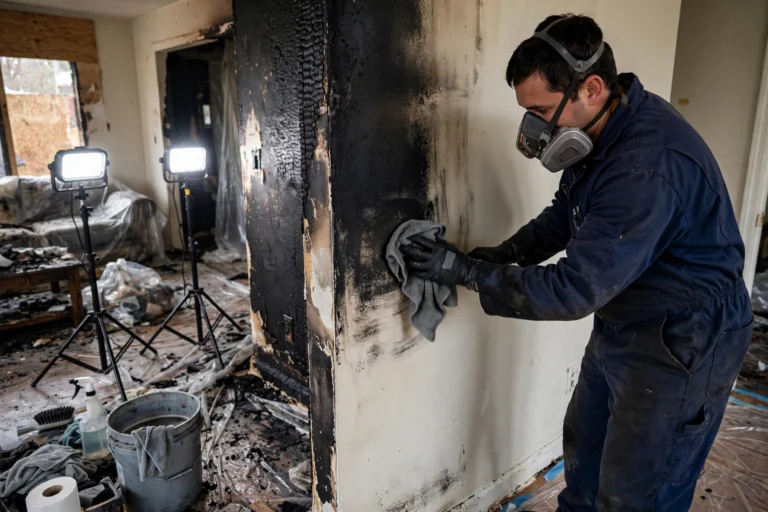
If a heating fault has already left smoke or soot in your home, call Get Restoration New Orleans at (504) 520-4646. The team responds 24/7 across Greater New Orleans and can assess the damage and clean soot from rooms and belongings.
FAQs
Do I need a carbon monoxide detector if my home is all electric?
An all-electric home has a lower risk, but it is not zero. An attached garage, a wood-burning fireplace, a gas grill stored near the house, or a generator used during a power cut can all produce carbon monoxide. A detector is still worth having, and rental or local rules may require one regardless of the heating type.
Where exactly should I put a carbon monoxide detector?
Put one on every level of the home and outside each sleeping area, following the manufacturer’s instructions for your model. Keep detectors at least 15 feet from fuel-burning appliances to avoid nuisance alarms, and keep them out of humid bathrooms and away from drafty windows and direct sunlight.
How long do carbon monoxide detectors last?
Most manufacturers recommend replacing the whole unit every 5 to 7 years, because the sensor wears out even if the alarm still beeps on a test. Check the manufacture or replacement date on the back of the unit, and replace it when the end-of-life signal sounds.
Can a carbon monoxide detector detect a natural gas leak?
No. A carbon monoxide detector only detects carbon monoxide, not natural gas. A natural gas leak is usually found by its added rotten-egg smell, or by a dedicated gas detector. If you smell gas, leave the home at once and call your gas company or 911 from outside.
What is the difference between a smoke alarm and a carbon monoxide alarm?
A smoke alarm detects smoke particles from a fire, while a carbon monoxide alarm detects carbon monoxide gas from incomplete burning. They watch for different dangers, so a home needs both. Combination smoke and carbon monoxide units exist, but check that yours covers both and that the sensor is still within its recommended age.