The fire is out, the soot is wiped away, and the house looks normal again. Then you walk in after work and there it is — that stale, acrid smell hanging in the curtains, the couch, the air itself. Weeks after a fire, smoke odor is often the last thing to leave, and in New Orleans it has a local accomplice: humidity. Moisture in the air can wake up odor compounds trapped in walls and fabrics, which is why a room can smell fine on a dry afternoon and stale again after a rainy night.
Right now is prime season for small smoke events. The first cold front has passed, heaters and fireplaces are firing up across the city, and with them come smoky chimney backdrafts, forgotten pots, and space-heater mishaps. The good news: smoke odor can be removed completely. But only if you treat the source — not just the air. Here is how professionals do it, and what to know before you start.
Why smoke odor is so hard to get rid of
Smoke is made of microscopic particles, and they do not sit politely on surfaces. They settle into every porous material they touch: drywall, upholstery, carpet padding, unfinished wood, insulation. The black soot you can see is only the visible half of the problem — odor molecules bind to the same places the soot lands. Wipe the surface without addressing what soaked in underneath, and the smell comes back within days.
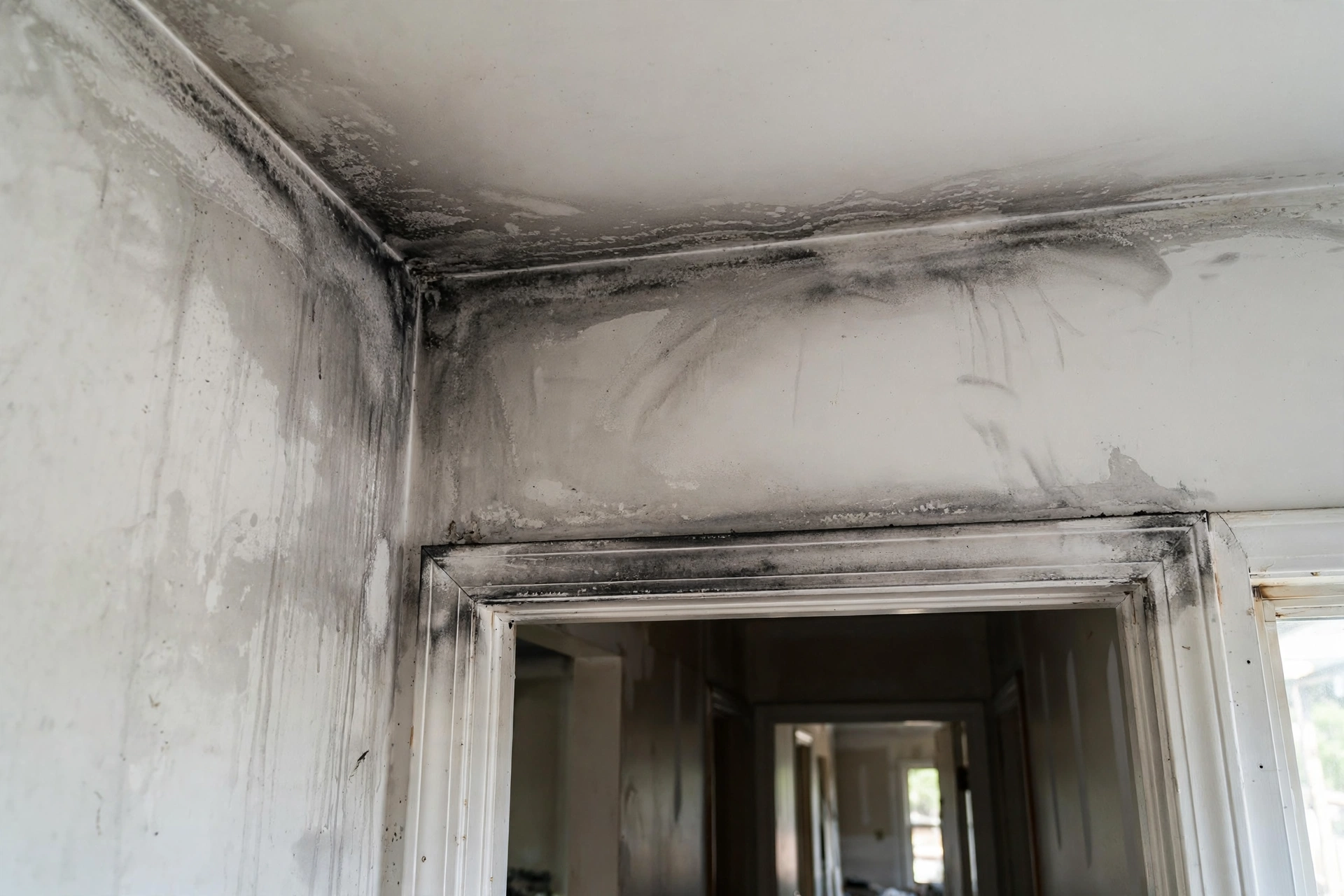
Two things make New Orleans homes especially stubborn cases. First, the humidity. Trapped odor compounds reactivate when moisture levels rise, so the smell can fade and return with the weather. Second, the HVAC system. Ductwork collects smoke particles during and after a fire, and every time the system runs, it redistributes the odor to rooms the fire never touched. Cleaning one room while the ducts stay contaminated is a losing battle.
What most homeowners try first (and why it falls short)
Almost everyone starts with masking: air fresheners, scented candles, plug-in diffusers. These add fragrance on top of the odor without removing anything, and the layered result is usually worse than the original smell. Opening every window and running fans helps with what is floating in the air, but it does nothing for what is embedded in the couch cushions.
DIY staples like baking soda and vinegar can take the edge off a faint odor from a minor incident, but they cannot reach contamination that has worked its way into drywall or insulation. Consumer-grade ozone generators bought online are a different kind of risk: ozone damages rubber, plants, and lungs, and the machines are often run in occupied homes without the safety protocols professionals follow.
Painting over the smell is the most expensive mistake on this list. Standard paint traps odor temporarily, and within months the smell bleeds back through. Paint has a role in odor removal — but only after proper cleaning, and only with a dedicated odor-sealing primer.
How professionals actually remove smoke odor
Professional odor removal follows an order, and skipping steps is why DIY efforts fail. If you have already been through the initial smoke damage cleanup, this is the phase that finishes the job.
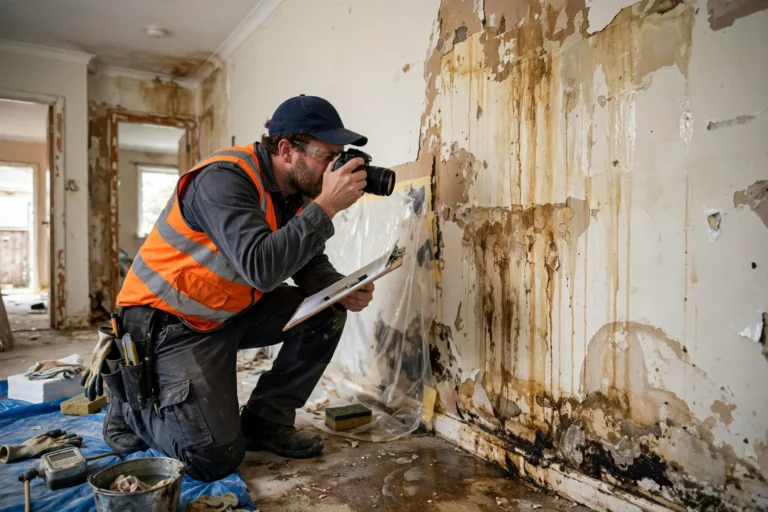
1. Remove the source first. Thorough soot and residue removal comes before any deodorizing. Odor lives where residue remains, so every surface — walls, ceilings, framing — gets HEPA-vacuumed and cleaned with residue-specific methods. Deodorizing a room that still holds soot is like perfuming a dirty shirt.
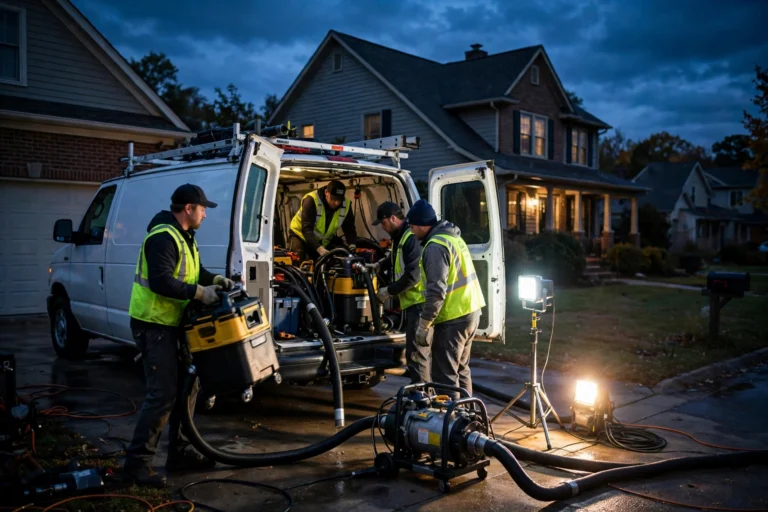
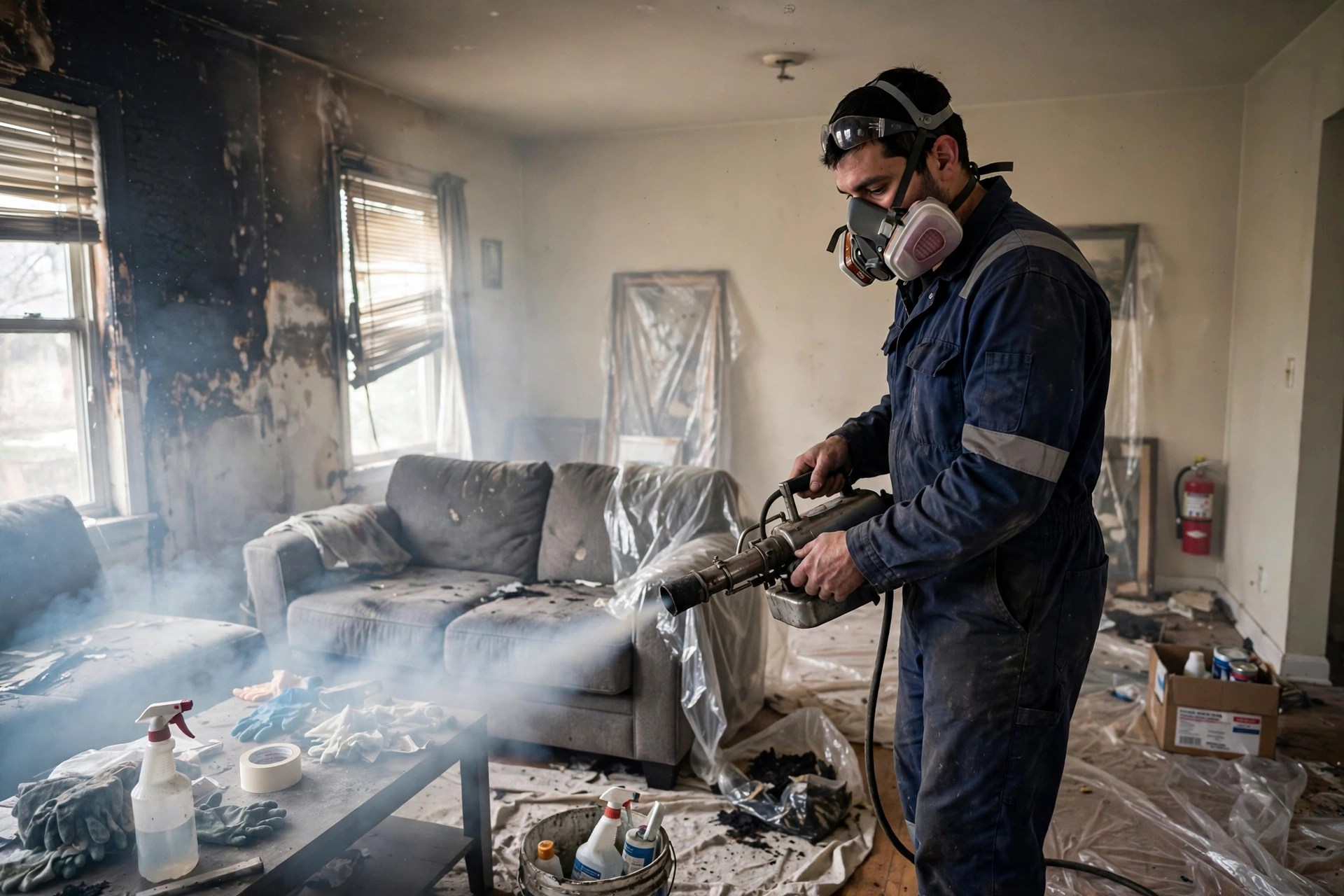
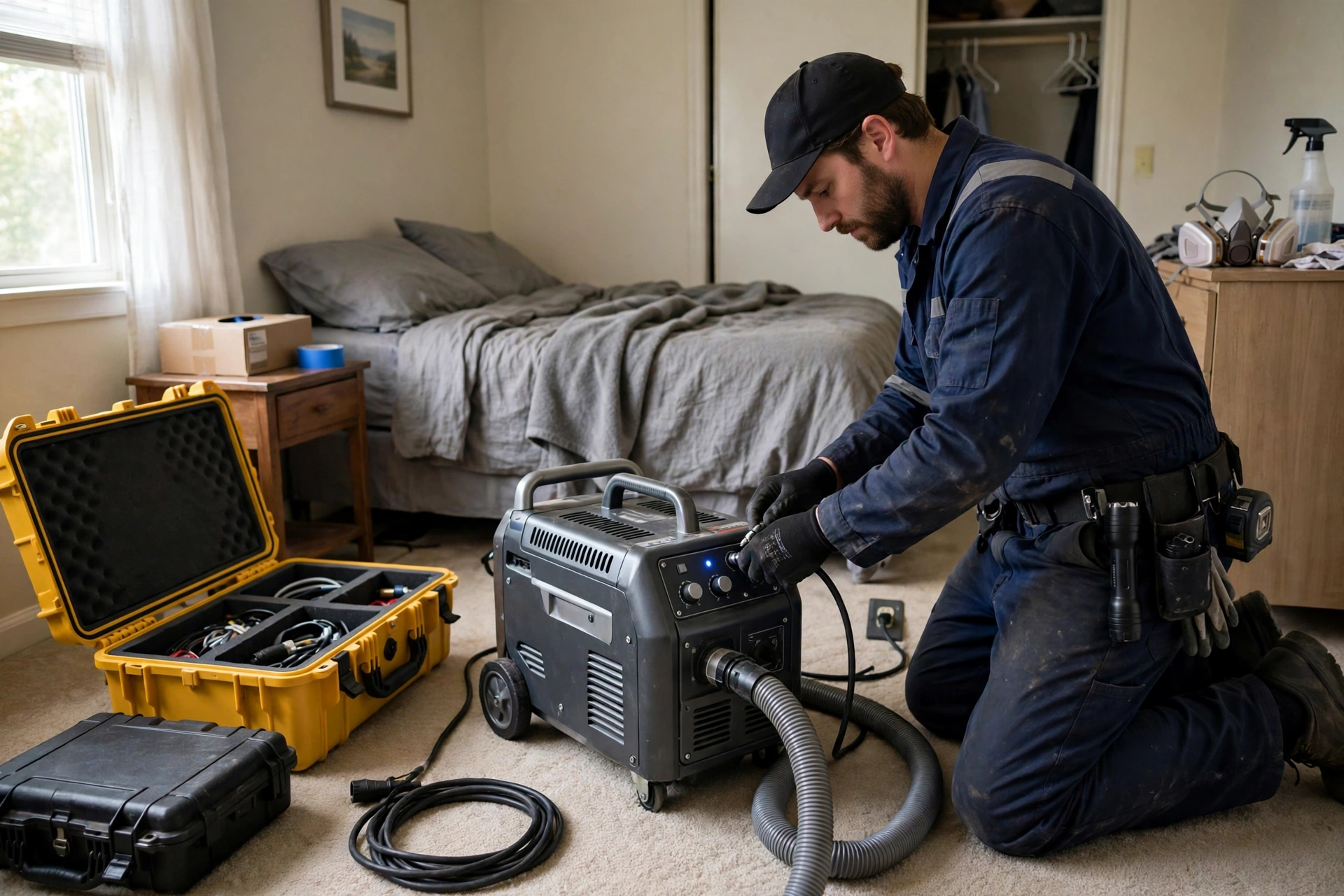
2. Treat the air and the materials. This is where professional equipment earns its keep. Thermal fogging recreates the behavior of smoke itself: a heated deodorizing fog penetrates the same cracks and pores the smoke reached. Hydroxyl generators break down odor molecules over hours or days and are safe to run in occupied spaces. Ozone treatment is the heavy hitter for severe cases, used only in unoccupied buildings with strict protocols.
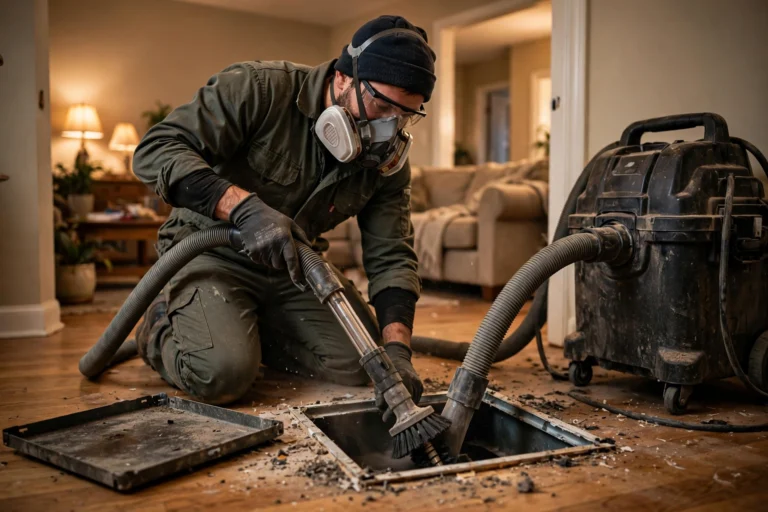
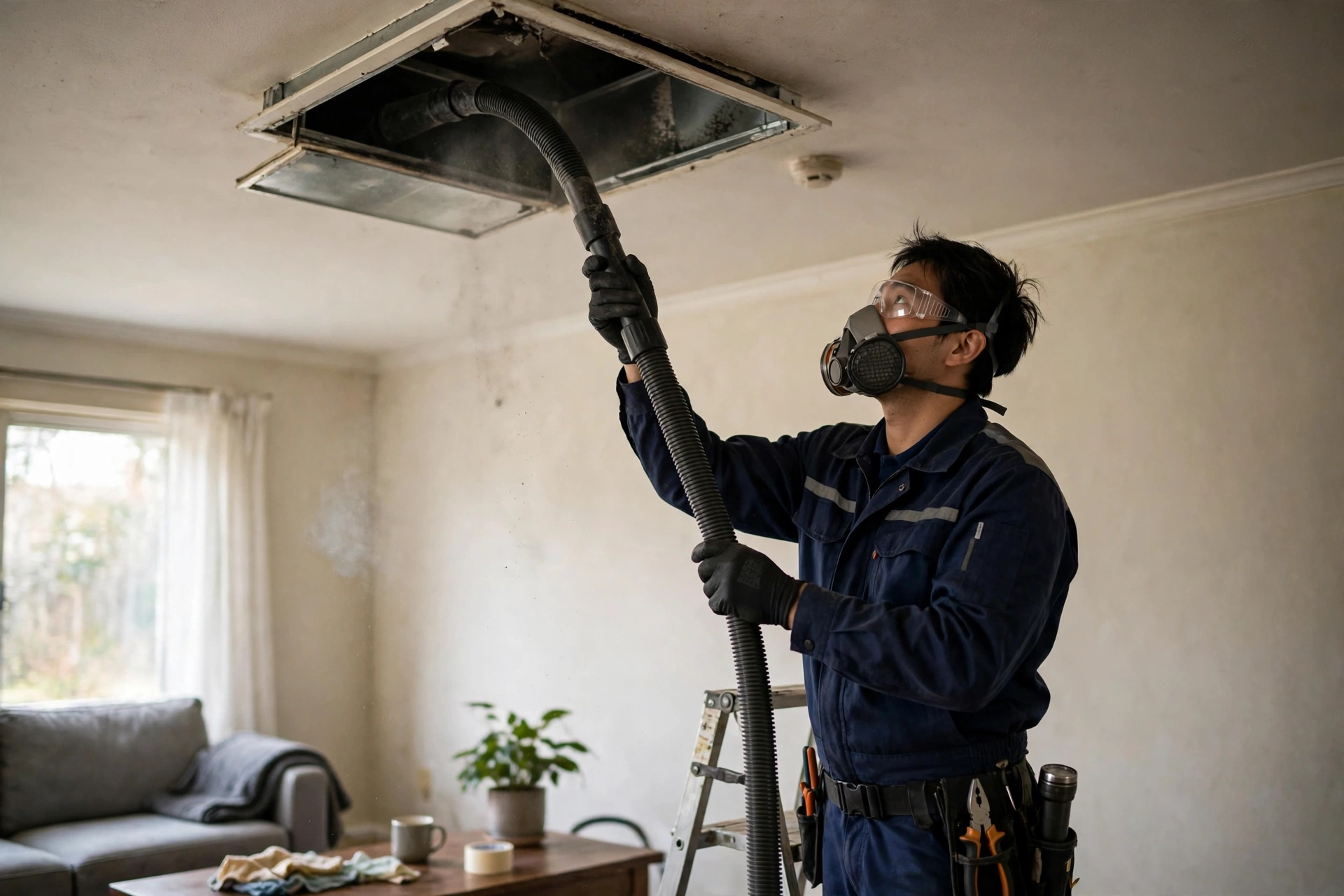
3. Address the HVAC system. Ducts, coils, and the air handler get cleaned so the system stops recirculating odor into every room. In many homes this step alone accounts for a large share of the improvement — which is why a proper air duct cleaning is usually part of a smoke job, not an optional extra.
4. Seal what cannot be cleaned. When staining has penetrated too deep — framing near the fire, for example — technicians apply odor-blocking primers that lock remaining compounds behind a sealed barrier before repainting.
The exact combination depends on what burned. A protein fire from a kitchen mishap leaves a nearly invisible but pungent residue that behaves completely differently from wood smoke, and the treatment plan is adjusted accordingly.
Where the smell hides: the spots people miss
When odor survives a round of cleaning, it is almost always hiding in one of these places:
- Carpet padding and upholstery foam. The surface fabric looks clean; the padding underneath holds the smell.
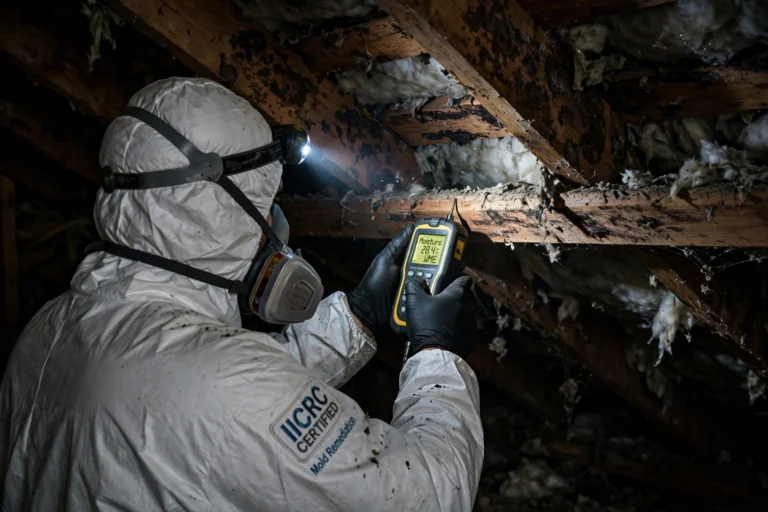
- Attic insulation. Smoke rises, and insulation acts like a sponge for it.
- Inside the ductwork and air handler. The distribution network for the whole house.
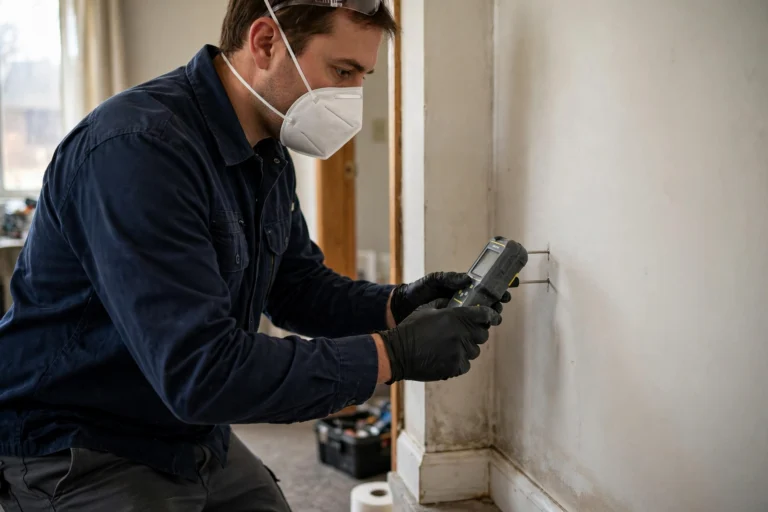
- Wall cavities near the fire. Odor travels behind switch plates and into gaps you cannot see.
- Enclosed spaces. Closets, kitchen cabinets, and drawers concentrate odor because air never circulates through them.
- Soft goods. Draperies, mattresses, and clothing absorb smoke readily and release it slowly.
When to call a professional
Call when the smell survives your best cleaning effort, when more than one room is affected, or when the HVAC ran during or after the fire — that last one almost guarantees the odor has gone systemic. Households with anyone sensitive to airborne irritants should not wait, either. And if you are preparing to sell or rent, know that buyers notice smoke odor within seconds of walking in.
For the full picture of what happens from the first call through final clearance, read our fire restoration walkthrough — or reach our fire damage restoration team directly at (504) 520-4646, any time. We respond 24/7 across Greater New Orleans.
Frequently asked questions
How long does smoke odor last in a house?
Without treatment, it can linger for months — and in a humid climate like ours, it can seem to come and go with the weather as moisture reactivates trapped compounds. Once the source residue is removed and the space is professionally treated, the odor is gone for good.
Can I remove smoke odor myself?
For a faint smell after a very minor incident, thorough cleaning plus sustained ventilation sometimes does it. For anything beyond that — whole rooms, soft furnishings, or an HVAC system that ran during the fire — household methods cannot reach where the odor lives.
Does painting get rid of smoke smell?
Not on its own. Standard paint traps the odor temporarily and it eventually bleeds back through. Paint works as the final step only: clean first, then apply a dedicated odor-sealing primer, then topcoat.
Will my HVAC system spread smoke odor through the house?
Yes. Ductwork collects smoke particles and redistributes the smell every time the system runs, including to rooms the fire never reached. Duct and air-handler cleaning is a standard part of professional smoke odor work.
Is ozone treatment safe?
In trained hands, yes — but only in unoccupied spaces, with the building aired out before anyone returns. That is why professionals often prefer hydroxyl generators for homes people are still living in; they work more gradually and are safe around occupants.