Walk through a Garden District foyer or a renovated French Quarter kitchen and you will see it: marble floors and counters that caught someone’s eye the day they were installed. Give it a few years of New Orleans living — humid summers, hard tap water, sandy shoes from the neutral ground, and the occasional spilled cocktail — and that same stone can look tired, cloudy, and dull. The good news is that dull marble is rarely ruined marble. Professional marble restoration can bring the shine back without tearing anything out.
Why marble loses its shine in New Orleans homes
Marble is a natural stone, which means it is softer and more porous than granite or quartz. Three local realities wear it down faster here than in drier climates.
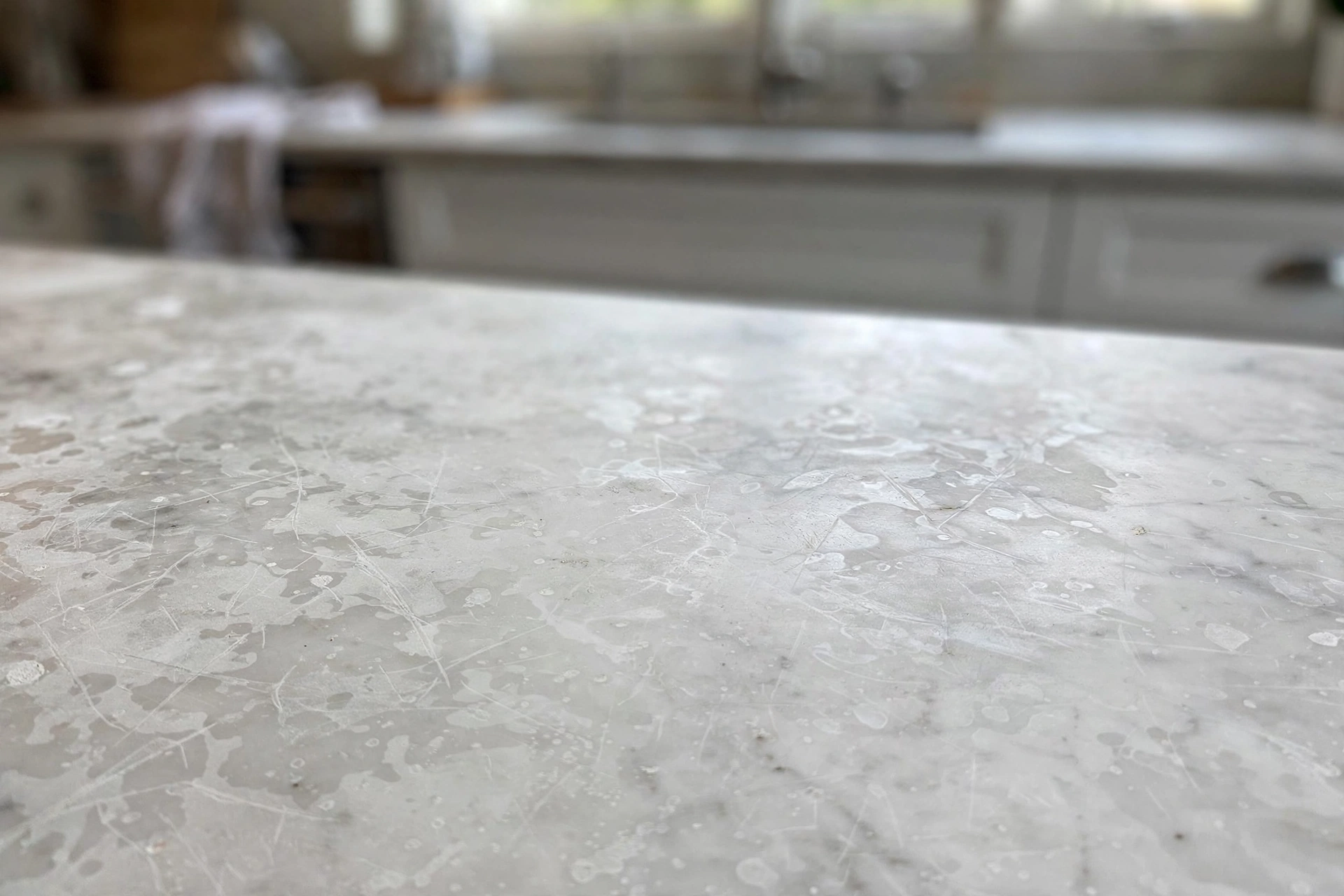
Acidic spills etch the surface. Lemon juice, wine, vinegar, tomato sauce, and many household cleaners are acidic enough to dissolve the polished surface of marble on contact. The result is a pale, dull spot called an etch mark — not a stain sitting on top of the stone, but actual damage to the finish.
Grit and foot traffic grind it down. Sand and grit tracked in from outside act like sandpaper underfoot. Over time, high-traffic paths across a marble foyer or hallway develop a hazy, worn look as the polish is slowly abraded away.
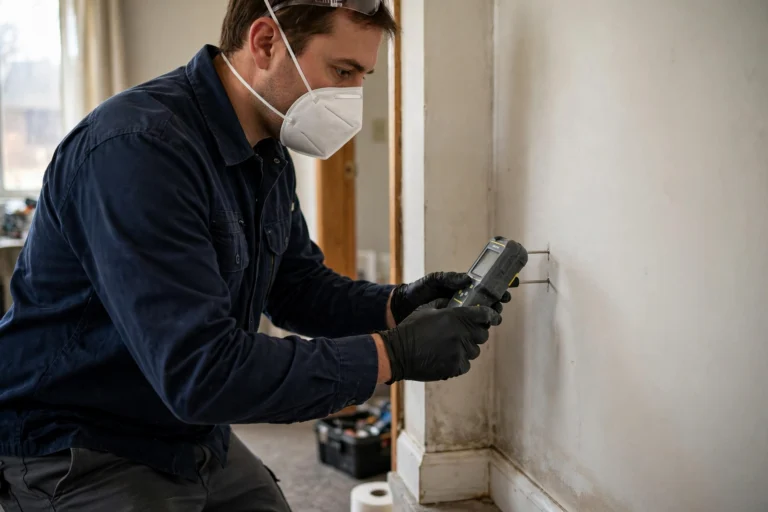
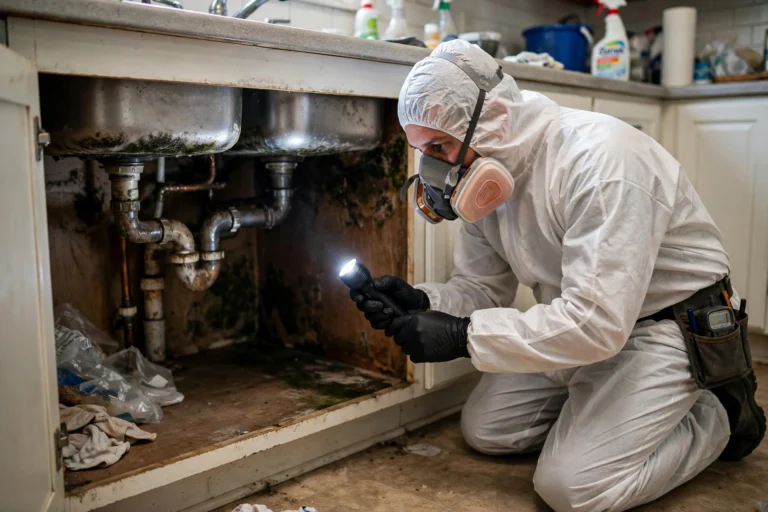
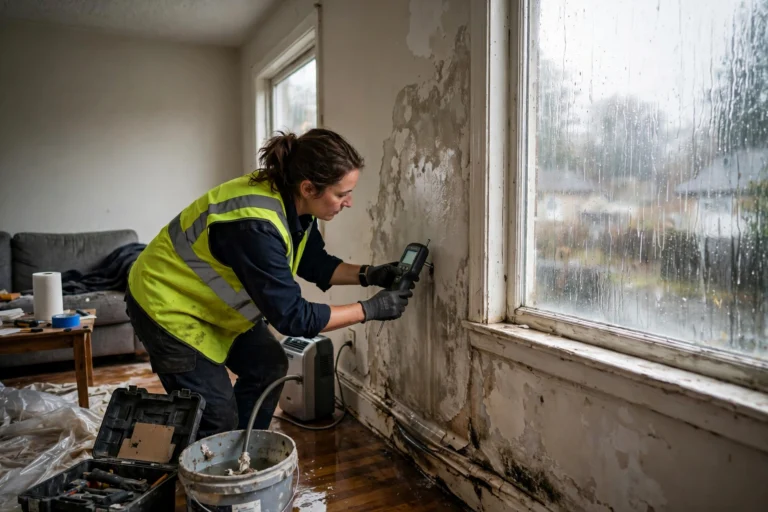
Hard water and humidity leave their mark. New Orleans tap water leaves mineral deposits on stone around sinks and showers, and standing water that seeps into unsealed stone can cause discoloration from below. Catching hidden water damage early matters for stone just as much as for drywall — moisture problems show up in floors too.
5 signs your stone needs professional restoration
You do not need to guess. These are the clear signs a simple cleaning will not fix:
- The finish looks cloudy or hazy, even right after mopping or wiping. That milkiness is worn polish, and no cleaner restores it.
- Etch marks from everyday spills — pale rings or spots where something acidic sat on the surface.
- Stains that keep coming back after cleaning, especially around sinks, in showers, or under plant pots. The stone’s sealer has worn off and the pores are absorbing liquid.
- Visible scratches, often from chair legs, pet claws, or grit dragged across the floor.
- Uneven shine — the center of the room gleams while the walkways look flat. That traffic pattern is the textbook sign the finish is worn through.
If you are seeing two or more of these, the stone is past the point where a polish cream from the hardware store will help.
What professional marble restoration actually involves
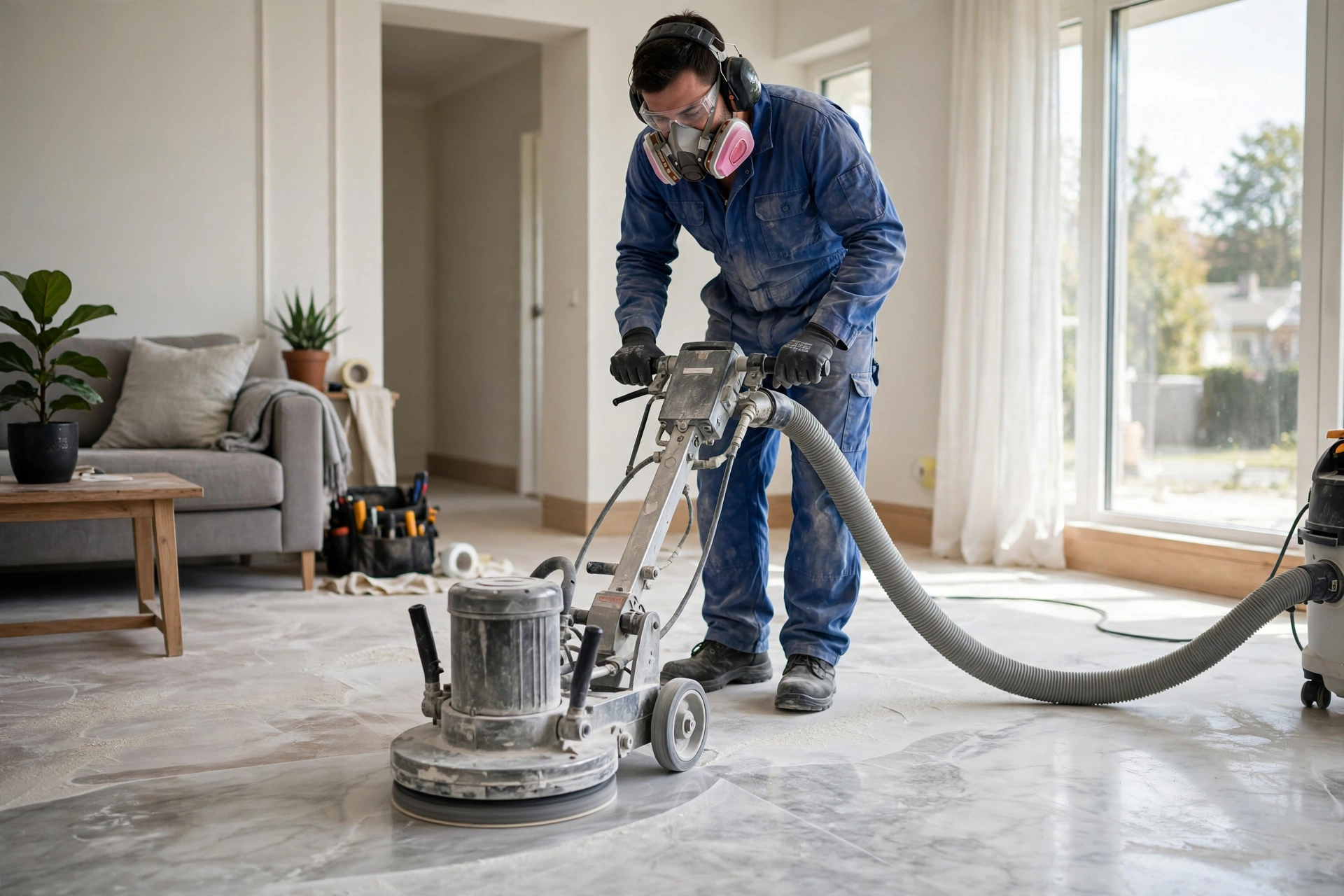
Marble restoration services follow a sequence, and skipping steps is where DIY attempts usually fail.
Assessment first. A technician looks at the stone type, the depth of the damage, and whether there are underlying issues like moisture or cracked grout. Marble, travertine, and limestone each respond to different abrasives, so identification matters.
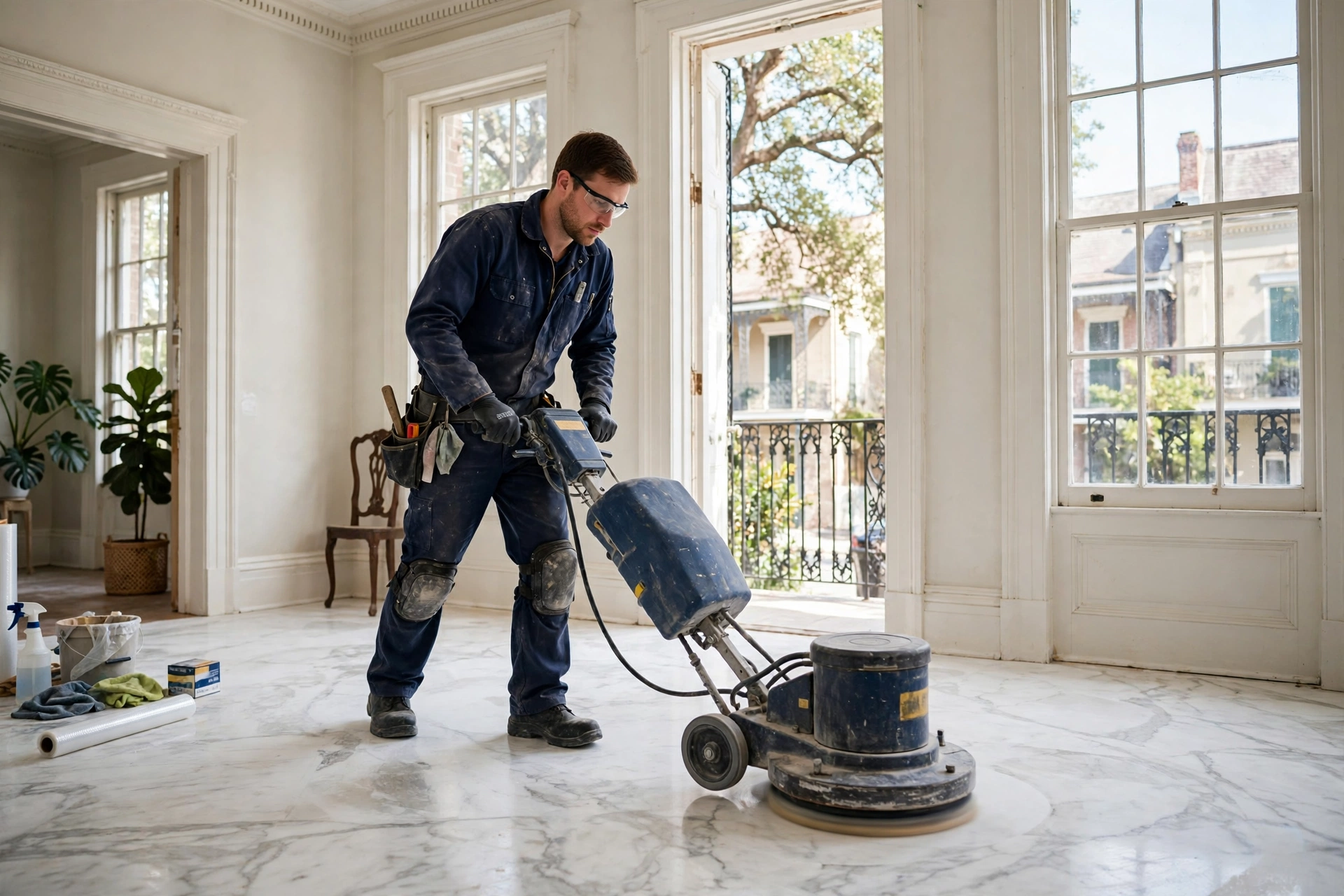
Honing. Diamond abrasives grind away the damaged top layer of the stone — the etch marks, light scratches, and worn finish — until the surface is uniformly smooth again. This is the step that actually removes damage rather than covering it.
Polishing. Finer and finer abrasives bring the shine back, from a soft satin finish to a mirror gloss, depending on what you prefer and what suits the space.
Sealing. A penetrating sealer fills the stone’s pores so spills bead up instead of soaking in. Sealer does not make marble stain-proof, but it buys you the time to wipe up a spill before it becomes a stain.
Done properly, stone restoration does not change the character of your floors or counters — it returns them to the look they had when they were new.
Marble, travertine, and limestone need different care
Not every “marble” floor in New Orleans is actually marble. Travertine — common in bathrooms and patios — has natural pits that collect dirt and needs filling before it can be polished. Limestone is softer than marble and scratches more easily. Terrazzo, found in many older New Orleans commercial buildings and some homes, restores beautifully but requires its own process.
This matters because a one-size-fits-all polishing kit cannot tell the difference. Using the wrong abrasive or the wrong chemical on travertine or limestone can make the damage worse. Part of a professional assessment is simply identifying what stone you have before anyone touches it.
Keeping restored stone beautiful
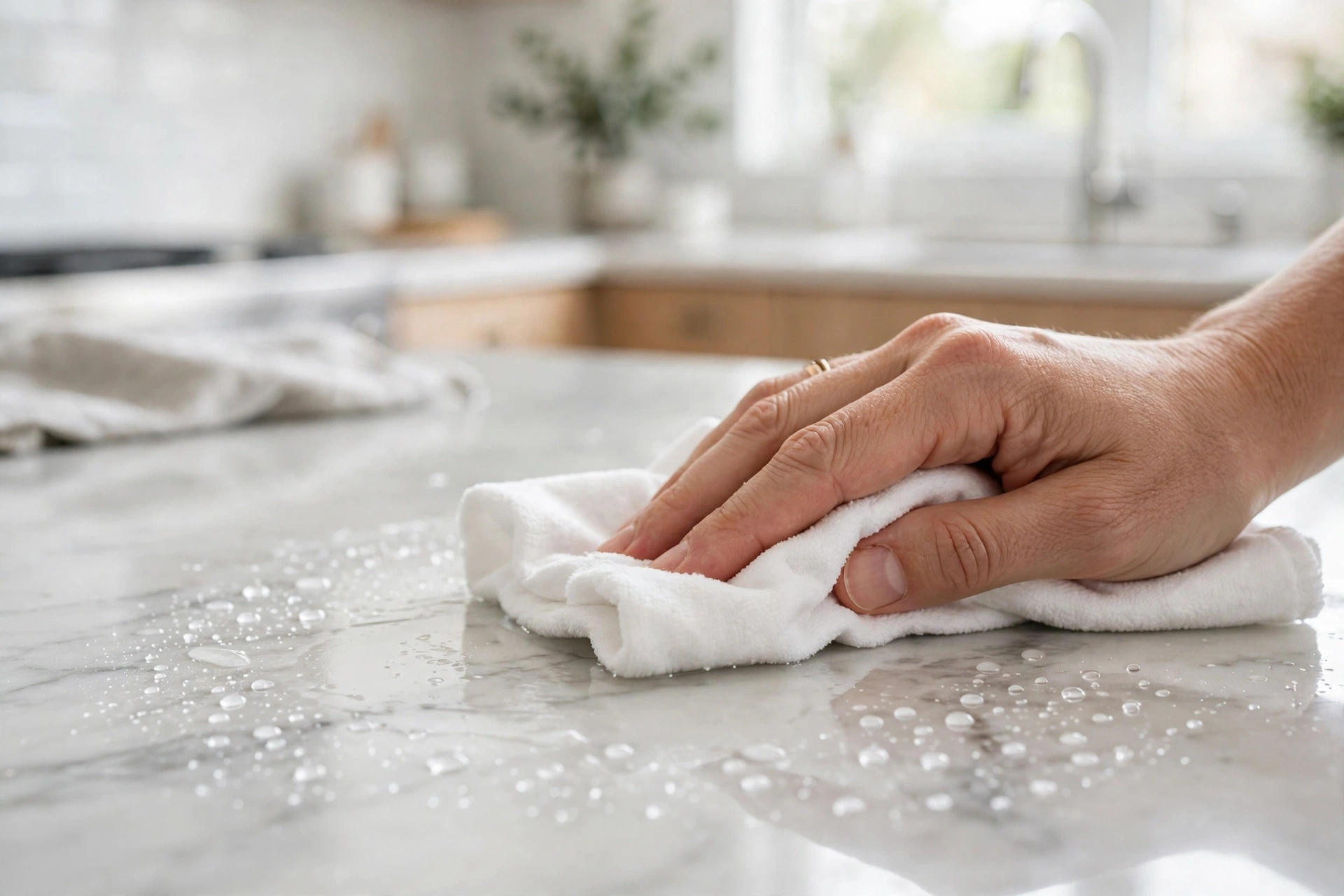
Restoration is an investment, and a few habits protect it:
- Wipe spills promptly, especially anything acidic — wine, citrus, vinegar, tomato.
- Use pH-neutral stone cleaner, not vinegar, bleach, or all-purpose sprays. Read the label; if it does not say safe for marble, assume it is not.
- Use mats and felt pads under entryways, chair legs, and heavy planters.
- Re-seal on schedule. A simple test: flick a few drops of water on the stone. If they bead up, the sealer is working. If the water darkens the stone within minutes, it is time to re-seal.
- Skip the DIY grinding. Light maintenance is fine, but aggressive polishing or acidic “descaling” products are among the costly mistakes homeowners make with stone — they strip the finish you just paid to restore.
When to call a professional
If the dullness covers a whole room, etch marks are everywhere, or stains return no matter what you try, that is the point to bring in a stone restoration team rather than buying another bottle of polish. A proper restoration costs less than replacement, creates far less disruption, and the results last for years with basic maintenance.
Our IICRC-certified team restores marble, travertine, limestone, and terrazzo across Greater New Orleans — floors, counters, showers, and entryways. Call (504) 520-4646 any time; we respond 24/7 with a goal of being on-site within 60 minutes of your call.
Frequently asked questions
How much does marble restoration cost in New Orleans?
It depends on the square footage, the stone type, and how deep the damage goes — a lightly dulled hallway costs less to restore than a deeply etched kitchen with staining. An on-site assessment is the only way to get an accurate figure, since the price reflects your stone’s actual condition.
Can I polish marble myself with store-bought products?
For light maintenance, yes — a quality marble polish can refresh a surface that is in good shape. But store products cannot remove etch marks, deep scratches, or worn-through finish, and the wrong product (anything acidic or overly abrasive) can damage the stone further.
Will restoration remove etch marks from lemon juice or wine?
Yes. Etch marks are damage to the finish, not stains, and honing removes the damaged layer of stone entirely. This is one of the most common reasons homeowners call for restoration.
How long does marble restoration take?
Most residential jobs take a day or two depending on the size of the area and the condition of the stone. You can usually walk on the floors the same day the work finishes, though the sealer needs its full cure time before heavy use.
How often should marble be resealed?
In a busy kitchen or bathroom, roughly once a year is a sensible rhythm; low-traffic areas can go longer. Use the water-drop test described above rather than the calendar — when water stops beading, it is time.