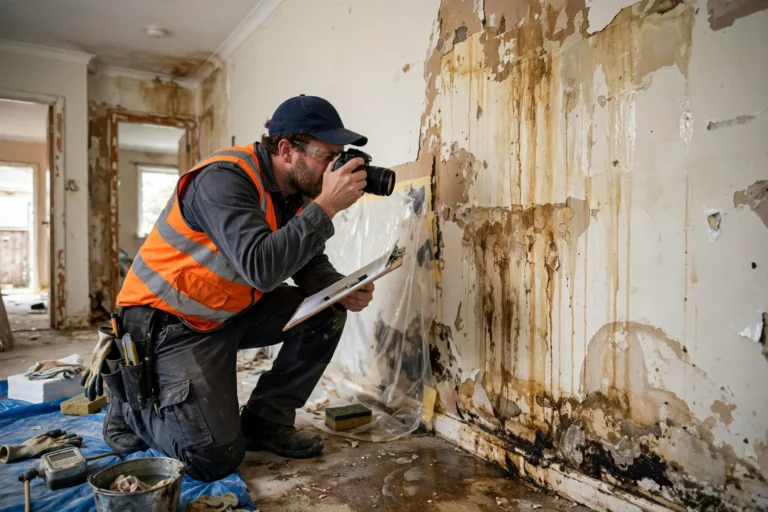
In New Orleans, mold rarely waits for an invitation. Year-round humidity, heavy rain, older housing stock, and storm seasons mean mold can take hold inside walls, under sinks, and above ceilings long before you ever see a spot. A professional mold inspection finds it early — before it spreads, before it damages your home, and before a small problem turns into a major remediation project.
But how do you know when an inspection is actually worth scheduling? And what does the inspector do once they arrive? This guide walks through both.
What a Professional Mold Inspection Covers
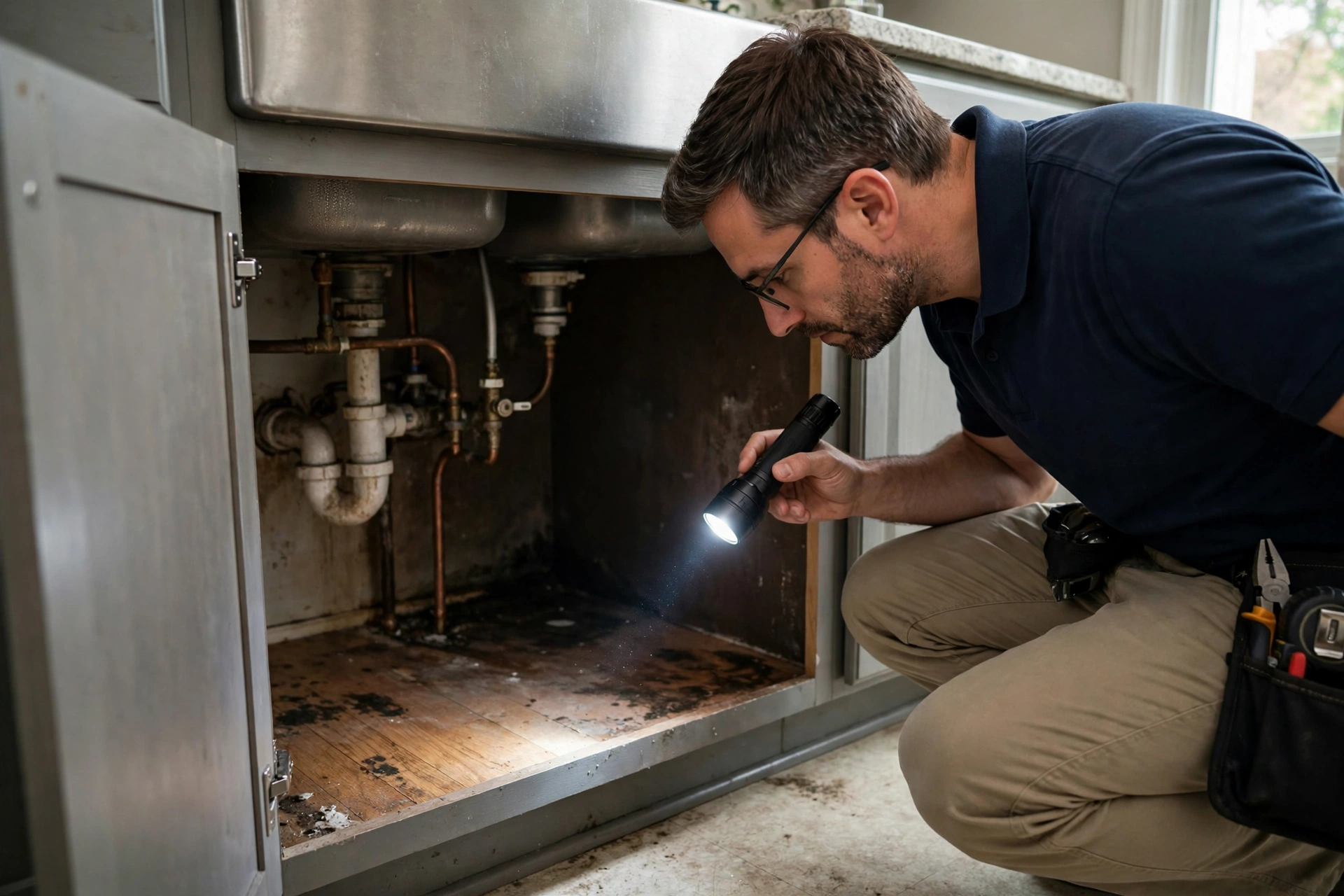
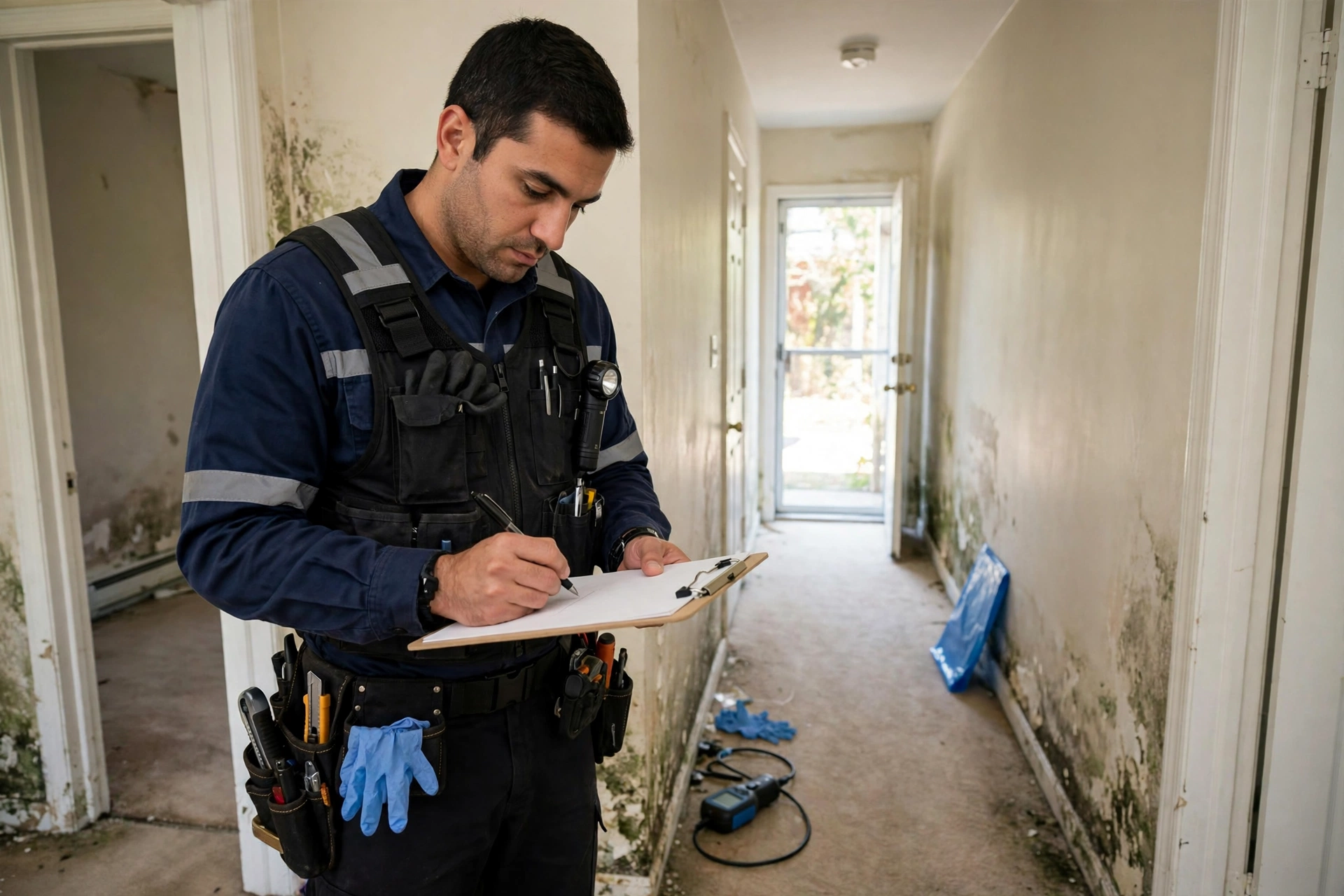
A mold inspection is a systematic hunt for moisture and mold — visible and hidden. A thorough inspection usually includes:
- A visual examination of the rooms most prone to moisture: bathrooms, kitchens, laundry areas, and utility spaces.
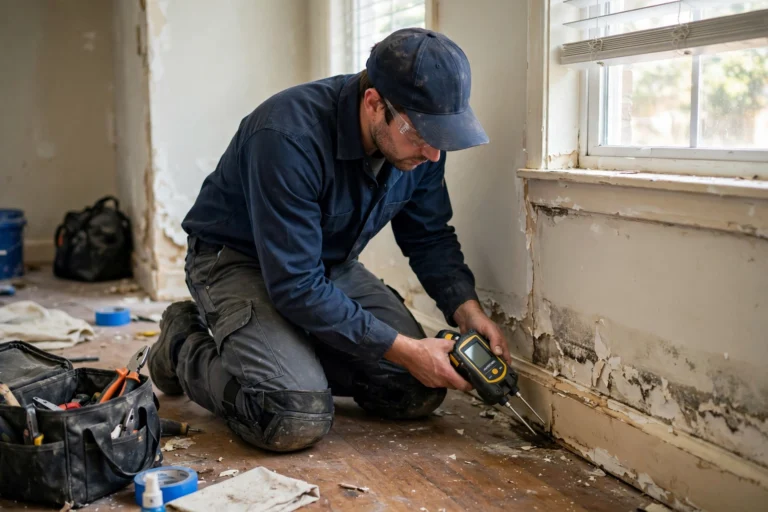
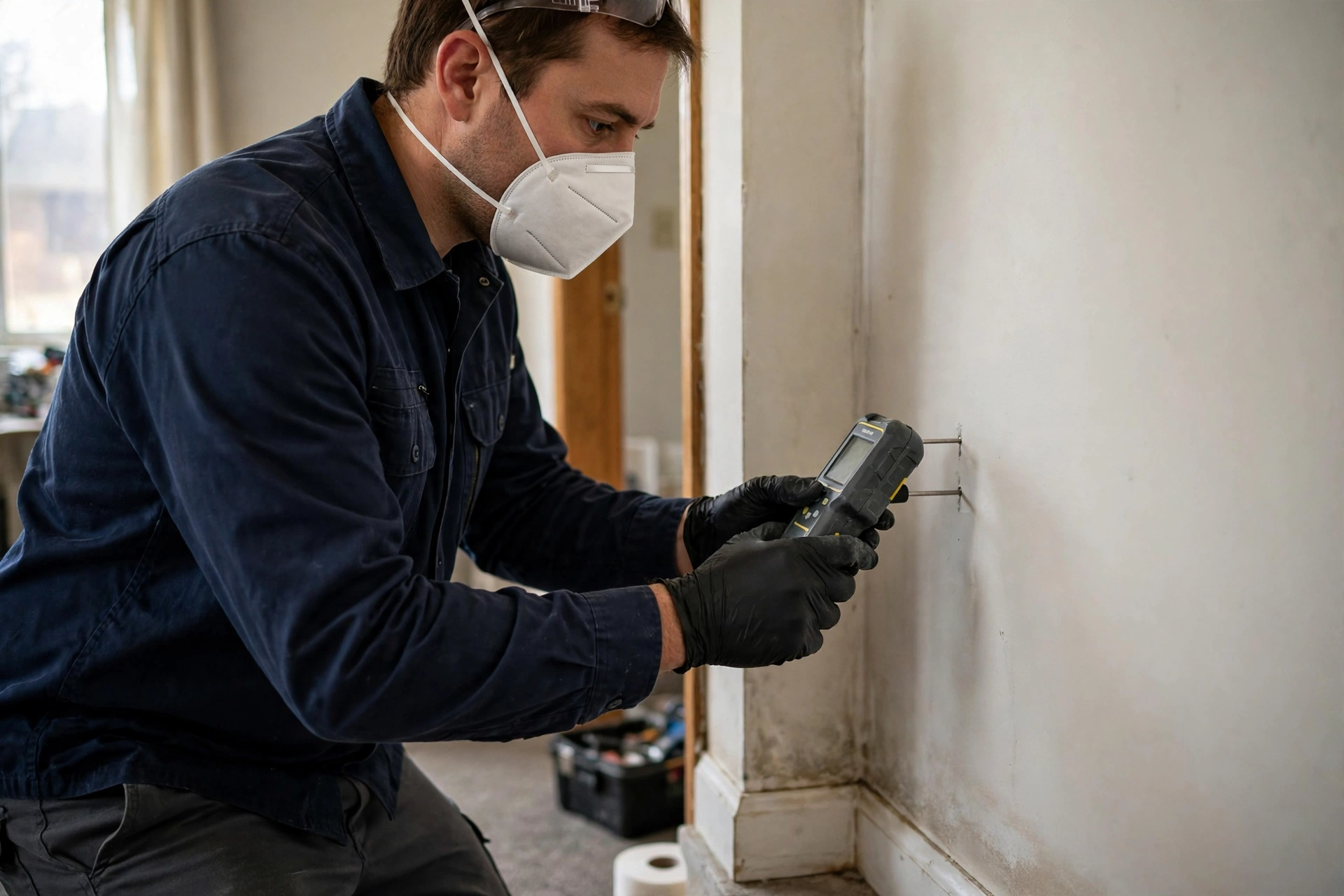
- Moisture readings on walls, ceilings, and floors using handheld meters, which reveal dampness hiding behind paint and drywall.
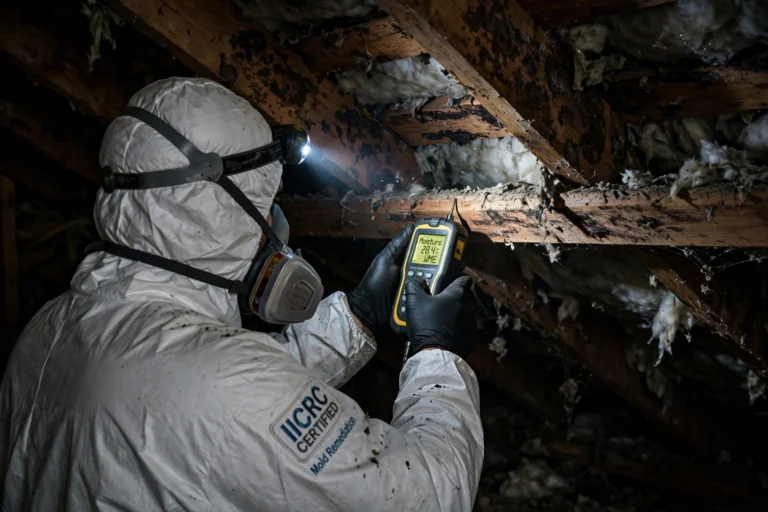
- A look inside accessible attics and crawl spaces, where poor ventilation traps humid air.
- A check of the HVAC system and ductwork, because ducts can spread mold spores through the whole house — which is one reason regular air duct cleaning matters.
- An exterior walk-around: grading, gutters, and roof areas that let water in.
- Air or surface samples only when needed to confirm a suspicion — the inspection itself is what locates the problem.
- A written summary of findings and recommended next steps.
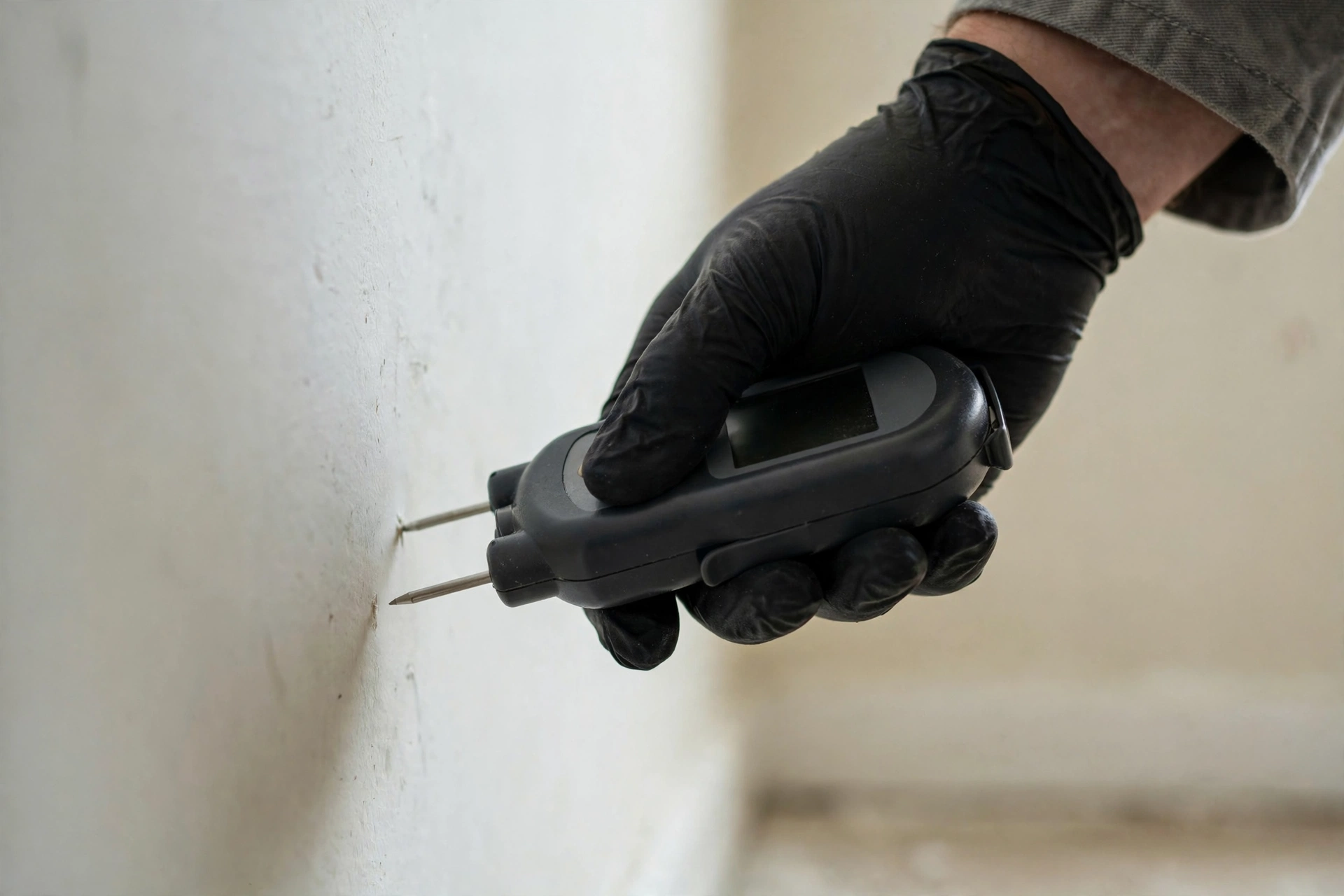
The point of all this is simple: find the moisture source, map how far the mold has spread, and give you a clear picture of what mold remediation — if any — is actually needed.
7 Signs Your New Orleans Home Needs a Mold Inspection
- A musty smell that won’t go away. That damp, earthy odor is often the first clue — and it usually means mold is growing somewhere you can’t see. Our musty smell guide breaks down the most common causes after heavy rain.
- Visible spots or staining. Discoloration on walls, ceilings, or grout deserves a closer look, even if it looks small.
- Recent water damage or flooding. After a leak, burst pipe, or flood, mold can start growing within a day or two. An inspection confirms whether drying was truly complete — which is exactly what professional water damage restoration is designed to ensure.
- Warping, bubbling, or peeling surfaces. Paint that bubbles or flooring that warps often signals moisture trapped underneath.
- Allergy-like symptoms that ease when you leave home. Sneezing, itchy eyes, or congestion that improves outdoors can point to indoor mold — worth investigating rather than guessing.
- You’re buying (or selling) a home. In a humid market like New Orleans, an inspection protects both sides from surprise remediation costs after closing.
- After a storm or roof leak. Wind-driven rain finds weak points in roofs and flashing; an inspection catches what the eye misses.
If two or more of these sound familiar, don’t wait for the problem to announce itself.
Mold Inspection vs. Mold Testing: What’s the Difference?
People often use the two terms interchangeably, but they answer different questions. An inspection finds where mold is growing, how far it has spread, and what’s feeding it — moisture. Testing (air or surface samples sent to a lab) identifies the type of mold and its concentration.
For most homeowners, the inspection comes first. It tells you whether you even have a problem worth testing, and it pinpoints the source so remediation actually solves it instead of just treating symptoms. Testing without an inspection is like getting a lab result with no diagnosis.
What Happens After the Inspection
Once the inspection is complete, you’ll have a findings report. What comes next depends on what it shows:
- No mold found: you get peace of mind — plus notes on moisture risks to watch, like that slow bathroom leak or the unvented crawl space.
- Small, contained growth: the report will outline cleanup steps. Surface-level cases may be manageable, but anything inside walls, HVAC, or beyond a small patch calls for professionals.
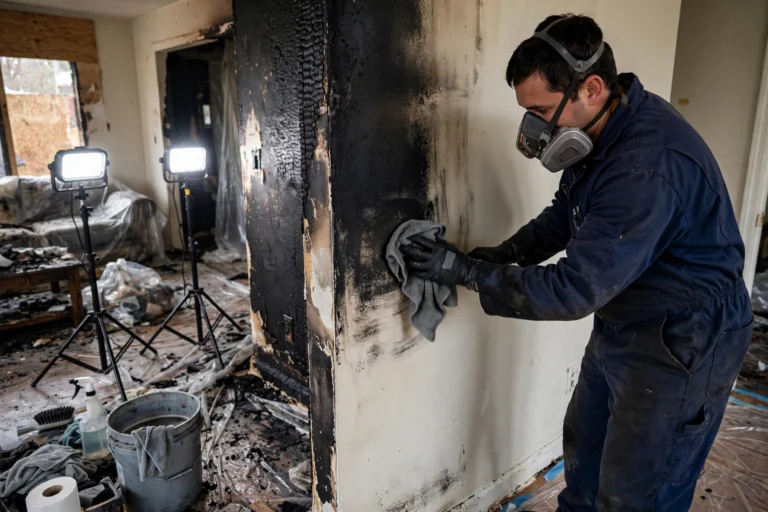
- Widespread or hidden mold: this is where professional mold remediation comes in — containment, removal, drying, and fixing the moisture source so it doesn’t return.
If the inspector flags your attic or crawl space specifically, our attic mold guide explains what remediation in those tight spaces involves. And if black mold is the concern, read up on black mold risks before deciding your next step.
How to Prepare for Your Mold Inspection
A little preparation makes the visit faster and more accurate:
- Clear access to the attic hatch, crawl space entry, HVAC unit, and under-sink cabinets.
- Make a list of everywhere you’ve noticed smells, stains, or past leaks — your observations guide the inspector.
- Don’t scrub or bleach suspected mold beforehand; disturbing it can spread spores and hide evidence the inspector needs.
- Keep pets secured and plan to be available for questions.
Frequently Asked Questions
How long does a mold inspection take?
For an average single-family home, expect one to two hours. Larger homes, or homes with attics and crawl spaces to check, can take longer.
Do I need to leave my home during the inspection?
No. You can stay, and it’s actually helpful — the inspector may ask about leaks, smells, or the home’s history.
Will the inspector cut into my walls?
A standard inspection is non-invasive. If hidden mold is strongly suspected, the inspector will discuss options with you first — nothing gets opened without your approval.
What’s the difference between a mold inspection and mold remediation?
Inspection finds and assesses the mold; remediation removes it and fixes the moisture source. You need the first to plan the second properly.
How often should New Orleans homes get a mold inspection?
There’s no fixed schedule, but given the local humidity, it’s smart to schedule one after any water event — leaks, flooding, or storm damage — and to have moisture-prone areas checked periodically.
If your home shows any of the warning signs above, a professional inspection is the fastest way to get answers. Our team serves New Orleans homeowners every day — call (504) 520-4646 to schedule yours, and get a clear plan before a small patch becomes a big project.