New Orleans is rough on HVAC systems. Nine months of heat and humidity, a long hurricane season, and houses that range from century-old Creole cottages to new slab construction — your air ducts collect more than you think. Add in the dust the first cold front of the season just pushed through every vent in the city, and fall is a good time to look at what’s actually inside your ductwork.
Air duct cleaning isn’t a routine service every home needs on a schedule. But when ducts are dirty, your home will tell you. Here are seven signs yours are due — and what professional cleaning actually involves in a New Orleans home.
1. Dust reappears on vents and surfaces within days of cleaning
Every home has dust. But if you wipe down registers and find a gray film back within a few days, or if dust collects on furniture in a day or two despite clean filters, dirty ductwork is a likely source. Supply ducts coated in dust keep redistributing it every time the system runs.
2. Musty or stale smell comes out of the vents
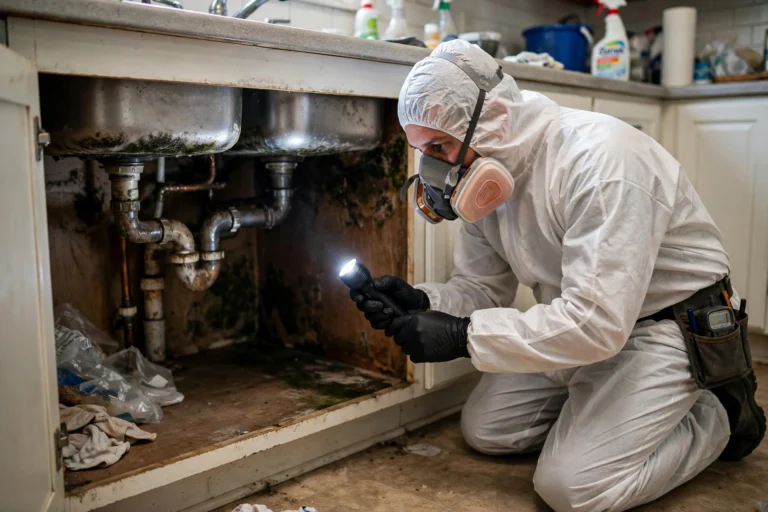
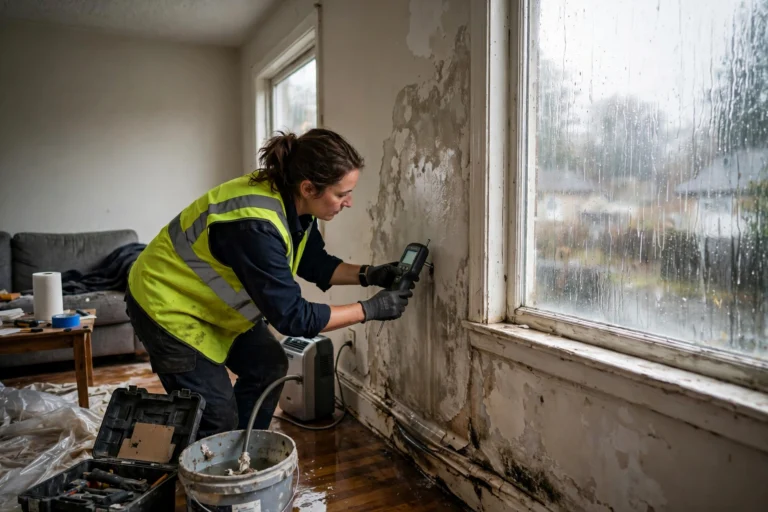
When the air handler starts up, pay attention to the first few minutes. A musty odor from the vents points to moisture somewhere in the duct system — and in New Orleans humidity, a damp duct can grow mold on the inner liner or insulation. Persistent mustiness is one of the strongest reasons to have ducts inspected. For what moisture can do elsewhere in a home, see our musty smell guide
3. Visible debris or growth inside a supply register
Remove one supply register and look inside with a flashlight. You should see sheet metal or flex liner, maybe with a light dust coating. If you see clumps of debris, pest droppings, or dark growth on the surfaces, the ducts need professional attention — especially the growth, which may need mold remediation expertise rather than a standard cleaning.
4. Rooms heat or cool unevenly
One bedroom stays warm while the next is ice cold? Dirty ducts aren’t the only cause of uneven airflow — crushed flex runs, disconnected joints, and under-sized returns are common in older New Orleans homes too. But heavy dust buildup narrows passages and reduces airflow, and a professional cleaning inspection catches those duct defects at the same time.
5. You’ve just finished construction, renovation, or storm repairs
Drywall dust, sawdust, and insulation fibers are fine enough to settle deep into ductwork, and they don’t come out with regular filter changes. Any home that went through renovation work, or that had ceiling and wall repairs after storm damage, should have ducts cleaned afterward. Contractors should seal registers during work, but few do it perfectly.
6. Pets, recent water damage, or smoking in the home
Pet dander circulates through ducts constantly. A water damage restoration event — a burst supply line, an AC condensate leak, a roof leak from storm season — can leave damp sections of duct liner behind. And smoke from a house fire or even heavy fireplace use coats duct interiors with soot that keeps circulating long after the event; that may call for smoke damage cleanup rather than a standard cleaning.
7. Energy bills creep up without an obvious reason
This one is indirect. Very dirty coils and restricted ducts make the system work harder, which shows up on the electric bill. Rising bills alone don’t prove the ducts are the cause — but paired with weak airflow at the registers or a system that runs constantly without reaching temperature, duct cleaning is worth checking.
What professional air duct cleaning actually involves
A proper cleaning is not a leaf blower at the vents. Here’s what the process looks like:
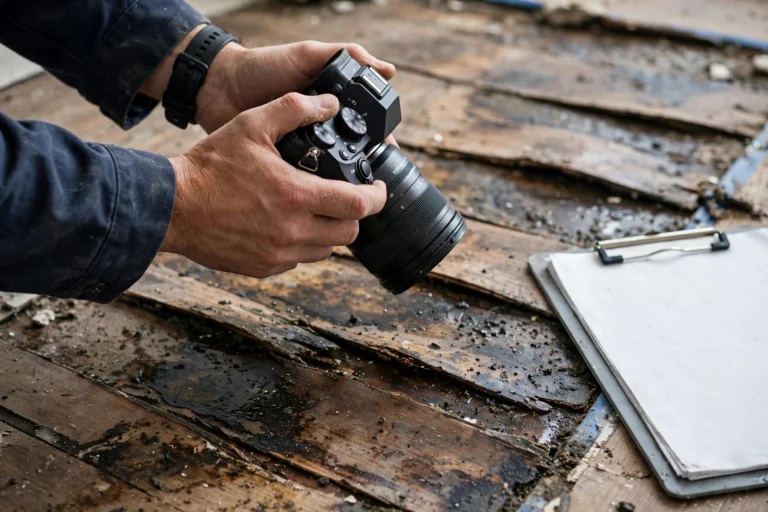
Inspection first. The technician checks accessible duct sections, the air handler, coils, and return boxes for dust load, damage, disconnected runs, and any signs of mold or pests.
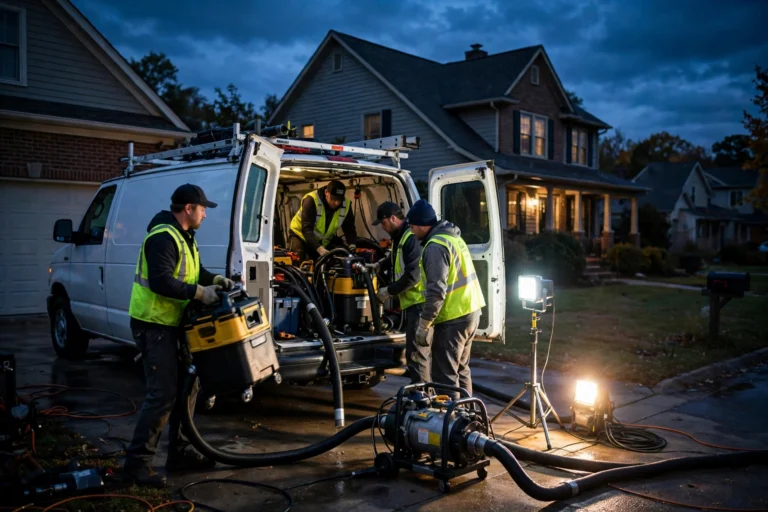
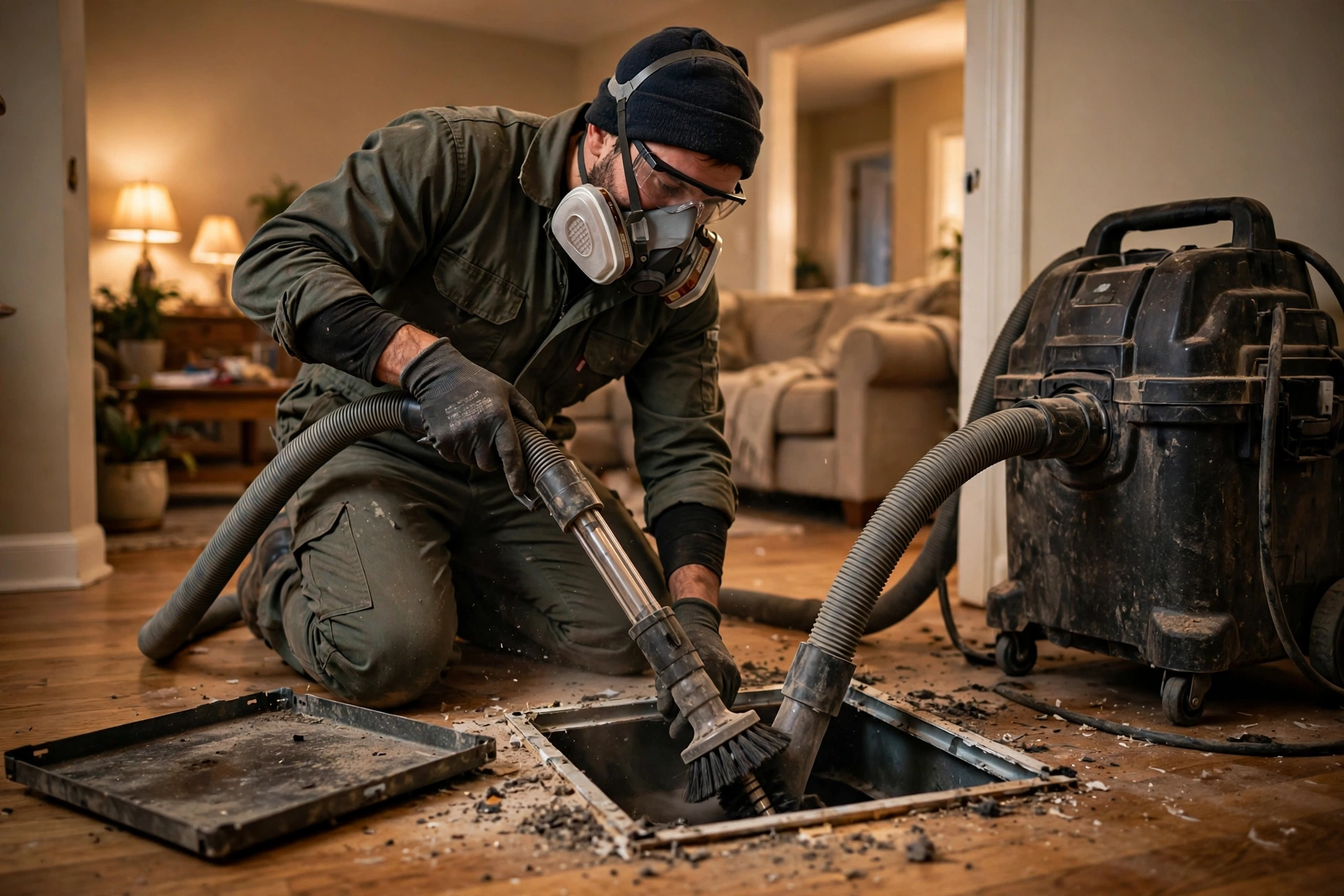
Containment and negative pressure. The system is shut down, registers are sealed, and a high-powered vacuum is connected to the duct trunk to put the whole system under negative pressure. This is what keeps loosened dust from blowing into your home during cleaning.
Agitation. Rotating brushes, compressed-air whips, or skipper balls work loose the debris clinging to duct walls — flex duct, sheet metal, and duct board each need the right tool, since the wrong agitation tears flex liner or duct board.
Registers, grilles, and the air handler. Supply registers come off for cleaning, and the blower compartment, coils, and drain pan get cleaned if they’re dirty. A clogged condensate drain in a New Orleans summer can cause its own water problems, so this step matters here more than most places.
Optional sanitizer — not a requirement. Some companies offer an EPA-registered antimicrobial fog after cleaning. It can make sense if mold was found and removed, but it’s not automatically needed for a dust-only cleaning. Ask why they’re recommending it.
When to call a professional
Call when you see two or more of the signs above, when there’s visible growth or debris inside ducts, after any water event near the air handler, or after renovation work. An honest inspection will tell you whether cleaning is actually warranted — a good technician will say so if your ducts are fine.
If musty odors persist after cleaning, the source may be deeper — in wall cavities, under flooring, or in an attic or crawl space, where moisture problems start. And if your ducts show mold growth, treat it as a mold problem first and a cleaning problem second.
For professional air duct cleaning in the Greater New Orleans area, our IICRC-certified team inspects before we clean — and we’ll tell you straight if your ducts don’t need it. Call (504) 520-4646 — 24/7, with on-site response targeted within 60 minutes.
FAQ
How often should air ducts be cleaned in New Orleans?
There’s no fixed schedule that fits every home. Most homes benefit from inspection every few years and cleaning only when there’s a reason — visible dust buildup, moisture, pest evidence, renovation work, or persistent odors. Homes with pets, allergy sufferers, or recent water damage may need it more often.
Can I clean my air ducts myself?
You can clean registers and vacuum the first few inches of accessible duct, but effective cleaning requires the system under negative pressure with professional agitation tools. Without that setup, DIY efforts mostly push dust deeper into the system.
Does air duct cleaning help with allergies?
Cleaning removes accumulated dust, pet dander, and debris from the duct system, which reduces what the system recirculates. It doesn’t treat the home’s other dust sources — bedding, upholstery, and outdoor air brought in by leaks — so it works best as part of overall indoor air care, not a standalone cure.
Is there mold in my ducts if the vents smell musty?
A musty smell from the vents is a reason to inspect, not a diagnosis. The moisture could be in the duct liner, the drain pan, the air handler cabinet, or somewhere else entirely. A professional inspection with a camera can confirm what’s actually growing and where.
Will duct cleaning damage my ducts?
Not when done with the right tools. Sheet metal, flex duct, and duct board each need different agitation methods, which is why a technician should identify your duct type during inspection. Improper tools — especially aggressive brushes in flex duct — can tear liners and make things worse.