
10 Things Every New Orleans Homeowner Should Do After Flooding
A step-by-step guide to flood cleanup, water extraction, safety, and restoration — written for New Orleans properties and conditions.
Flooding is not a rare event in New Orleans — it is a recurring reality. With over 60 inches of rainfall annually, a location largely below sea level, and hurricane season running from June through November, water intrusion affects tens of thousands of homes and businesses every year across Orleans, Jefferson, and St. Bernard Parishes.
When floodwater enters your home, the decisions you make in the first 24 to 72 hours determine how much damage you ultimately deal with — and how much of it your insurance will cover. This guide walks you through exactly what to do after flooding, step by step, based on what professional restoration technicians see on the ground every day across Greater New Orleans.
Ensure Your Safety Before Entering the Property
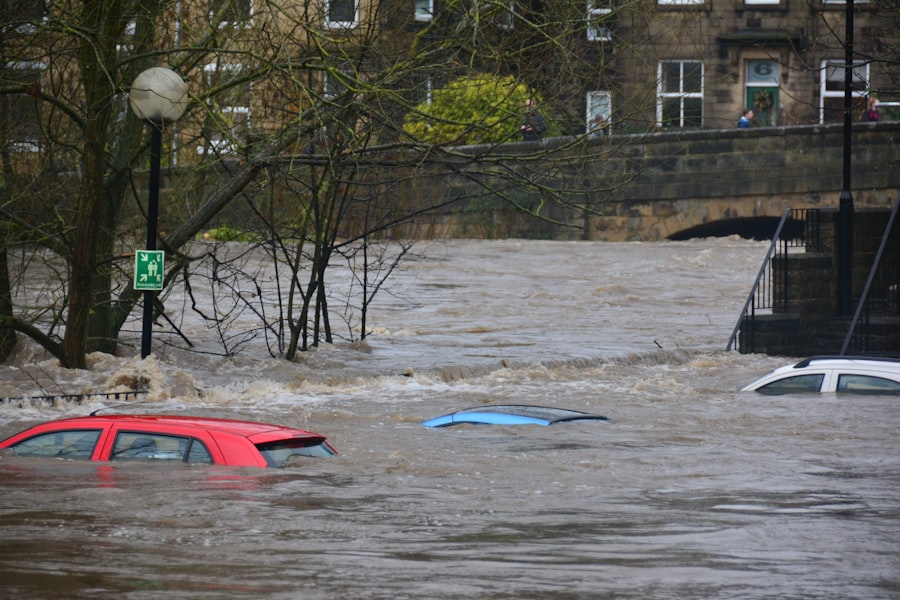
Before you walk back into a flooded home, stop. Floodwater in New Orleans is rarely clean. It frequently contains raw sewage from overwhelmed drainage systems, chemicals washed from streets and neighboring properties, sharp debris, and electrical hazards. Re-entering too quickly is one of the most dangerous mistakes homeowners make after a flood event.
- Do not enter if water is still rising or the structure appears unstable
- Turn off the main electrical breaker before stepping inside — do not do this if you have to stand in water to reach the panel
- Do not use open flames, candles, or gas appliances — gas lines may be compromised
- Wear rubber boots, waterproof gloves, and an N95 mask before entering any flooded space
- Check for structural damage — cracked walls, sagging ceilings, or shifted foundations
- Have someone with you — never enter a flood-damaged structure alone
Document Everything Before Touching Anything
Your insurance claim lives or dies by your documentation. Before you move a single piece of furniture, before you start any flood cleanup, take a complete visual record of every affected area. Adjusters look for comprehensive evidence — and gaps in documentation give them grounds to reduce or deny your claim.
📋 Flood Documentation Checklist
- Take photos and videos of every room from multiple angles before cleanup begins
- Photograph the water line on walls to document flood depth in each area
- Record serial numbers and model numbers of damaged appliances and electronics
- Photograph all damaged furniture, flooring, cabinetry, and personal property
- Document damage to structural elements — walls, floors, ceilings, framing
- Keep all damaged items in place until your adjuster gives clearance
- Note the date and time flood water entered and when it receded
- Keep receipts for all emergency supplies and temporary repairs
- Write down the names of any contractors or emergency responders who visit
- Do not sign any contractor agreements until you have spoken with your insurer
Contact Your Insurance Company Immediately
Call your insurance company on the same day the flooding occurs or the same day you return to the property — whichever comes first. Most homeowner’s insurance policies in Louisiana require you to report damage promptly, and delays can complicate your claim. Most standard homeowner’s policies cover sudden and accidental water damage from internal sources, but not flood damage from rising outdoor waters, which requires separate flood insurance through the National Flood Insurance Program (NFIP).
- Report the damage immediately — do not wait for the water to fully recede
- Ask specifically about your flood coverage versus your standard water damage coverage
- Request a claim number and the name of your assigned adjuster
- Ask how long the adjuster has to inspect before you can begin cleanup
- Keep all communication in writing — follow up phone calls with emails
- If you have an NFIP policy, it is separate from your homeowner’s policy — call both
Need Emergency Flood Cleanup Now?
Our IICRC-certified team responds 24/7 with a goal of on-site within 60 minutes across Greater New Orleans.
Begin Water Extraction as Fast as Possible

The single most time-sensitive action after flooding is water extraction. Every hour standing water remains in contact with your floors, walls, and structural materials accelerates deterioration. In New Orleans’ warm, humid climate, mold can begin colonizing wet materials in as little as 24 to 48 hours. Bacterial growth in Category 3 floodwater is even faster.
Consumer wet-dry vacuums are inadequate for meaningful flood extraction. Professional water extraction equipment includes truck-mounted extraction units capable of removing hundreds of gallons per hour, along with submersible pumps for deep standing water scenarios common in New Orleans basements and below-grade spaces.
- Call a professional water extraction company immediately — do not wait for conditions to improve
- If water is still entering, address the source first — a broken pipe, failed sump pump, or backed-up drain
- Open windows and doors to improve airflow once the immediate flood risk has passed
- Remove wet rugs, cushions, and soft furnishings from the home immediately
- Do not run HVAC systems — they will spread contaminated air and mold spores through ductwork
Dry the Structure Completely — Not Just the Surface
Removing visible water is only the beginning of flood damage repair. The real work is drying the structure itself — inside wall cavities, beneath subfloors, behind baseboards, and inside insulation. In New Orleans properties, which often include pier-and-beam construction, raised foundations, and historic plaster walls, moisture traps in areas that simple air drying will never reach.
Professional structural drying uses commercial dehumidifiers, high-velocity air movers, and thermal imaging cameras to monitor moisture levels inside materials until everything is confirmed dry — not just dry on the surface. This is the step most DIY flood cleanup efforts skip, and it is the leading cause of mold problems discovered weeks or months after a flood event.
- Industrial dehumidifiers must run continuously — often for 3 to 7 days minimum
- Moisture readings inside walls should be taken daily and tracked against drying targets
- Insulation behind drywall almost always requires removal — it cannot be effectively dried in place
- Hardwood floors may need specialty drying systems to prevent permanent warping and cupping
- Confirm drying is complete with a moisture meter before any repairs or repainting begin
Remove and Dispose of Flood-Damaged Materials Properly
Once water is extracted and structural drying is underway, flood-damaged materials must be assessed for salvageability. In most flooding scenarios involving Category 2 or Category 3 water — which describes the vast majority of New Orleans flood events — porous materials that absorbed contaminated water cannot be cleaned to a safe standard. They must be removed.
- Drywall that absorbed floodwater should be cut out to at least 12 inches above the flood line
- Carpet and carpet padding in contact with Category 3 water should always be removed and disposed of
- Insulation that absorbed floodwater cannot be dried effectively and must be replaced
- Cabinets and millwork that swelled or delaminated typically require replacement
- All removed materials should be bagged and disposed of per local guidelines — do not leave bags of flood debris on public rights-of-way without checking with NOLA Sanitation first
Disinfect and Treat All Flood-Affected Surfaces

Floodwater — especially New Orleans floodwater — leaves behind bacteria, mold spores, sewage residue, and chemical contaminants on every surface it touched. After water extraction and material removal, all remaining structural surfaces must be treated with EPA-registered antimicrobial agents applied by trained technicians with appropriate protective equipment.
This is also the point at which professional mold prevention treatment is applied to framing, concrete, and other structural elements to inhibit mold growth before reconstruction begins. Skipping or cutting corners on this step is the single most common reason homeowners deal with mold remediation problems in the months following flood restoration.
Address Your Marble, Stone, and Hard Surfaces Carefully
Many New Orleans homes — particularly those in the Garden District, Uptown, and the French Quarter — feature marble flooring, granite countertops, travertine tile, and other natural stone surfaces. These surfaces require specialized attention after flood exposure.
Prolonged floodwater contact causes etching on marble from acidic contamination, discoloration from mineral deposits, mold growth in grout lines, and undermining of stone adhesion to substrates. Standard cleaning methods are insufficient and can cause permanent damage to historic stone surfaces.
Our team coordinates with marble and stone restoration specialists to assess, clean, re-hone, and reseal natural stone surfaces that have been affected by flooding — restoring their appearance and protecting them from future damage. This service is especially critical for properties with irreplaceable historic stonework.
Have Your HVAC System and Air Ducts Professionally Cleaned
One of the most overlooked consequences of flooding is what happens inside your HVAC system. Floodwater carries mold spores, bacteria, and contaminants that get pulled into return air vents during and after a flood event. Once inside your ductwork, these contaminants are distributed throughout your entire home every time the system runs — affecting rooms that were never touched by floodwater.
After any significant flooding event, your HVAC system should be professionally inspected, and your air ducts should be thoroughly cleaned and treated before the system is returned to service. Our air duct cleaning service includes antimicrobial treatment specifically designed for post-flood scenarios.
Plan for Future Flood Prevention Before Reconstruction
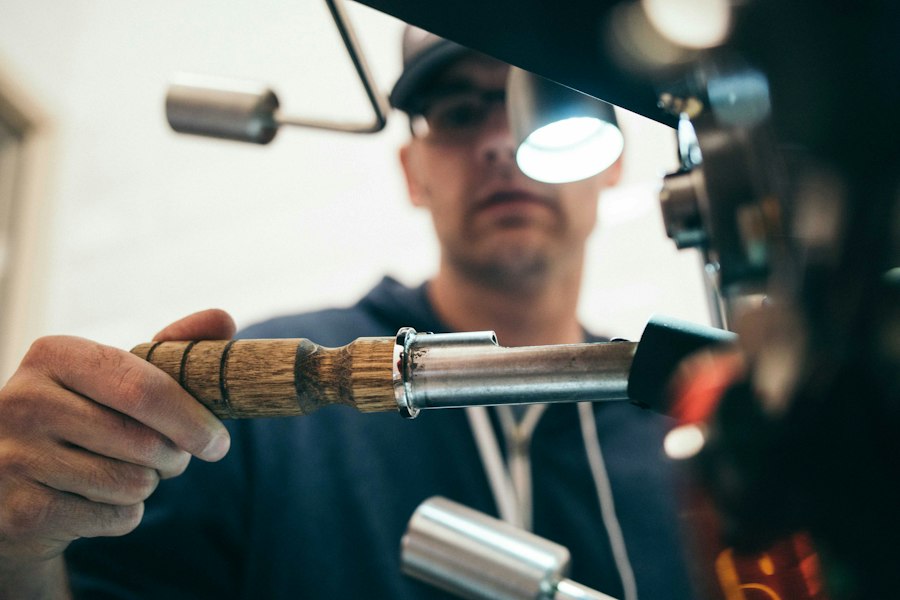
Before reconstruction begins, take the opportunity to make improvements that reduce your flood risk and recovery cost in the next event. With walls open and systems exposed, this is the most cost-effective time to address vulnerabilities that contributed to your flood damage.
- Install or service a sump pump with battery backup — especially for properties in low-lying areas
- Consider flood vents in foundation walls to allow water to flow through rather than build up
- Raise electrical outlets, panels, and HVAC equipment to above the base flood elevation
- Replace standard drywall with moisture-resistant board (Densarmor or equivalent) in flood-vulnerable areas
- Apply waterproof membrane to below-grade walls before re-finishing basement or utility spaces
- Review your drainage around the property — ensure the grade slopes away from the foundation
- Discuss elevation certificate options with your contractor — it can significantly reduce your NFIP flood insurance premiums
Common Mistakes New Orleans Homeowners Make After Flooding
These are the errors our restoration team encounters most frequently — and they consistently make damage worse and claims harder to collect.
❌ Starting Cleanup Before Documenting
Removing damaged items before photographing them thoroughly can seriously weaken your insurance claim and reduce your payout.
❌ Using Fans and Turning on the AC Too Early
Running your HVAC before ductwork is inspected spreads mold spores and contaminated air throughout unaffected rooms.
❌ Assuming the Surface Is Dry
If the surface feels dry, the structure may still be saturated. Without moisture meter testing, you cannot confirm safe drying levels.
❌ Signing With an Unlicensed Contractor
Fly-by-night contractors increase dramatically after flood events in New Orleans. Always verify licensure before signing anything.
❌ Waiting Too Long to Extract Water
Every hour of delay in water extraction means more material deterioration, more contamination spread, and higher restoration costs.
❌ Ignoring Marble and Stone Surfaces
Natural stone floors and countertops need immediate assessment after flooding. Delayed treatment causes permanent etching, staining, and grout failure that requires costly stone restoration work.
Trust Certified Local Experts for Flood Restoration
IICRC-certified. Licensed in Louisiana. Available 24/7 across Greater New Orleans.
Frequently Asked Questions — Flood Cleanup in New Orleans
Restoration New Orleans Team
IICRC-Certified Water Damage Restoration Specialists · Licensed & Insured in Louisiana
For emergency flood response across Greater New Orleans, call (504) 520-4646 — available 24 hours a day, 7 days a week.
Don’t Wait — Every Hour of Delay Increases Flood Damage
Water spreads, mold grows, and structural damage compounds every hour without professional intervention. Our certified restoration team is available right now — 24/7, 365 days a year across Greater New Orleans.
Water Damage · Mold Remediation · Stone Restoration · Storm Damage · Air Duct Cleaning