
7 Things Insurance Companies Look For During Water Damage Claims
Understanding what insurance adjusters evaluate during a water damage claim can mean the difference between a fully approved payout and a denied or reduced settlement. Our IICRC-certified New Orleans team explains exactly what insurers look for — and how to protect your claim from the very first hour.
When water damage strikes your New Orleans home — whether from a burst pipe beneath the kitchen, a roof failure during a summer storm, or rising floodwater from one of the city’s notorious heavy rain events — your first instinct is to get things back to normal as quickly as possible. Your second instinct should be to understand exactly how your insurance company is going to evaluate your claim.
Insurance adjusters don’t approve or deny water damage claims based on how much damage you describe. They evaluate specific, documented criteria — and homeowners who understand what adjusters look for are consistently able to protect their claims, avoid costly delays, and receive fair settlements. Those who don’t understand the process often find their claims reduced, disputed, or denied for reasons that were entirely avoidable.
At Restoration New Orleans, our IICRC-certified team works alongside homeowners and their insurers on every water damage restoration project. We’ve seen thousands of claims across Greater New Orleans — and we know exactly what makes the difference between a smooth, fully-paid settlement and a frustrating, costly dispute. This guide shares that knowledge with you.

The 7 Things Insurance Adjusters Evaluate
The Cause and Source of the Water Damage
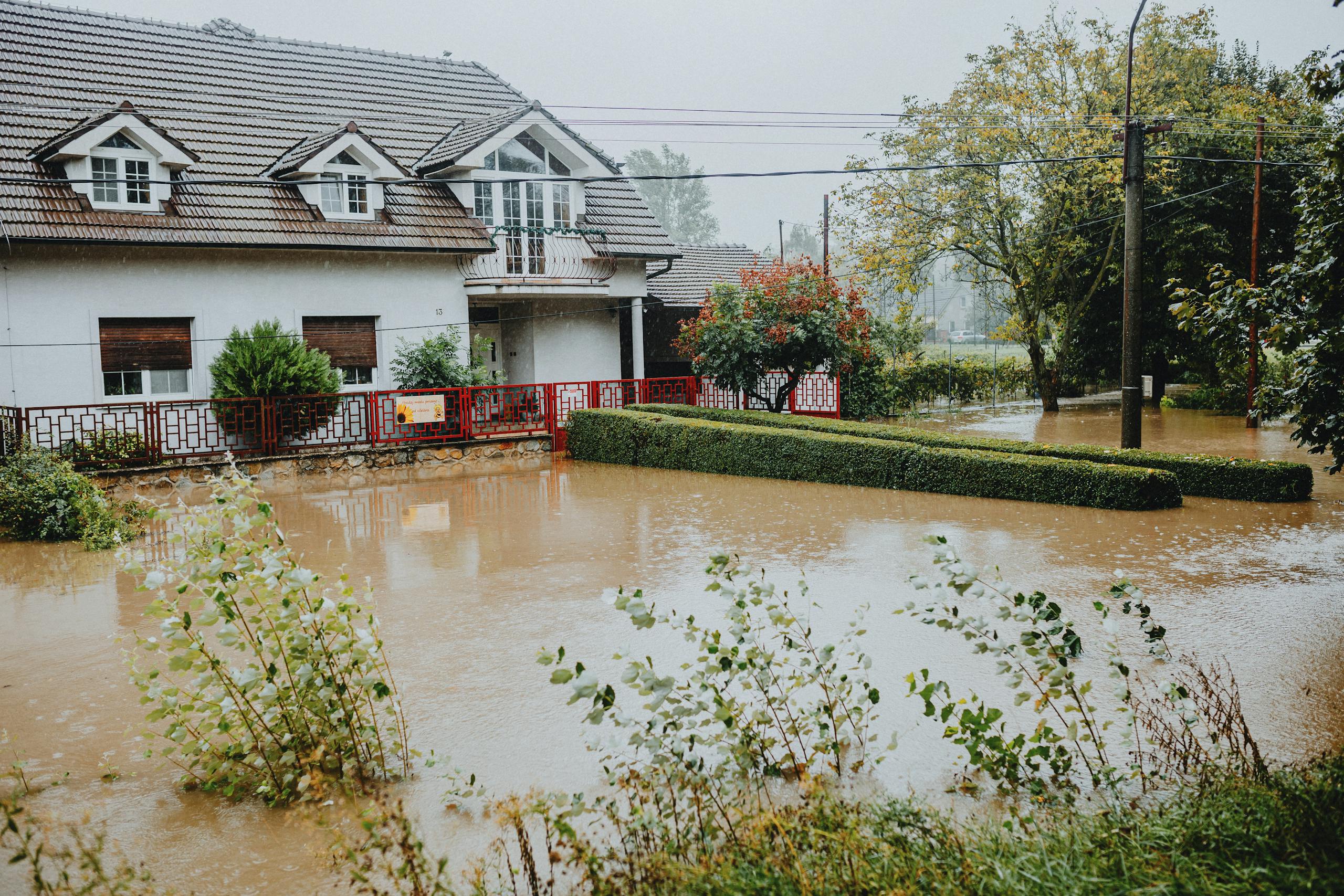
The first and most fundamental thing your insurance company evaluates is the cause and source of the water damage. This single determination drives everything else that follows — because your coverage depends entirely on it. Standard homeowner’s insurance policies in Louisiana cover some water damage sources and explicitly exclude others.
Covered sources typically include: sudden and accidental pipe bursts, appliance failures (washing machine overflow, dishwasher failure, water heater rupture), and sudden roof leaks caused by a weather event. Not covered by standard policies: gradual or slow leaks that developed over time, maintenance failures, flooding from external sources (streets, storm surge, groundwater), and sewer or drain backup (unless specifically added as an endorsement).
What adjusters look for to determine source
- Physical evidence of the failure point — burst pipes, failed appliance connections, damaged roof materials
- Water entry pattern — ceiling drips indicate roof; wall penetration indicates plumbing; floor-level entry often indicates external flooding
- Timeline consistency — does the damage pattern match the reported event date?
- Plumbing inspection records — is the failed component consistent with sudden failure or long-term deterioration?
- Weather records — do local rainfall and storm data support the claimed weather event?
Photo and Video Documentation of All Damage

Documentation is your evidence. Without it, your claim is your word against your insurance company’s assessment — and that is a position most homeowners lose. Adjusters evaluate claims based on documented evidence, and the more comprehensive your documentation, the stronger your negotiating position at every stage of the claims process.
Documentation should happen before anything is moved, cleaned, or discarded — ideally within the first 15 to 30 minutes after you confirm the area is safe to enter. Every area affected by water, every damaged item of personal property, every structural surface showing damage, and the source itself should all be captured in detail.
What to document and how
- Wide-angle video walkthrough of every affected room before anything is touched or moved
- Close-up photos of water lines on walls showing high-water marks and depth indicators
- Individual photos of every damaged personal property item with identifying details visible
- Photos of structural damage — stained ceilings, bubbled paint, warped floors, damaged baseboards
- Photos of the damage source itself if safely accessible — burst pipe, failed appliance, roof damage
- Timestamped photos — your phone stamps automatically; email copies to yourself immediately
- Written inventory of damaged belongings with estimated ages and replacement values
Evidence of Prompt Mitigation — Did You Act Fast Enough?

Most homeowner’s insurance policies include a duty to mitigate clause — a requirement that you take reasonable steps to prevent additional damage from occurring after the initial event. Adjusters evaluate whether you met this obligation, and failing to do so gives insurers grounds to reduce or deny coverage for damage that occurred after the original event.
In practical terms, this means: you shut off the water source promptly, you did not leave standing water in place for days before calling for extraction, you did not allow preventable secondary damage to develop (such as mold from inadequate drying), and you sought professional help without unreasonable delay. In New Orleans’ climate, where mold develops within 24 to 48 hours, the duty to mitigate is particularly strict — delayed response is very difficult to justify.
How to demonstrate prompt mitigation
- Call your insurer same day and document the call with date, time, and claim number
- Call a certified restoration company immediately — service records show response timeline
- Keep all invoices, service reports, and arrival timestamps from your restoration team
- Professional moisture monitoring logs from your restoration company document drying progress over time
- Do not wait for adjuster approval before beginning mitigation — most policies explicitly allow immediate protective action
Pre-Existing Damage vs. Event Damage

One of the most common sources of claim disputes is the distinction between damage that occurred during the reported water event and damage that was already present before the event occurred. Insurance adjusters are specifically trained to identify pre-existing damage, and the presence of unrelated prior damage in an affected area can complicate your entire claim if not properly addressed.
Pre-existing conditions that adjusters look for include: old water stains on ceilings that predate the current event, existing mold growth that was present before the claim date, deteriorated or poorly maintained building materials, evidence of prior repairs or patches that indicate previous water intrusion, and deferred maintenance that contributed to the failure.
Protecting your claim from pre-existing damage disputes
- Annual home inspections create records of your property’s baseline condition before any damage event
- Previous repair receipts and maintenance records demonstrate that prior issues were addressed
- Dated photographs of your home’s interior before any damage event are invaluable evidence
- Professional restoration reports from our team document the specific damage attributable to the current event using moisture mapping and thermal imaging
- Be transparent with adjusters about prior damage — attempting to include pre-existing damage in a current claim constitutes fraud and invalidates the entire claim
Professional Restoration Reports and Moisture Data

Insurance companies place significant weight on professional restoration documentation because it provides objective, measurable evidence of damage scope — not just homeowner descriptions. IICRC-certified restoration reports that include moisture mapping, thermal imaging findings, and daily drying logs carry far more weight with adjusters than homeowner testimony alone.
These reports document the initial moisture readings throughout the property, the scope of structural materials affected, the equipment deployed and drying methodology used, daily progress measurements, and final clearance readings confirming complete structural drying. Together, they create an objective record of both the damage and the professional response — and give adjusters the data they need to approve a complete settlement rather than estimating.
Why professional documentation matters for your settlement
- Moisture mapping data proves the extent of hidden damage that visual inspection cannot confirm
- Thermal imaging catches moisture in wall cavities and subfloor that would otherwise be missed — and disputed
- Daily drying logs demonstrate that professional drying standards (per IICRC S500) were followed
- IICRC certification of the restoration team lends credibility to all submitted documentation
- Scope of work reports give adjusters the specific line-item data needed to approve complete restoration costs
Timeliness of Claim Notification
Insurance policies in Louisiana include notification requirements — conditions that specify how promptly you must report a damage event to maintain your coverage. While policies vary, most require notification within a “reasonable time” — and insurers interpret this strictly when damage has worsened between the event and the notification date.
Delaying claim notification by days or weeks creates multiple problems. The adjuster cannot verify what damage existed at the time of the event versus what developed afterward. The insurer may argue that the additional damage was preventable with timely notification. And in New Orleans’ climate, a 72-hour delay between the event and notification — during which mold has begun growing — is very difficult to explain.
Notification best practices
- Call your insurer the same day as the damage event — always, without exception
- Document your notification call: date, time, representative name, and claim number received
- Follow up any phone notification with written communication (email) within 24 hours
- Request written confirmation of your claim initiation and coverage review
- Ask your adjuster directly: is there any time limit by which you must inspect the property?
Repair Estimates from Licensed, Certified Contractors
When adjusters calculate your settlement, they compare the claimed damage scope and restoration cost against estimates from contractors they consider credible. Estimates from unlicensed or uncertified contractors are routinely dismissed — sometimes causing adjusters to substitute their own, typically lower, estimates in their place.
Restoration estimates from IICRC-certified, Louisiana-licensed companies are given significantly more weight in the claims process. They demonstrate professional expertise in damage assessment, use industry-standard pricing tools that adjusters recognize (such as Xactimate), and include documentation that aligns with the adjuster’s own assessment framework.
After major storm events in Greater New Orleans, the area is flooded with out-of-town contractors offering quick estimates. Many of these estimates are either inflated to the point of raising red flags with insurers, or are so vague that they provide no line-item support for settlement negotiation. Both outcomes hurt your claim.
Choosing the right restoration contractor for your claim
- Louisiana contractor license — verifiable and required by state law
- IICRC certification in water damage restoration — the industry standard insurers recognize
- General liability and workers compensation insurance — protects you if anything goes wrong during the work
- Written, line-item estimates — not verbal promises or broad scope descriptions
- Experience working with insurance adjusters — ask specifically about this before signing anything
- No requirement to pay upfront — reputable restoration companies work with your insurance payment timeline
Quick Reference: What Adjusters Evaluate
Use this table to understand where your claim stands across each of the seven evaluation criteria. If you are uncertain about any column, call our team for guidance — we assist homeowners with claims documentation at no additional charge.
| What Adjusters Evaluate | Claim Protected | Claim at Risk | Claim Denied |
|---|---|---|---|
| Damage source | Sudden, accidental, internal | Ambiguous source | Flood / gradual leak |
| Documentation | Photo/video before cleanup | Partial documentation | No documentation |
| Mitigation effort | Professional response same day | Delayed 24–48 hrs | No mitigation taken |
| Pre-existing damage | None or clearly separated | Some prior conditions | Undisclosed prior damage |
| Professional reports | IICRC-certified documentation | DIY assessment only | No professional report |
| Claim notification | Same-day notification | 2–7 day delay | Weeks delayed |
| Contractor estimates | Licensed, certified, line-item | Unlicensed contractor | No formal estimate |
Homeowner Preparation Checklist — Before the Adjuster Arrives
The period between your damage event and your adjuster’s visit is your window to strengthen your claim. Complete as many of these items as possible before the adjuster arrives at your property.
📋 Your Water Damage Claim Preparation Checklist
Common Mistakes That Cause Water Damage Claim Delays
Beyond the seven evaluation criteria, certain homeowner mistakes consistently create delays, reductions, and disputes in the claims process. These are the most frequent patterns our team observes across Greater New Orleans:
- Accepting the first settlement offer without review — Initial offers from adjusters are often lower than the full justified amount. You have the right to negotiate with supporting documentation.
- Signing releases before all damage is discovered — Hidden moisture in wall cavities may not be apparent until professional moisture mapping is complete. Never sign a final release before your restoration team confirms full structural drying.
- Allowing insurer-preferred vendors without independent verification — You are not required to use the insurance company’s preferred restoration vendors. Choose any licensed, certified company and document why you chose them.
- Attempting DIY restoration before the adjuster visit — Removing damaged materials before the adjuster sees them eliminates their coverage. Protective measures (extracting standing water, tarping roof damage) are acceptable — full demolition is not.
- Not keeping receipts for all emergency expenses — Emergency board-up, hotel costs during displacement, meals, and other additional living expenses may be covered by your policy’s ALE (Additional Living Expenses) provision.
- Missing the claims deadline — Louisiana has a one-year statute of limitations for property damage insurance claims. Missing this deadline extinguishes your right to recover, regardless of claim merit.
Frequently Asked Questions — Water Damage Insurance Claims
Protect Your Claim — Start Right
A water damage insurance claim is not just a paperwork exercise — it is a documentation and response process that begins the moment water enters your home. The homeowners who receive full, fair settlements are those who understood what adjusters evaluate before they needed to file a claim, and who had the right professional team supporting them from the first hour.
Restoration New Orleans provides IICRC-certified restoration services, complete claims documentation, and direct adjuster coordination for homeowners across Greater New Orleans — including Metairie, Lakeview, Gentilly, Uptown, Mid-City, and all surrounding parishes. If your home also has marble floors, granite countertops, or other natural stone surfaces affected by water, our Marble & Stone Restoration team ensures those damages are properly documented and included in your complete claim scope.
Call us at (504) 520-4646 any time — 24 hours a day, 7 days a week. We respond across Greater New Orleans with a goal of being on-site within 60 minutes of your call.
Get the Documentation Your Claim Needs — From Day One
Our IICRC-certified New Orleans team provides complete water damage restoration with professional claims documentation — thermal imaging, moisture mapping, and written reports — included on every project. We work directly with your adjuster to support a full, fair settlement.