
9 Places Mold Commonly Hides in New Orleans Houses
Why New Orleans humidity creates the perfect mold environment — and exactly where hidden mold grows inside your home before you ever smell or see it.
If you live in New Orleans, you share your city with one of nature’s most aggressive tenants: mold. The combination of subtropical humidity, frequent heavy rainfall, below-sea-level topography, and a housing stock full of older construction makes Greater New Orleans one of the highest-risk mold environments in the entire United States.
The problem with hidden mold is exactly what the name implies — you cannot see it, and often you cannot smell it until colonies are already extensive. By the time a musty odor is noticeable or visible dark patches appear on a surface, mold has typically been growing for weeks or months inside walls, under floors, and behind fixtures.
This guide covers the 9 locations where our mold remediation team most consistently finds hidden mold during professional inspections of New Orleans homes — along with warning signs, health risks, and what you can do to protect your property.
Why New Orleans Humidity Makes Hidden Mold Growth Inevitable

Mold requires three things to grow: organic material to feed on (wood, drywall, paper, fabric), moisture, and temperatures above 40°F. New Orleans provides all three in abundance, year-round.
The city sits largely below sea level and is surrounded by water on multiple sides. Average relative humidity in New Orleans exceeds 75% for much of the year and regularly surpasses 90% during summer months. When outdoor humidity is this high, moisture infiltrates every building through gaps in envelopes, HVAC systems, and the natural breathing of older structures. Add in the city’s average of over 60 inches of annual rainfall — more than double the national average — and the regular flooding events that affect neighborhoods from Gentilly to Lakeview, and you have a near-perfect mold environment operating 12 months a year.
Health Concerns Linked to Mold Exposure in the Home
Not all mold is equally dangerous, but prolonged exposure to any significant mold growth — including the hidden varieties covered in this article — carries real health risks for occupants, particularly children, seniors, and those with respiratory conditions or compromised immune systems.
Respiratory Problems
Mold spores trigger asthma attacks, chronic coughing, wheezing, and shortness of breath — worsening significantly with prolonged exposure.
Allergic Reactions
Itchy eyes, skin rashes, runny nose, and persistent sneezing — often mistaken for seasonal allergies when the real source is indoor mold.
Neurological Effects
Black mold (Stachybotrys) produces mycotoxins linked to headaches, brain fog, fatigue, and mood disruption with sustained exposure.
Sinus Infections
Repeated mold spore inhalation can cause chronic sinusitis, postnasal drip, and recurring upper respiratory infections.
Immune Suppression
In immunocompromised individuals, some mold species can cause serious systemic fungal infections requiring medical treatment.
Property Damage
Beyond health, mold destroys building materials — compromising drywall, wood framing, insulation, and even natural stone surfaces permanently if untreated.
Suspect Hidden Mold in Your New Orleans Home?
Professional mold inspection and IICRC-certified remediation — available 24/7 across Greater New Orleans.
9 Places Hidden Mold Grows in New Orleans Houses
These are the locations our certified mold inspection technicians find active mold growth most consistently — often in homes where occupants had no visible signs and little to no odor until the inspection.

Slow pipe leaks behind walls are one of the leading causes of hidden mold in New Orleans homes. A pinhole leak or a loose fitting dripping even a small amount of water daily creates a consistently damp environment inside wall cavities — exactly where drywall paper and wood framing provide abundant organic material for mold to colonize.
These leaks often go completely undetected for months because the water never reaches flooring or causes visible staining on the wall surface. By the time the leak becomes obvious, extensive mold growth is typically already established throughout the wall cavity.
⚠️ Warning Signs
- Musty smell near a specific wall
- Soft or discolored drywall surface
- Unexplained spike in water bill
- Paint bubbling near pipes
🛡️ Prevention
- Annual plumbing inspection
- Monitor water meter for hidden leaks
- Use moisture-resistant drywall in wet areas
- Insulate cold pipes to reduce condensation

In New Orleans, your air conditioning system runs for nine or ten months of the year — and it produces significant condensation in the process. When drain lines clog, drain pans overflow, or condensate doesn’t drain properly, the moisture accumulates directly beneath and around the unit, soaking into adjacent drywall, insulation, and flooring materials.
The evaporator coil itself can also accumulate mold if the system isn’t maintained regularly — and from there, mold spores and microbial contaminants get distributed through every supply vent in the building every time the system runs. This is one of the reasons professional air duct cleaning is so strongly recommended after any mold event in a New Orleans property.
⚠️ Warning Signs
- Musty odor from vents when AC runs
- Water staining below air handler
- Visible growth on vent grilles
- Allergy symptoms that worsen indoors
🛡️ Prevention
- Annual HVAC servicing and coil cleaning
- Clear condensate drain lines seasonally
- Replace air filters every 30–60 days
- Professional duct cleaning every 2–3 years

Attics in New Orleans homes are a near-perfect mold environment: warm temperatures, limited ventilation, and constant exposure to roof leaks and condensation from the exterior humidity differential. The roof decking — typically oriented strand board or plywood — is extremely susceptible to mold growth when even minor roof leaks allow moisture to accumulate.
Most homeowners never enter their attic, which means mold growth can progress for years undetected. By the time an attic mold problem is noticed — often during a real estate transaction or a roofing replacement — large areas of decking and framing are typically affected.
⚠️ Warning Signs
- Dark staining on roof decking
- Musty smell on upper floors only
- Water stains on ceiling below attic
- Deteriorating attic insulation
🛡️ Prevention
- Annual roof inspection — especially after storm season
- Ensure adequate attic ventilation
- Check attic after every significant rainfall
- Replace damaged or missing ridge vents

New Orleans has a large proportion of homes built on pier-and-beam foundations — raised structures with crawl spaces beneath. These crawl spaces are chronically humid, rarely ventilated adequately, and frequently affected by ground moisture wicking upward. The combination creates one of the most consistent mold-growth environments found in any residential building system.
Mold in crawl spaces typically attacks the underside of subfloor sheathing, floor joists, and any insulation batts that have absorbed moisture over time. Because the crawl space is beneath the living area, spores and gases generated by the mold colony migrate upward through gaps and floor penetrations, affecting indoor air quality throughout the home above.
⚠️ Warning Signs
- Musty smell at floor level
- Soft or bouncy floor sections
- Visible dark staining on subfloor
- Standing water or wet soil in crawl space
🛡️ Prevention
- Install a crawl space vapor barrier
- Ensure cross-ventilation of crawl space
- Annual crawl space inspection
- Address any standing water immediately
Need a Professional Mold Inspection?
Thermal imaging and moisture mapping across all 9 hidden mold locations — IICRC-certified technicians across Greater New Orleans.

Kitchen cabinets — especially base cabinets beneath the sink — are among the most common locations for hidden mold in New Orleans residences. The combination of supply line leaks, drain connection failures, and ambient humidity from cooking creates persistently damp conditions between cabinet boxes and the wall behind them.
The back panel and side panels of base cabinets are typically made of particleboard or MDF, which absorb moisture readily and are extremely susceptible to mold growth. Because these areas are rarely opened or inspected, mold can establish extensive colonies without any obvious signs for months.
⚠️ Warning Signs
- Musty smell when opening cabinet doors
- Swollen or warped cabinet base
- Dark discoloration at back of cabinet
- Soft flooring directly under sink
🛡️ Prevention
- Check under-sink plumbing monthly
- Replace braided supply lines every 5 years
- Line cabinet base with waterproof liner
- Run exhaust fan while cooking
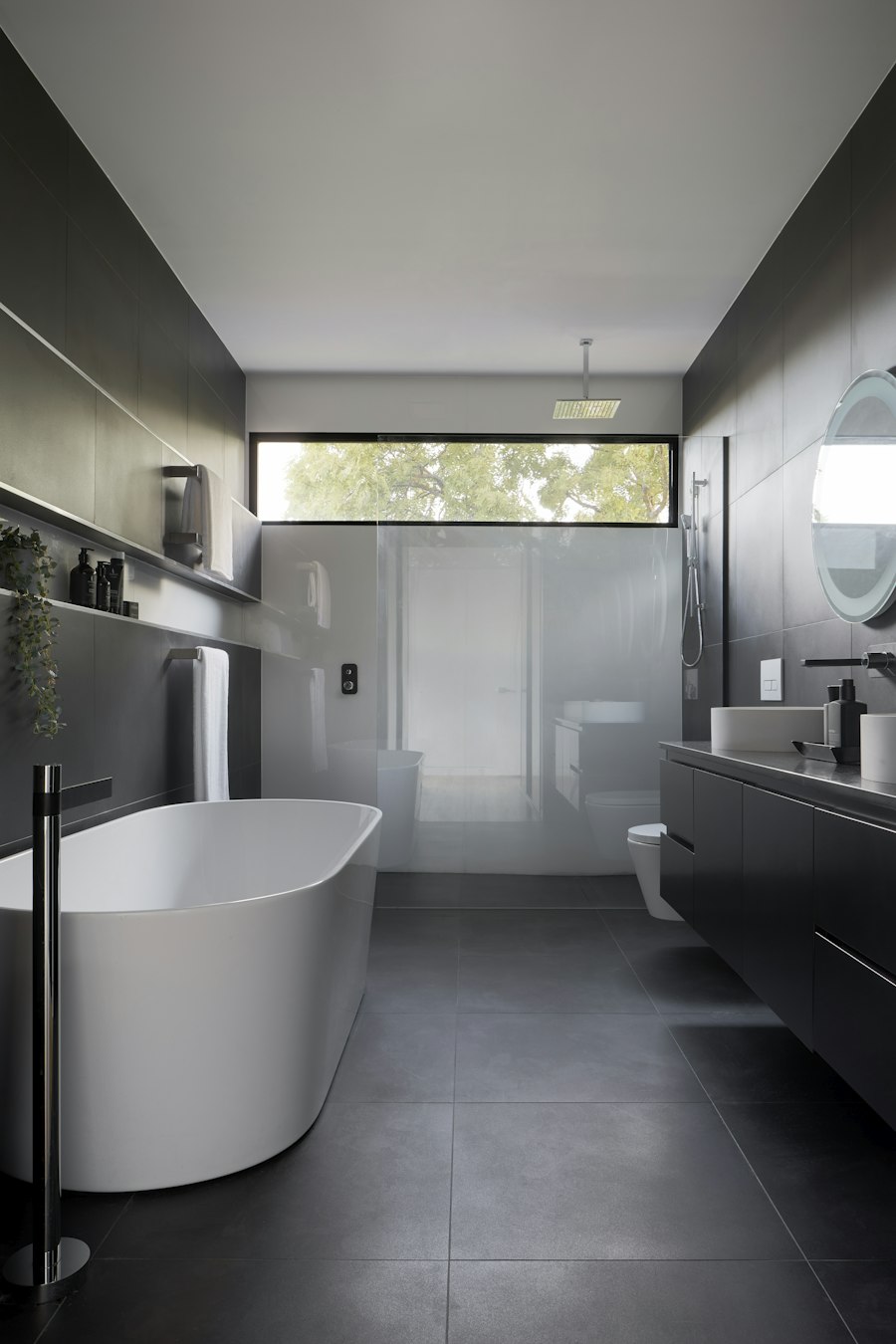
This location is particularly relevant to New Orleans homes with marble, travertine, granite, or other natural stone surfaces in bathrooms and kitchens. The grout lines surrounding natural stone tiles are porous and harbor mold growth readily in humid conditions. More critically, when tile adhesive or grout fails — which happens faster in high-humidity environments — water penetrates behind the tile surface to the cement board or drywall backer, where mold grows completely out of sight.
Marble and other porous stone surfaces can also be directly damaged by mold and by the cleaning chemicals used to treat it. This is why professional marble and stone restoration is often necessary after mold remediation — to restore surfaces that were etched, stained, or structurally compromised by mold growth and remediation treatment.
⚠️ Warning Signs
- Dark discoloration in grout lines
- Loose or hollow-sounding tiles
- Persistent bathroom musty odor
- Staining on marble or travertine
🛡️ Prevention
- Seal grout lines annually
- Seal natural stone surfaces regularly
- Run bath exhaust fan for 20+ min post-shower
- Re-caulk tub and shower edges yearly

After any flooding event in New Orleans — even a relatively minor intrusion from a heavy rain event or appliance leak — water migrates beneath flooring materials and behind baseboards. The space between the flooring and subfloor, and the gap between baseboard and wall, create enclosed microenvironments where moisture is trapped and mold colonizes without exposure to air circulation.
Hardwood floors and laminate are particularly problematic because they appear dry on the surface while harboring active mold growth in the adhesive layer and subfloor beneath. Our professional water damage restoration process includes moisture mapping specifically to detect this type of hidden moisture before it triggers mold growth.
⚠️ Warning Signs
- Cupping or buckling hardwood floors
- Discoloration at baseboard base
- Floor feels soft or spongy underfoot
- Musty smell strongest at floor level
🛡️ Prevention
- Use moisture meters post any water event
- Never close walls until materials are confirmed dry
- Install moisture barriers under floating floors
- Maintain consistent indoor humidity below 55%

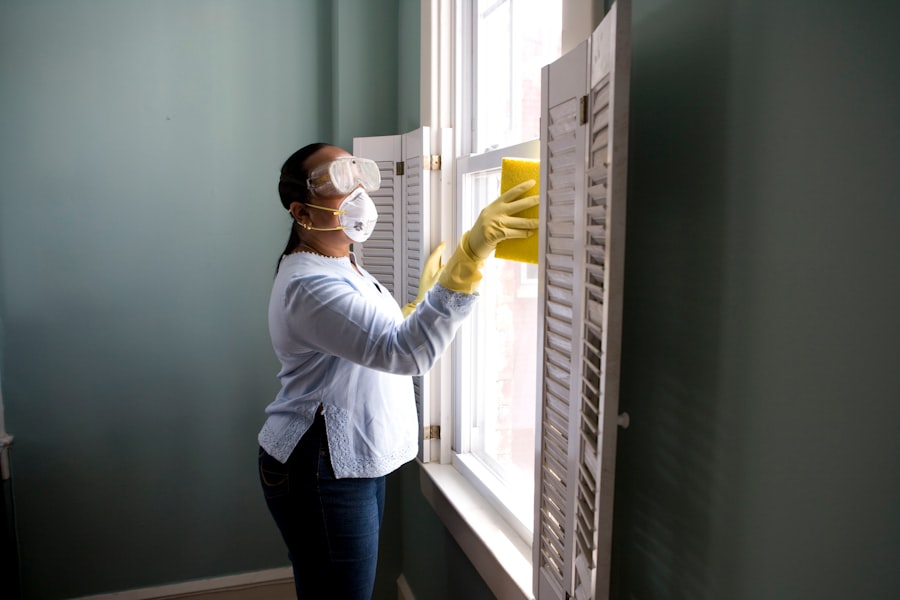
Windows in New Orleans homes experience significant condensation due to the temperature differential between air-conditioned interiors and the hot, humid exterior. This condensation collects on window sills, in frame channels, and along the perimeter seal where the window meets the wall opening. Over time, the accumulated moisture — combined with organic dust and debris — creates ideal conditions for mold to establish along sills, in corners, and behind curtains and blinds.
Window mold is often dismissed as minor surface growth and cleaned with household products, which rarely eliminates the root cause. If the seal around the window frame has failed — which is common in older New Orleans properties — mold growth in the wall cavity behind the frame is typically present alongside the visible surface mold.
⚠️ Warning Signs
- Black dots along window sill edge
- Discoloration in window frame channels
- Condensation on interior glass regularly
- Paint peeling near window perimeter
🛡️ Prevention
- Keep indoor humidity below 55%
- Wipe condensation from sills regularly
- Inspect and replace failed window caulking
- Improve window area ventilation
Mold inside your air duct system is particularly serious because it transforms your HVAC from a comfort system into a mold distribution system. Every time the air handler runs, spores are pulled from contaminated areas and blown through the entire duct network — depositing mold in rooms that have never experienced any visible moisture problem. This is one of the primary mechanisms by which a localized mold problem becomes a whole-home mold problem in New Orleans properties.
Mold in ductwork typically originates from moisture in the return air — condensation inside duct runs, contamination from a flooded crawl space, or biological growth on a dirty evaporator coil. Professional air duct cleaning and antimicrobial treatment is the only effective solution — household cleaning methods cannot safely access or treat interior duct surfaces.
⚠️ Warning Signs
- Musty smell every time AC turns on
- Visible growth on vent grilles or diffusers
- Allergy symptoms that improve outside home
- Increased dust around supply vents
🛡️ Prevention
- Annual professional duct inspection
- Change filters every 30 days during summer
- Maintain drain pan — clean quarterly
- Professional duct cleaning every 2–3 years
Mold Location Risk Comparison Table
A quick-reference overview of all 9 hidden mold locations — their typical risk level for New Orleans homes, detectability without professional equipment, and typical remediation complexity.
| # | Location | Risk Level | Visible Without Equipment? | DIY Detectable? | Remediation Complexity |
|---|---|---|---|---|---|
| 1 | Inside walls — plumbing | High | No | Rarely | Moderate–High |
| 2 | Under/around AC units | High | Sometimes | Partially | High (whole-home risk) |
| 3 | Attic spaces / roof decking | High | Only if you inspect | Yes, if accessed | High (large area) |
| 4 | Crawl spaces / foundations | High | Only if accessed | Partially | High — confined space |
| 5 | Behind kitchen cabinets | Medium | Not usually | By smell only | Moderate |
| 6 | Grout / tile backer / stone | Medium | Surface yes, behind no | Surface only | Moderate + stone restoration |
| 7 | Under flooring / baseboards | High | No | Rarely | Moderate–High |
| 8 | Window frames and sills | Lower | Yes — surface visible | Yes | Low if surface; High if cavity |
| 9 | Air duct interiors | High | No | No | High — professional only |
Mold Prevention Strategies for New Orleans Homeowners
New Orleans’ climate means mold prevention requires consistent year-round attention — not just seasonal checkups. These are the strategies that make the biggest difference for local properties.
Control Indoor Humidity
Keep indoor humidity below 55% year-round using whole-home dehumidifiers or individual units in problem areas. This alone eliminates a significant percentage of mold risk.
Annual Mold Inspection
Schedule a professional mold inspection each year — ideally after hurricane season ends. Thermal imaging and moisture mapping find problems before they become expensive.
Maintain Your Building Envelope
Inspect roof, windows, and foundation annually. Address any gaps, failed caulking, or roof damage immediately — every water intrusion point is a mold entry point.
Respond to Water Events Fast
Any water intrusion event — leak, flood, or appliance failure — should be professionally dried within 24 to 48 hours to prevent mold from establishing.
Maintain HVAC and Ductwork
Annual service, regular filter changes, and periodic professional duct cleaning prevent your HVAC from becoming a mold distribution system.
Protect Stone and Tile Surfaces
Annual grout sealing and natural stone sealing prevents moisture penetration into the backer materials behind surfaces — stopping mold before it establishes behind tiles. Stone restoration professionals can also address existing etching and grout failure.
Our Guarantee on Every Mold Remediation Project
- Full written scope and estimate before any work begins
- Thermal imaging and moisture mapping included on every inspection
- EPA-registered antimicrobial treatment applied to all affected areas
- Post-remediation air quality and moisture verification testing
- Complete photo documentation for insurance claims
- No hidden fees — satisfaction guaranteed on every project
Frequently Asked Questions — Hidden Mold in New Orleans Homes
Found Hidden Mold in Your New Orleans Home?
Don’t wait — mold growth accelerates daily in New Orleans’ climate. Our IICRC-certified remediation team is available 24 hours a day, 7 days a week across Greater New Orleans.
Mold Remediation · Stone Restoration · Water Damage · Air Duct Cleaning · Storm Damage · Chimney Repair