Saturday brings the first real cold front of fall to New Orleans. Highs drop from near 30°C into the low 20s, and Sunday morning lows dip into the mid-teens — the kind of morning that makes you want to light the fireplace. But if your chimney has sat idle since last winter, that first fire deserves a safety check first. A professional chimney sweep before the season starts is the simplest way to make sure your fireplace is safe to use.
Why New Orleans Chimneys Suffer Quietly
Most local fireplaces burn wood for only a few weeks each year, which means most local chimneys go uninspected for months at a time. In between, they take a beating: driving summer rain, humid salt air, and storm gusts that loosen flashing and knock chimney caps loose. Brick and mortar absorb moisture, creosote from last season’s fires hardens inside the flue, and birds or squirrels move into the warm, dark space above the damper. None of this announces itself — you find out the first time you strike a match.
What a Professional Chimney Sweep Actually Does
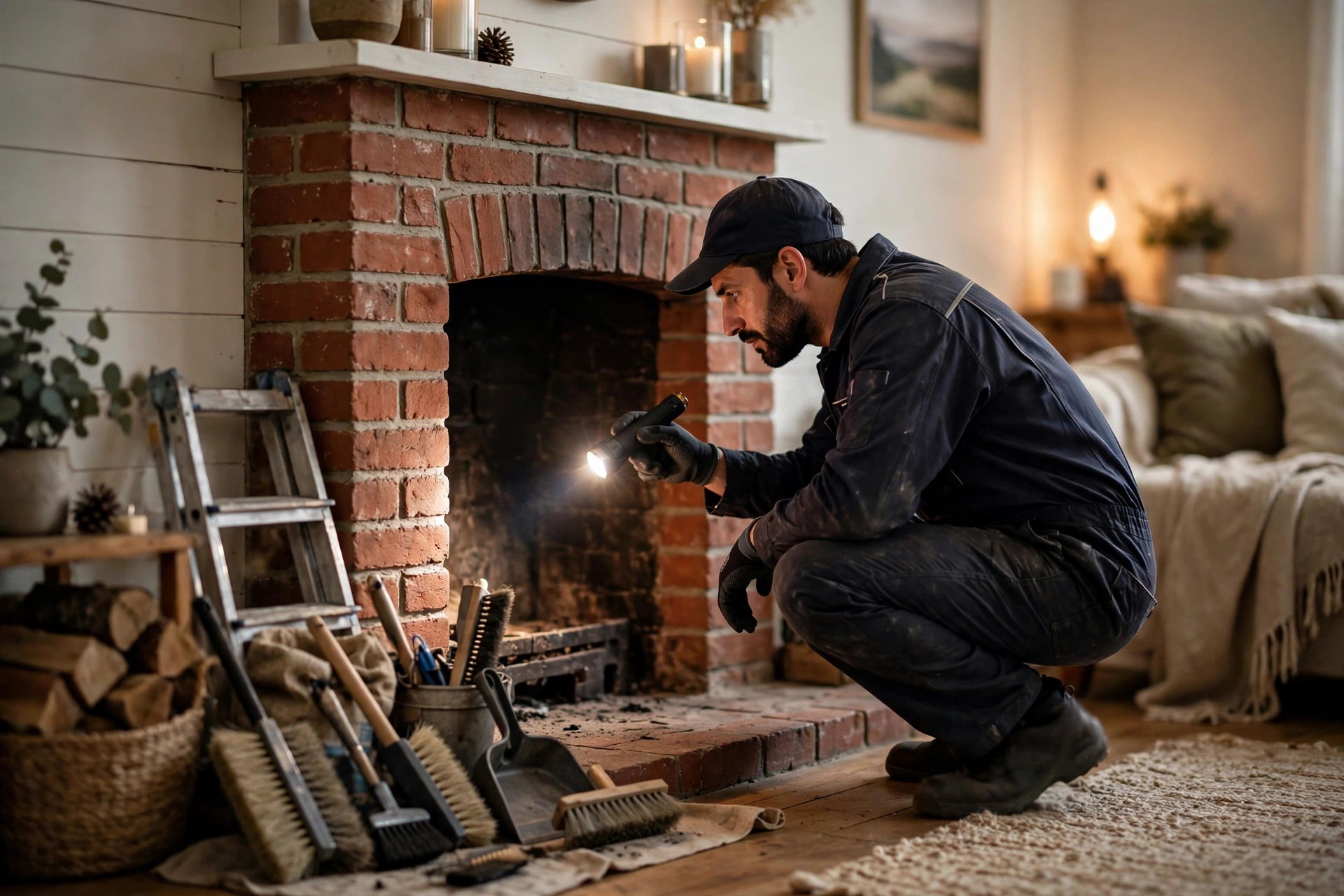
A chimney sweep is more than a brush run up the flue. A proper visit includes a visual inspection of the firebox, damper, and flue liner, removal of creosote and soot buildup, clearing of nests and debris, and a check of the cap, crown, and flashing from above. The technician should tell you what was found and what needs attention — cracked flue tiles, a missing cap, or mortar that needs repointing — before you start burning wood again.
Your Pre-Season Chimney Checklist
Work through these before your first fire:
1. Confirm the chimney cap is in place. The cap keeps rain, leaves, and animals out. Summer storms in New Orleans knock them loose regularly — look up from the yard with binoculars or have your sweep confirm it. (After any big storm, our hurricane damage checklist covers what else to inspect.)
2. Check for creosote buildup. Shine a flashlight up the flue. If the coating looks thick, flaky, or glazed like tar, it is time for a sweep. Creosote is the fuel in most chimney fires.
3. Inspect the flue liner. Cracks or missing chunks in the liner let heat and gases reach the wooden framing around the chimney. This is the part homeowners cannot judge well on their own.
4. Test the damper. Open and close it fully. A damper that sticks, hangs crooked, or shows rust is telling you moisture has been getting in.
5. Look for nests and debris. Shine a light up from the firebox. Branches, leaves, and nesting material are a fire hazard and a sign the cap is missing or damaged.
6. Check mortar joints and flashing. From the ground, scan the exterior brick for crumbling mortar, white staining, or gaps where the chimney meets the roof. Damaged flashing is the most common entry point for chimney leaks, and New Orleans downpours find every weakness.
7. Test smoke and carbon monoxide detectors. Replace batteries and confirm both alarms respond. A blocked or back-drafting flue can push carbon monoxide into the living space silently.
Watch for Chimney Leaks
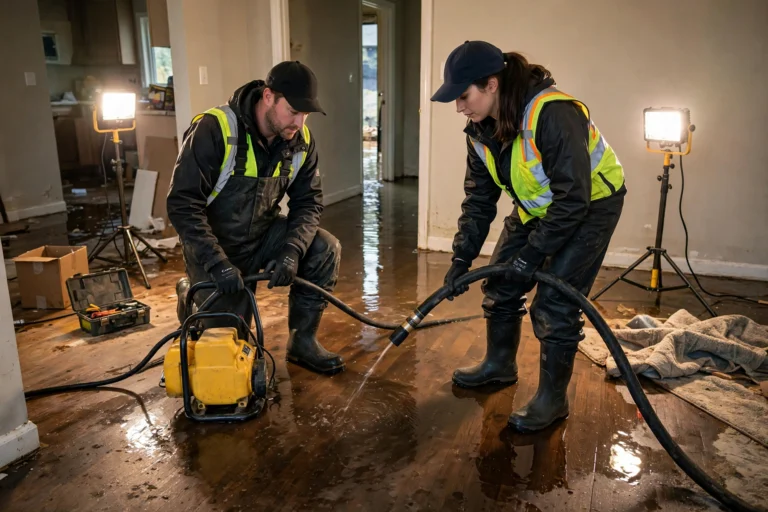
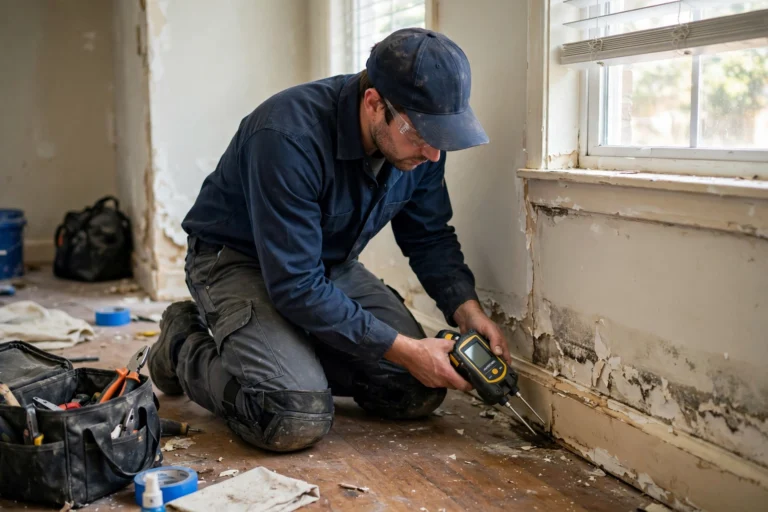
Water and chimneys are a bad combination, and this is the city where rain finds a way in. Watch for damp patches on the ceiling near the chimney breast, a musty smell from the firebox, rust on the damper or firebox doors, and white chalky stains (efflorescence) on the exterior brick. Left alone, a chimney leak soaks the surrounding framing — which is how a small flashing problem turns into a water damage restoration job and, in our humidity, a mold remediation one too.
Why October Is the Right Month
Fire data from the National Fire Protection Association shows home heating fires roughly doubling from September to October — about 3,060 heating fires in October (7% of the annual total) versus 1,550 in September (4%) — and climbing from there, with nearly half of all heating-equipment fires occurring in December through February. In other words, the risk curve starts bending upward the moment temperatures drop. Scheduling your sweep before the first cold front puts you ahead of it.
DIY vs. Calling a Professional
Homeowners can handle the visual checks above, clean out the firebox, and confirm detectors work. But creosote removal, flue-liner inspection, and anything involving the roof are professional work. A certified chimney sweep has the brushes, cameras, and trained eye to find liner cracks and hidden buildup you cannot see from below — and to tell you honestly whether the chimney is safe to light.
If the Worst Happens
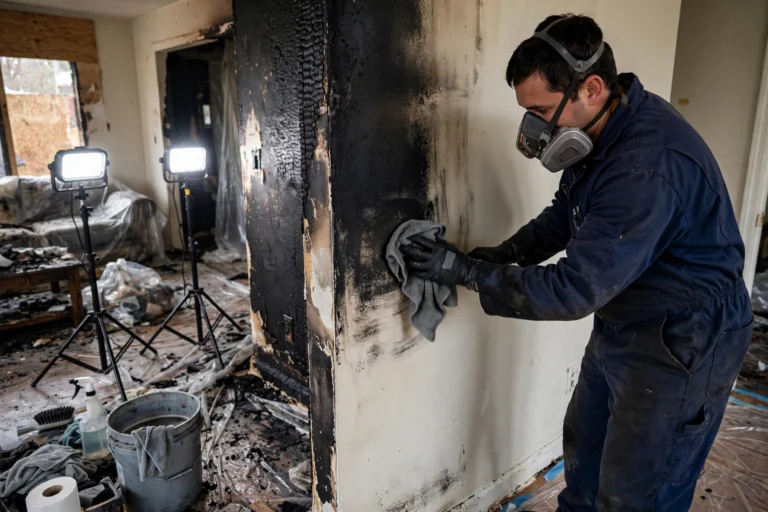
A chimney fire is unmistakable: loud cracking or popping, a roaring sound like a freight train, thick smoke, and sparks from the top of the chimney. Get everyone out and call 911. Afterward, do not use the fireplace again until it has been inspected — the flue may be damaged. If smoke and soot spread through the house, our team can help with professional chimney repair and soot cleanup so the damage does not set permanently into walls and furnishings.
Frequently Asked Questions
How often should a chimney be swept in New Orleans?
Once a year, before the burning season, is the standard recommendation for wood-burning fireplaces — even if you only light a handful of fires. Gas fireplaces still need an annual inspection for venting and blockage issues.
How do I know if my chimney has creosote buildup?
Shine a bright flashlight up the flue from the firebox. Thin, dusty soot is normal; thick, flaky, or shiny tar-like layers mean a sweep is overdue. If you are unsure, a professional inspection settles it.
Can I prevent creosote from forming?
Burn only dry, seasoned hardwood — never green wood, trash, or cardboard. Hot, clean-burning fires produce far less creosote than slow, smoky ones. Annual sweeping handles the rest.
Do gas fireplaces need chimney maintenance?
Yes. Gas burns cleaner but still needs a clear vent, a working damper or vent system, and an annual check for nests, debris, and carbon monoxide safety.
What does a chimney sweep cost?
It varies with chimney height, condition, and how long it has been since the last cleaning. Call (504) 520-4646 for a straightforward quote — the inspection itself will tell you exactly what, if anything, needs doing beyond the sweep.
A cold front is a good excuse to enjoy your fireplace — make it a safe one. Book your chimney sweep before the weekend, run through the checklist, and light that first fire with confidence. If you find damage, leaks, or smoke staining, call Restoration New Orleans at (504) 520-4646 — we respond 24/7 across Greater New Orleans.