Thanksgiving is the peak day for home cooking fires. If a small pan fire starts, turn off the heat if safe, slide a lid over the pan, and leave it covered until cool. Never pour water on a grease fire. If it spreads, get out, call 911, then call Get Restoration New Orleans at (504) 520-4646.
Key takeaways
- Thanksgiving is the leading day for home cooking fires, driven mainly by cooking left unattended.
- Keep a lid or baking sheet beside the stove before you start cooking, not after a fire starts.
- Never put water on a grease fire: it spreads burning oil and makes the fire larger.
- Turkey fryers belong outdoors only, on level ground, well away from the house, deck, and garage.
- Even a small kitchen fire can leave soot and smoke odor through the house long after the flames are out.
- Test your smoke alarms before the holiday, and keep children and pets three feet from the stove.
Why is Thanksgiving the riskiest cooking day of the year?
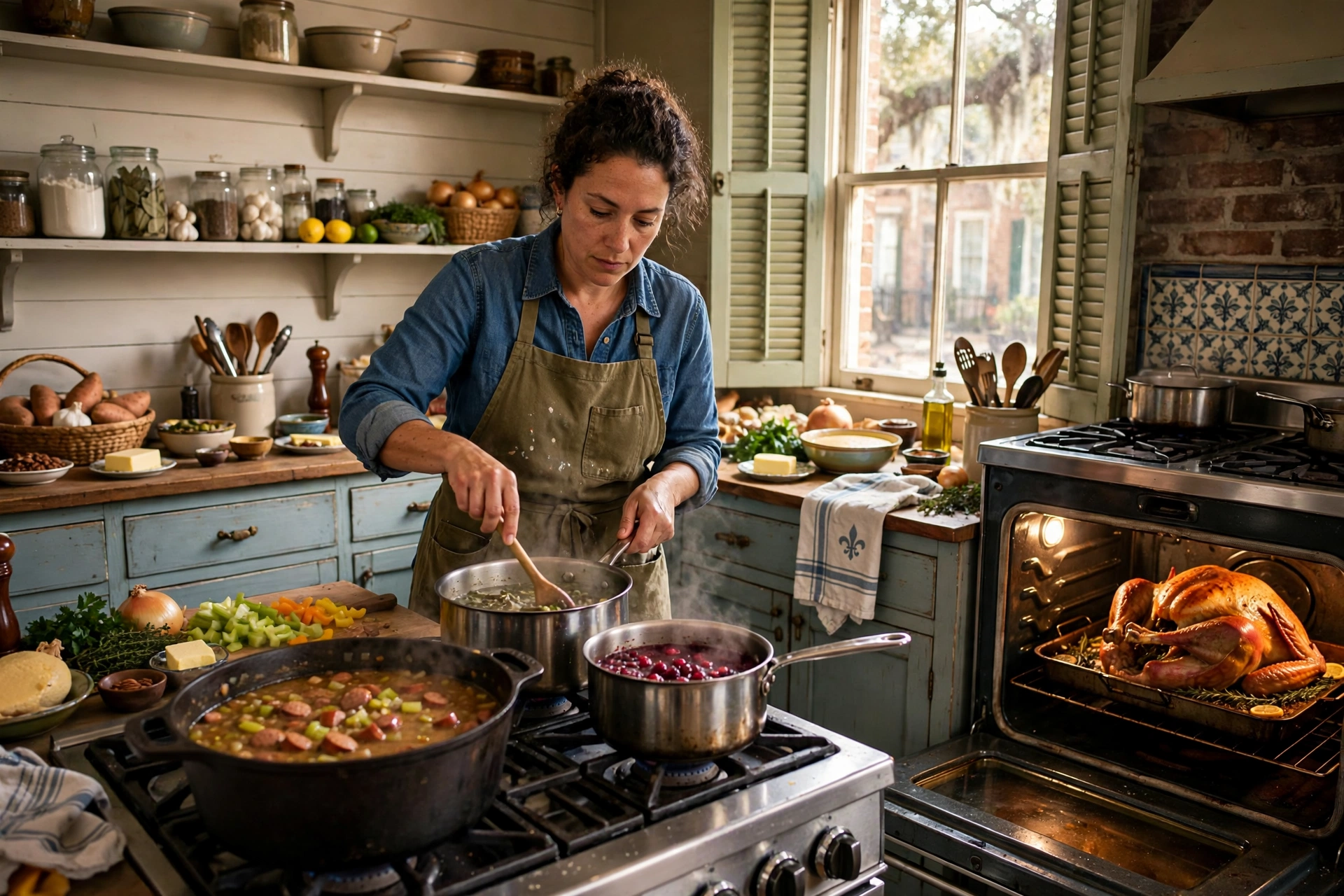
Thanksgiving concentrates everything that causes cooking fires into a single afternoon. The turkey is in the oven, gravy is simmering, side dishes are frying, and guests are arriving. With that many burners in use, it is easy to step away for one minute that turns into ten.
National Fire Protection Association figures underline the pattern. An estimated 1,446 home cooking fires were reported to United States fire departments on Thanksgiving Day in 2023, which is 388 percent above the daily average. Over 2019 to 2023, cooking accounted for 80 percent of home fires on Thanksgiving Day. The leading factor in cooking fires generally is not faulty equipment. It is cooking left unattended.
What should you do before the cooking starts?
Start with the stove area. Clear dish towels, paper towels, oven mitts, food packaging, and wooden utensils away from burners and hot surfaces. Turn pot handles toward the back of the stove so nobody knocks a pan over while reaching past it. Keep a metal lid or a baking sheet within arm’s reach of the cooktop all day. That lid is your first response to a pan fire, and it only helps if it is already there.
Next, name one person to watch the stove, and hand the job over explicitly when that person leaves the room. Set timers for everything in the oven, even dishes you think you will remember.
Finally, test your smoke alarms before guests arrive, and replace batteries or the unit itself if anything fails. Keep a fire extinguisher in or near the kitchen, and make sure at least one adult in the house knows how to use it.
How do you handle a grease fire safely?
Most kitchen fires are grease or oil fires, and the rules for them are different from other fires. If a pan catches fire and the flames are still small and contained in the pan, turn off the heat if you can reach the control without reaching over the flames. Then slide a lid or baking sheet over the pan to cut off the oxygen, and leave it covered until the pan is completely cool. Do not lift the lid to check: lifting it lets oxygen back in and the fire can flare up again.

Never pour water on a grease fire. Water turns to steam instantly in hot oil, throws burning grease across the kitchen, and can create a fireball. Baking soda can help on a very small flame, but only if you have plenty of it to hand. Never carry a burning pan to the sink or outside: moving it spreads hot grease and flames, and it is one of the most common ways people get burned.
If the fire is bigger than the pan, if it has spread to curtains, cabinets, or the wall, or if you are unsure you can control it safely, stop trying. Get everyone out of the house, close doors behind you if you can, and call 911 from outside. Your safety comes before the food, the cookware, or the kitchen. A professional team can deal with smoke damage cleanup afterwards; a burn cannot be undone.
What about turkey fryers, ovens, and slow cookers?
Turkey fryers deserve special caution. The National Fire Protection Association discourages home use of fryers that hold a large amount of hot oil, because spilled oil is a serious burn and fire risk. If your household does fry a turkey, do it outdoors only, on level ground, well away from the house, garage, and deck. The turkey must be completely thawed and dry before it goes into the oil: water and hot oil do not mix, and a frozen or wet bird can cause the oil to boil over.
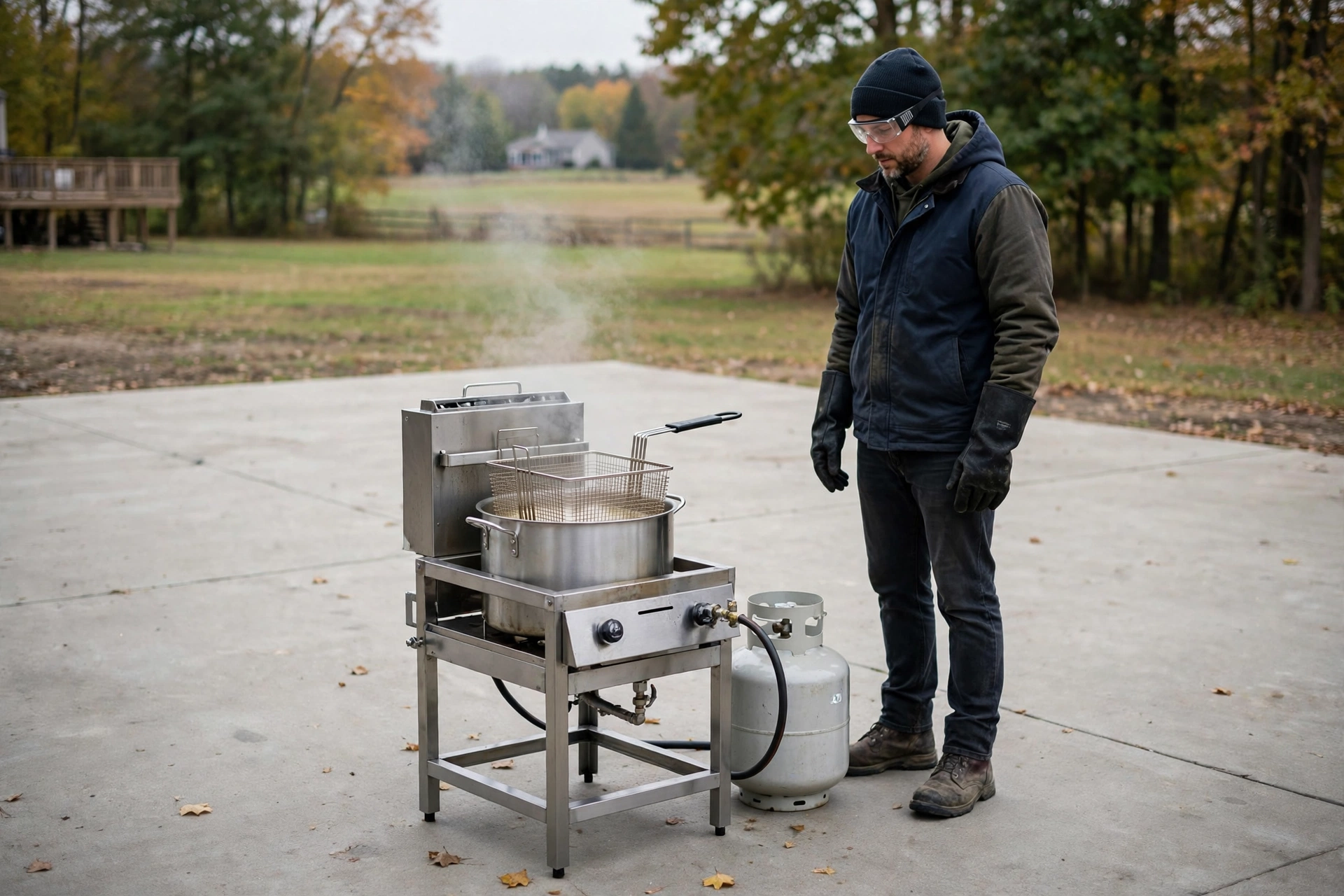
Never leave a fryer unattended, and keep children and pets well away from it. An oil-free fryer, or a turkey bought ready-fried, gives you the same meal without the largest single risk in the holiday kitchen.
For the oven, the rule is simpler: stay home while the turkey roasts, and check it regularly. Do not use the oven to heat the house. Slow cookers are safer than open burners, but they still need a clear, stable surface and a cord that cannot be pulled off the counter.
What should you do after a kitchen fire, even a small one?
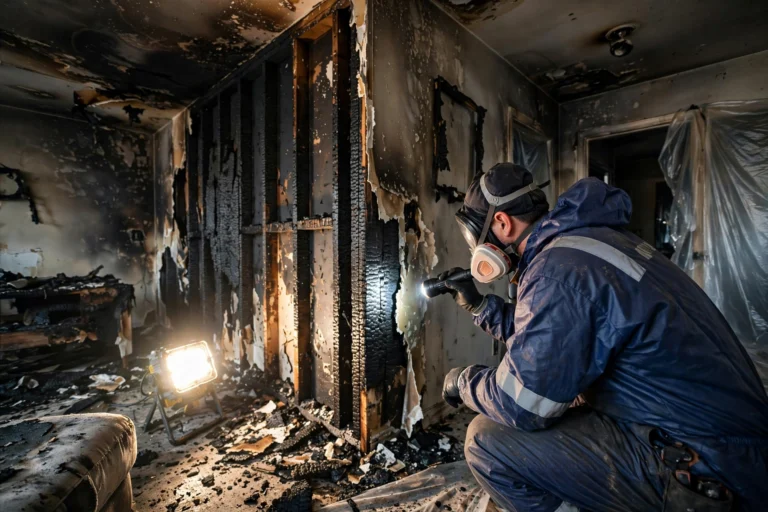
A small fire that you put out yourself still leaves damage you cannot always see. Soot travels with smoke into cabinets, ductwork, and rooms down the hall, and smoke odor settles into curtains, upholstery, and clothing. Wiping the stove clean does not finish the job. Ventilate the house, photograph any damage before you clean, and do not use a damaged appliance again until it has been checked.

If soot has reached walls, ceilings, or cabinets, or if the smell lingers after a thorough clean, that is the point to call a professional. Our team handles fire damage restoration across Greater New Orleans, including soot removal, odor treatment, and drying out any water used to put the fire out. Persistent odor is covered in our guide to smoke odor removal, because odor that survives a first clean usually means soot is still sitting somewhere out of sight.
Keep your insurance paperwork in mind, too. Photograph the stove, the pan, and any damaged surfaces before cleanup, and keep receipts for any emergency work. A clear record from the first hour makes any later claim far simpler.
Thanksgiving kitchen fire safety checklist
- Clear a three-foot zone around the stove of towels, paper, and packaging.
- Keep a lid or baking sheet beside the cooktop all day.
- Name one person to watch the stove, and hand the job over explicitly.
- Turn pot handles inward, and set a timer for every oven dish.
- Test smoke alarms before guests arrive.
- Fry turkey outdoors only, on level ground, with a fully thawed and dry bird.
- Never use water on a grease fire, and never carry a burning pan.
- If the fire spreads, leave the house and call 911 from outside.
Thanksgiving cooking should end with a full table, not a fire crew in the driveway. A clear stove, a lid within reach, and one person watching the cooking cover most of the risk. If something does go wrong, Get Restoration New Orleans responds 24/7 at (504) 520-4646 to help your kitchen — and your holiday — get back to normal.
Frequently asked questions
What should I do first if a grease fire starts on my stove?
Turn off the heat if you can reach the control safely, then slide a lid or baking sheet over the pan and leave it covered until it is completely cool. Never pour water on a grease fire, and never carry a burning pan. If the fire spreads beyond the pan, leave the house and call 911 from outside.
Is it safe to fry a turkey at home for Thanksgiving?
Home turkey fryers carry a serious burn and fire risk, and the National Fire Protection Association discourages their use. If you do fry a turkey, do it outdoors only, on level ground, well away from the house, deck, and garage, with a completely thawed and dry bird, and never leave the fryer unattended.
Why is Thanksgiving the worst day for cooking fires?
Thanksgiving combines more dishes cooking at once, more people in the kitchen, and more distractions than any other day. National Fire Protection Association figures put an estimated 1,446 home cooking fires on Thanksgiving Day in 2023, 388 percent above the daily average, with unattended cooking as the leading factor.
How do I get rid of smoke smell after a small kitchen fire?
Ventilate the house and clean visible soot, but know that smoke odor often comes from soot hidden in cabinets, ductwork, and soft furnishings. If the smell lingers after a thorough clean, professional soot and odor treatment is usually needed to remove it fully.
Should I call a restoration company after a small kitchen fire?
Call one if soot has reached walls, ceilings, or cabinets, if the smell lingers, or if water was used to put the fire out. A restoration team can assess hidden soot and moisture, clean surfaces properly, and document the damage for insurance.
One Comment