

A dishwasher leak starts with a drip from a worn door seal or a loose supply line, and it soaks the cabinet base and subfloor before you see a puddle. Stop the cycle, shut off the water valve under the sink, and mop up what you can see. If the floor feels soft, call a New Orleans water damage restoration crew at (504) 520-4646.
Key takeaways
- Most dishwasher leaks start at one of five spots: the door gasket, the supply line, the drain hose, the pump seal, or the tub.
- A soft floor or a swollen toe kick means water has been leaking longer than the puddle suggests.
- Shut off the water under the sink and the dishwasher’s power before you touch anything wet.
- Photograph the leak and the damage before you clean up — it helps with an insurance claim.
- Wet materials should be dried within 24 to 48 hours, or mold can start growing.
Why do dishwashers leak in the first place?
- Worn door gasket. The rubber seal around the door hardens and cracks with age and heat. Water escapes at the bottom corners first, a little at a time.
- Loose or cracked supply line. The line that feeds water to the dishwasher can work loose at its fittings or split with age. A slow drip here runs behind the unit, out of sight.
- Failing drain hose. The drain hose can kink, crack, or pull loose where it connects to the garbage disposal or the sink drain, sending dirty water under the unit.
- Pump seal wear. The seal around the circulation pump wears out over years of use, and water seeps from the bottom of the machine.
- A cracked tub or loose internal fitting. Rare, but it happens on older machines — and a leak inside the tub can run straight onto the subfloor.
- Overloading or too much detergent. Too many dishes block the spray arms, and excess detergent creates suds that push water past the door seal. Both are easy to fix once you know to look for them.
In New Orleans, age matters more than it does in drier cities. Heat and humidity wear rubber seals and hoses faster, and many kitchens here run dishwashers daily through long, hot summers. A machine that is ten years old has had ten summers of heat cycling on its gaskets and lines.
What are the warning signs of a dishwasher leak?
Most dishwasher leaks give warning signs days or weeks before you ever see a puddle. Check for these:

- Water near the door or at the base of the unit after a cycle, even a small amount.
- A soft or spongy floor in front of the dishwasher, or flooring that has lifted, cupped, or separated at the edges.
- A swollen toe kick — the recessed base of the cabinet next to the dishwasher puffing out or peeling.
- A musty smell when you open the sink cabinet or stand near the dishwasher.
- Dark staining or warping on the cabinet floor inside the sink base, or on the cabinet next to the dishwasher.
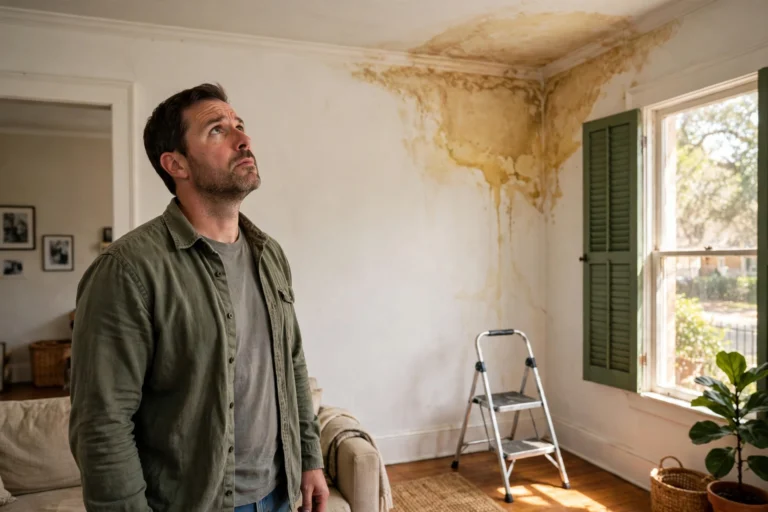
- Stains on the ceiling below the kitchen, if the kitchen sits over another room.
- Water that appears after every wash cycle and then dries out — that pattern points to an intermittent leak, such as a failing door seal or a loose drain connection.
Run a simple check once a month: open the sink cabinet, look at the floor of it with a flashlight, and press the flooring in front of the dishwasher with your foot. If it gives more than the floor around it, water has been getting underneath.
What should I do first if my dishwasher is leaking?
Work through these steps in order, and do not skip the safety ones.
- Stop the dishwasher. Turn it off and do not run another cycle. Every cycle adds more water to the problem.
- Shut off the water. Close the dishwasher supply valve, usually under the kitchen sink. If you cannot find it or it will not close, shut off the main water valve to the house.
- Cut the power if water is near electrics. If water is spreading toward outlets or the dishwasher’s own electrical connection, switch off the dishwasher’s breaker before you touch anything wet. Do not stand in water to reach the breaker.
- Remove the standing water. Towels, a mop, or a wet/dry vacuum will clear what you can see. Move rugs and anything stored low in nearby cabinets out of the way.
- Photograph everything before you clean up. The leak itself, the wet cabinet floor, the damaged flooring, and any stains. Photos help with the repair and with a water damage insurance claim.
- Do not yank the dishwasher out. If it resists moving, leave it. Pulling it forward can tear a supply line or drain hose and turn a leak into a flood. A technician can disconnect it safely.
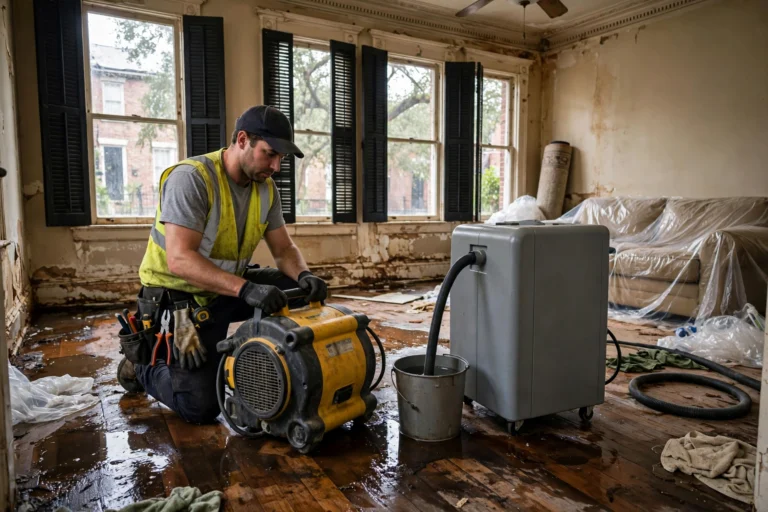
- Start drying, but know its limits. Open the cabinet doors, run fans, and use a dehumidifier if you have one. Fans dry surfaces; they do not dry a soaked subfloor or the inside of a cabinet. If the floor feels soft or the cabinet smells musty, the water has already gone further than you can see.
How do I find where the leak is coming from?
Start with the easy checks, and work from the outside in.

- Run a short cycle while you are home and watch the floor in front of the unit and the cabinet next to it. Note exactly when water appears — at the start of the fill, during the wash, or at the drain stage. Each stage points to a different part.
- Check the door seal. Run a finger along the rubber gasket around the door, especially the bottom corners. Look for cracks, flattened sections, or blackened spots. A seal that no longer springs back is done.
- Look under the sink. The dishwasher supply valve and drain connection live there. Check for drips at the valve, at the supply line nuts, and where the drain hose meets the disposal or the sink drain — run the faucet while you look.
- Check the drain hose loop. The hose should loop up high under the sink before it drops to the drain. A hose that has slipped down can let drain water flow back toward the machine.
- Look for mineral crust. White crust or green staining on fittings and inside the sink cabinet is the footprint of a slow leak that has been evaporating for weeks.
If you cannot find the source, or the leak only appears mid-cycle, stop guessing. A technician can pull the unit safely and a restoration crew can check with a moisture meter how far the water travelled under the floor and inside the cabinets.
How can I prevent a dishwasher leak?
A few minutes a month is enough:

- Inspect the door seal every month. Wipe it clean, look for cracks, and replace it when it stops springing back. A new gasket costs far less than a new floor.
- Check the supply line and hoses once a year. Look for bulges, cracks, or corrosion at the fittings. Braided steel lines last longer than plain rubber ones — ask for them when a line is replaced. Our guide to a washing machine hose burst shows the same failure pattern on another appliance line.
- Do not overload it, and measure the detergent. Overloading blocks the spray arms; too much detergent makes suds that push water past the seal. Use the amount the detergent label states, not a generous pour.
- Run it while you are home. A leak found at the end of a cycle is a small cleanup. A leak that runs through a full cycle while the house is empty is a flooded kitchen. Thanksgiving week is the time this matters most — holiday cooking means the dishwasher runs more often, and a quick check of the floor after each load costs nothing.
- Clean the filter regularly. A clogged filter strains the pump and can push water where it should not go. Rinse it under the tap every few weeks.
- Replace an ageing machine before it fails. A dishwasher past ten years old with a worn seal and original hoses is living on borrowed time. Replacing the hoses and the gasket buys years; ignoring them buys a water damage bill.
When should I call a professional restoration company?
Call a professional when the water has gone beyond the surface:
- The floor feels soft, spongy, or lifted in front of the dishwasher.
- Water reached the subfloor, ran under the cabinets, or soaked through to the ceiling below.
- The cabinet smells musty, or the same damp spot keeps coming back after every cycle.
- The leak ran for hours before anyone noticed it.
- You can see dark staining on the subfloor or inside the cabinet walls.
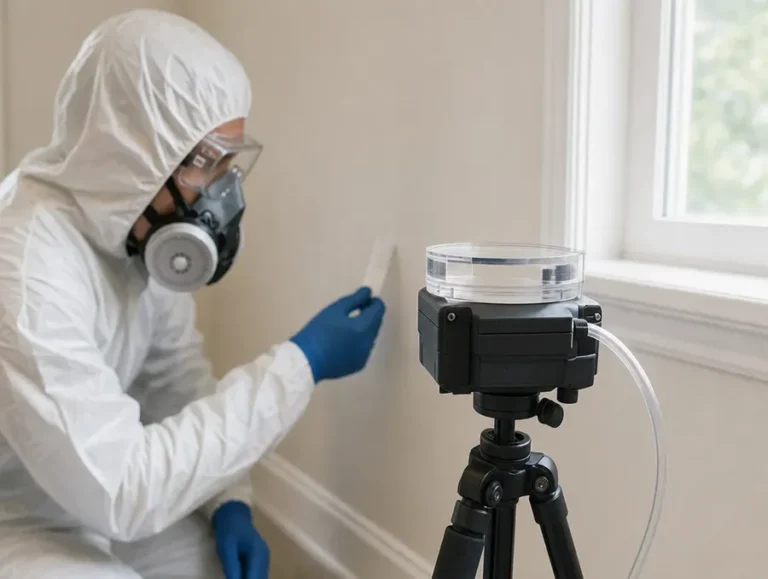
A water damage restoration crew uses moisture meters to map where the water went — under the flooring, inside the cabinets, and into the wall behind the unit — and dries it to a measured standard before anything is closed up. That matters because the US Environmental Protection Agency advises that water-damaged areas should be dried within 24 to 48 hours to prevent mold growth, and hidden moisture in a cabinet or subfloor will not dry on its own. If damp has been sitting unseen, mold remediation may be needed as well. Our guide to the signs of water damage in walls shows what to look for when water has travelled further than the kitchen floor, and the water damage insurance claim guide explains how to document the damage for your insurer.
Frequently asked questions
How do I know if my dishwasher is leaking?
A puddle near the door, a soft or lifted floor in front of the unit, a swollen cabinet toe kick, a musty smell from the sink cabinet, or stains on the ceiling below the kitchen are the clearest signs. Run a cycle while you are home and check the floor afterward — water that appears after every wash points to an intermittent leak such as a failing door seal.
Can I still use my dishwasher if it is leaking?
No. Stop using it and do not run another cycle — every cycle adds more water under the floor and inside the cabinets. Shut off the water supply valve under the sink, cut the power at the breaker if water is near electrics, and get the leak repaired. If the floor feels soft or the cabinet smells musty, have the hidden moisture checked as well.
What causes a dishwasher to leak from the bottom?
The usual causes are a worn door gasket, a cracked or loose supply line, a failing drain hose, a worn pump seal, or a cracked tub. Overloading the machine or using too much detergent can also push water past the door seal. A leak from the bottom is often a slow one, so check the subfloor and cabinet base even if the puddle looks small.
How long does it take for mold to grow after a dishwasher leak?
Mold can start growing within 24 to 48 hours if wet materials stay damp — that is why the US Environmental Protection Agency advises drying water-damaged areas within 24 to 48 hours. A slow leak that soaks a subfloor or cabinet interior for days is a higher risk than a one-off puddle that is dried the same day.
Does homeowners insurance cover a dishwasher leak?
It often covers sudden and accidental water damage, such as a supply line that bursts without warning. It usually does not cover a slow leak that went on for months because of worn seals or poor maintenance. Photograph the leak and the damage before you clean up, keep the failed part if you can, and check your policy — our water damage insurance claim guide walks through the documentation step by step.


One Comment